Engineer Gift Quality Checklist That Holds Up
Partager
A shirt with a clever schematic means nothing if the collar goes limp after three washes, the print cracks across the chest, or the joke reads like it was approved by someone who has never opened a drawing revision. This engineer gift quality checklist is for buying something that earns repeat use, not a polite thank-you followed by permanent residence in the back of a drawer.
The standard is higher when you are buying for an engineer, machinist, quality specialist, or manufacturing lead. They notice tolerances. They compare specifications. They can spot a shortcut from a distance. That does not mean every gift needs a material cert and inspection report. It means the details need to make sense.
Start With the Use Case, Not the Punchline
The best gift is usually the one that fits into an actual week. Is this for a mechanical engineer who lives in CAD reviews, a machinist who needs layers in a cold shop, or a quality engineer who will wear it to a supplier meeting after work? A loud novelty tee can be fun for a birthday. A clean, technically literate design has more mileage when it can survive a casual Friday, a trade show, and a Saturday project.
Think about where the recipient wears apparel now. Someone who already has a rotation of black tees may appreciate a well-built graphic shirt. Someone who spends most days in a plant may get more use from a hoodie. If you do not know their size or preferred fit, avoid guessing based on job title. Engineers are not dimensioned parts, and a gift that fits poorly is still out of spec.
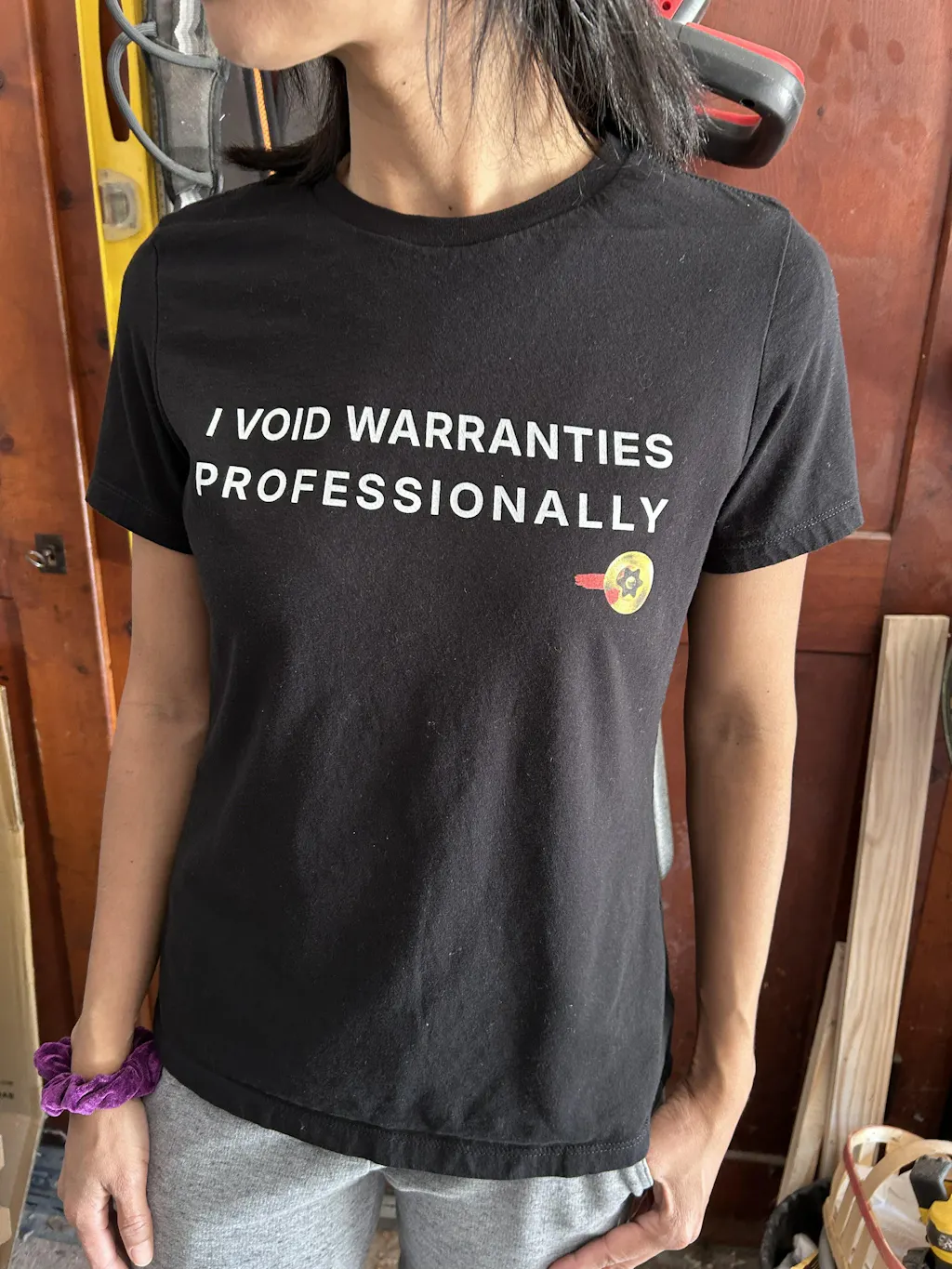
The design should also pass the insider test. Generic equations, random gears, and “trust me, I’m an engineer” slogans are easy. References to root cause analysis, surface finish, CAPA, GD&T, machining, or revision control land differently because they recognize the work rather than the stereotype.
Engineer Gift Quality Checklist: Inspect the Garment
Start with the blank garment. The graphic gets attention first, but the fabric and construction determine whether the piece stays in rotation.
Look for a clear description of fabric composition and garment weight. Cotton-forward shirts are often breathable and familiar, while cotton blends can improve shape retention and dry faster. Neither is automatically better. A heavier shirt can feel substantial and hold its structure, but it may run warm under a jacket or on a crowded shop floor. A lighter shirt is easier to layer, though thin fabric can reveal cheap construction quickly.
Check whether the seller identifies the fit as standard, relaxed, slim, or oversized. This is not copywriting trivia. A recipient who prefers room through the shoulders may hate a trim-cut shirt, even if the design is perfect. A useful size chart should include garment measurements, not only vague labels such as medium or large. If a seller cannot explain fit, fabric, and care, they are asking you to accept too much variation.
Construction deserves a close look as well. Reinforced shoulder taping, a collar that recovers after washing, clean stitching, and a stable side seam are small details with large consequences. You may not see every feature in a product photo, but product descriptions, close-up images, and customer feedback should give you enough evidence to judge whether the garment was selected with care.
For hoodies, inspect the hood shape, drawcord quality, cuff recovery, and pocket attachment. A hoodie that sags at the cuffs or twists after laundering becomes a garage-only layer fast. For women’s tees, do not treat a smaller unisex shirt as a substitute for a considered cut. The shoulder, sleeve, body length, and neckline all change how often it gets worn.
Print Quality Is a Functional Requirement
A detailed design needs edges that stay sharp. Fine text, thin linework, and technical diagrams can look excellent on screen but turn muddy when the printing method or artwork preparation is poor. Look for close product images that show the design at normal viewing distance and up close. If all images are heavily filtered mockups, assume you do not have enough information yet.
Ask a simple question: does the print suit the artwork? Large solid-color graphics need good ink coverage without feeling like a rigid chest plate. Small technical details need clean registration and readable lines. A print should flex with the fabric rather than fail when the wearer reaches for a caliper or loads a fixture.
Care instructions matter here. Heat is usually harder on printed apparel than people expect. A gift made to last should come with straightforward washing guidance, and the recipient should not need a laboratory protocol to keep it presentable. Wash inside out, use cold water when appropriate, and skip high heat if the print calls for it. That is reasonable preventive maintenance, not precious handling.
Check Whether the Design Has Real Shop-Floor Credibility
Engineers have a low tolerance for props. A design built around an industry reference should be accurate enough that the right person recognizes it immediately and the wrong person does not need a glossary.
That does not require every shirt to be serious. Dry humor works because the job already supplies the material: endless corrective actions, the drawing that changed after release, tolerance stack-up arguments, or the phrase “works on my machine.” The key is specificity. The humor should come from lived experience, not a clip-art gear pasted beside a formula.
Consider the recipient’s discipline before you buy. A controls engineer may not care about a milling joke. A machinist may find a generic coding reference irrelevant. A quality professional may enjoy a CAPA design precisely because it acknowledges the paperwork, investigation, and follow-through behind the acronym. Relevance beats broad appeal every time.
This is where a niche apparel maker can justify a higher price than a marketplace novelty listing. Brands such as grabNade build around references from machines, CAD, quality systems, and manufacturing work rather than treating engineering as a costume. Still, verify the actual product details. Niche language is a good start, not a substitute for a decent garment.
Evaluate the Seller Like a Supplier
You do not need to run a formal vendor audit for one birthday gift. But the same instincts are useful. Does the product page answer basic questions before you have to ask them? Can you find fabric content, sizing, care instructions, production details, and a return policy without digging through fine print?
Customer reviews are most helpful when they discuss repeat wear, wash performance, sizing accuracy, and print durability. A five-star review that says “funny shirt” confirms the joke landed. It does not tell you whether the collar stretched or the graphic survived six laundry cycles. Look for evidence that addresses the failure modes you actually care about.
Photos from real customers can help, although they are not perfect. They show drape, scale, color variation, and how a design reads on a person rather than a flat mockup. Treat them as one input. A consistent set of specifications, clear images, and honest policies is stronger evidence than a wall of enthusiastic but vague comments.
Price needs context. The cheapest option can be acceptable for a one-time gag, especially if that is the point of the exchange. But if you want a gift that becomes a favorite work-from-home shirt or shop hoodie, compare the full package: fabric, construction, print detail, fit information, and customer support. A lower price is not a win if replacement is guaranteed after a few washes.
Make the Final Check Before You Order
Before checkout, confirm the size against a garment they already own if possible. Check the delivery window, particularly for holidays, retirements, team gifts, and project milestones. Read the return rules for unworn apparel, because sizing is the most common variable you cannot fully inspect from a product page.
Then ask one final question: would this make sense to the recipient without a speech explaining why it is funny? If yes, you have likely found the right balance of technical recognition and usable quality. The best engineer gift does not ask for admiration. It passes inspection, gets worn, and quietly becomes part of the standard rotation.