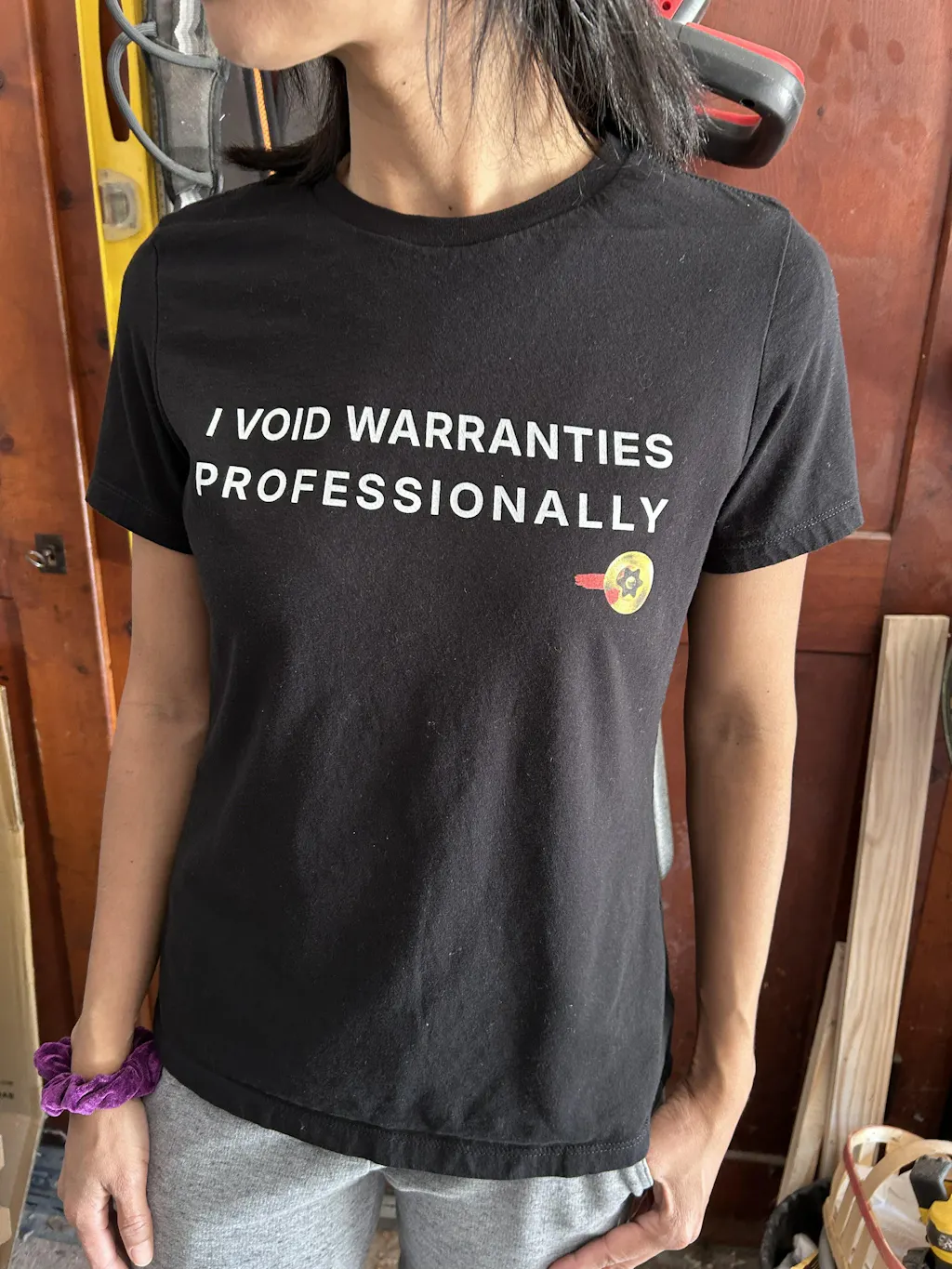
Engineer Shirt Materials Explained for Real Work
Share
A shirt can have the perfect root cause analysis reference and still end up demoted to the bottom of the drawer after three washes. That is why engineer shirt materials explained is more than a fabric-spec exercise. The material determines whether a shirt feels right through a long CAD session, survives a Saturday in the shop, and keeps its shape after the laundry cycle gets treated like an uncontrolled process.
For engineers, machinists, quality people, and anyone who has spent time around actual production, the right answer is rarely just “100% cotton.” Fiber content matters, but so do yarn quality, fabric weight, knit construction, shrink behavior, and how the graphic is applied. A good shirt is a system. One weak input can make the whole thing annoying.
Engineer Shirt Materials Explained: Start With the Fiber
Cotton is the default for good reason. It is breathable, comfortable against skin, and generally handles heat better than synthetic-heavy fabrics. It also gives a printed design a familiar, matte finish that feels appropriate for technical apparel. A shirt with a subtle machining reference should look intentional, not like promotional swag from a trade show booth.
But cotton is not one uniform material callout. Basic carded cotton can feel rougher, pill sooner, and lose its shape faster than ring-spun cotton. Ring-spun cotton uses fibers that have been twisted and refined into a smoother, stronger yarn. The result is usually a softer hand feel and a cleaner surface for printing. It is not magic, but it is a meaningful upgrade when you wear the shirt often.
Combed ring-spun cotton goes another step further. Shorter fibers are removed during combing, leaving longer, more consistent fibers in the yarn. That typically means a smoother, softer shirt with less fuzz on the surface. For a tee you want to wear outside the shop as well as inside it, that refinement matters.
100% Cotton: The Daily Driver
A well-made 100% cotton tee is the sensible choice for most people. It breathes well, works across seasons, and has enough structure to avoid the clingy feel some synthetic shirts develop by lunchtime. It is particularly useful when the workday includes heat, movement, or a commute that does not involve climate-controlled lab conditions.
The trade-off is shrinkage. Cotton can shrink, especially if it is not pre-shrunk and gets hit with high dryer heat. Even pre-shrunk shirts may move a little over time because fabric is not a dimensionally stable billet. If fit is critical, wash cool and dry low. Treating every tee like a shop rag is a valid lifestyle choice, but it has consequences.
Cotton also absorbs moisture rather than moving it away from the body. That is comfortable for ordinary wear, but less ideal if you are sweating through a summer shift, moving material, or spending the day on a factory floor without much air circulation.
Cotton-Poly Blends: Better Recovery, Different Feel
Cotton-polyester blends commonly use ratios such as 60/40 or 50/50. Polyester adds durability, wrinkle resistance, and better shape retention. It dries faster than cotton and often holds color well after repeated washing. For a shirt that gets packed for travel, thrown in a gym bag, or worn under a hoodie, that recovery is useful.
The compromise is feel and heat management. More polyester generally means less of the natural softness and breathability people expect from cotton. Some blends can feel slightly slick, and synthetic fibers may retain odor more readily after hard wear. The outcome depends on the knit and finishing, not just the ratio, but the trade-off is real.
A cotton-poly blend makes sense when low maintenance and durability rank above the classic all-cotton feel. It is not automatically better or worse. It is a different design requirement.
Tri-Blends: Softness First
Tri-blends usually combine cotton, polyester, and rayon. They are light, soft, and broken-in from the first wear. If your preferred shirt has the feel of something you have owned for five years but would like it to survive five more, a tri-blend may be the right material.
That comfort comes with less structure. Tri-blend shirts are often thinner and can fit closer to the body. They are excellent for casual wear, but may not be the first pick for someone who wants a heavier shirt with a crisp silhouette or who works around abrasive surfaces. Think of it as choosing a lightweight part for a specific load case, not declaring it universally superior.
Fabric Weight Is Not a Marketing Filler Spec
Fabric weight is often stated in ounces per square yard, although labels do not always make it easy to find. Lightweight tees tend to land around 3.5 to 4.5 ounces. Midweight shirts commonly sit around 4.5 to 5.5 ounces. Heavier shirts can run 6 ounces or more.
A lightweight shirt is cooler and softer, which is useful in warm climates or layered outfits. The downside is that it can feel less substantial, show wear sooner, and provide less opacity in lighter colors. A midweight shirt is the practical centerline for many engineering wardrobes: enough body to hang cleanly, enough comfort for daily wear, and enough durability to tolerate routine use.
Heavyweight cotton feels more substantial and can take abuse, but it is not always the best call. It can run hot, especially under PPE or during physical work. If your day moves between an office, machine area, and parking lot in August, “built like a tank” is not necessarily a comfort feature.
The Knit, Collar, and Construction Matter Too
Most tees use jersey knit, which provides stretch and a familiar casual feel. The quality difference shows up in the details. A tighter, smoother knit gives printed graphics a cleaner base and usually wears more evenly. A loose knit can feel soft at first but may twist, stretch, or look tired earlier.
Check the collar. A rib-knit collar should recover after being pulled over your head repeatedly. A floppy neckline makes an otherwise good shirt look like it failed incoming inspection. Shoulder taping can also help stabilize the shirt, particularly on garments meant for regular rotation.
Side-seamed construction often produces a more consistent fit than tubular construction, though neither method is automatically disqualifying. Side seams can help a shirt maintain its intended shape and reduce the tendency for the body to twist after washing. The key is execution. Good construction is less about claiming a feature and more about whether the garment still behaves after real use.
Organic Cotton and What It Actually Changes
Organic cotton refers to how the cotton was grown, with standards that restrict certain synthetic pesticides and fertilizers. For buyers who prioritize agricultural inputs and traceability, it is a meaningful option. It can also be every bit as soft and durable as conventional cotton when the yarn and construction are good.
What organic does not guarantee is superior weight, fit, print quality, or lifespan. An organic label is not a substitute for garment specifications. Evaluate it the same way you would evaluate any material decision: look at the fiber content, weight, construction, and care requirements. Documentation is useful. Unsupported assumptions are not.
Print Compatibility Changes the Material Decision
The shirt is only half the assembly. A design needs a fabric surface that supports it. Smooth cotton and cotton-rich blends are generally strong choices for detailed screen prints because they provide a stable, predictable print surface. Fine lines, small type, and technical graphics benefit from that consistency.
Polyester-heavy garments require more attention because dyes can migrate under heat, especially on darker fabrics. That does not make polyester unusable. It means the print process needs to be selected and controlled correctly. Anybody who has watched a nominally simple process develop an unexpected failure mode understands the principle.
A good print should flex with the shirt instead of feeling like a rigid plate on your chest. It should also retain legibility after repeated washes. The material, ink, curing process, and garment prep all affect that result. The graphic may get the compliment, but the process stack earns it.
Care Protocol for Shirts You Actually Want to Keep
Turn printed shirts inside out before washing. Use cold water, a moderate detergent amount, and avoid aggressive bleach unless you are actively trying to accelerate failure. Dry on low heat or hang dry when practical. High dryer heat is efficient at shrinking cotton, stressing prints, and making a decent collar lose its will to live.
Do not iron directly over a printed design. If you need to iron the shirt, turn it inside out or use low heat around the graphic. This is not precious-garment behavior. It is basic preventive maintenance.
The best material is the one that matches the way you will use the shirt. Choose heavyweight cotton if you want substance, cotton-rich blends if you need easy recovery, and tri-blends when all-day softness is the priority. Then follow the care label like it is a controlled document, not a suggestion someone added after the fact.
Designs engineers actually wear
- Mechanical Engineer Definition: solves stealth defects with silent genius
- Root Cause CAPA Approved: here for the root cause, not the excuses
- Zero Meetings Max Output: for protecting deep work
Browse more in Engineer T-Shirts.