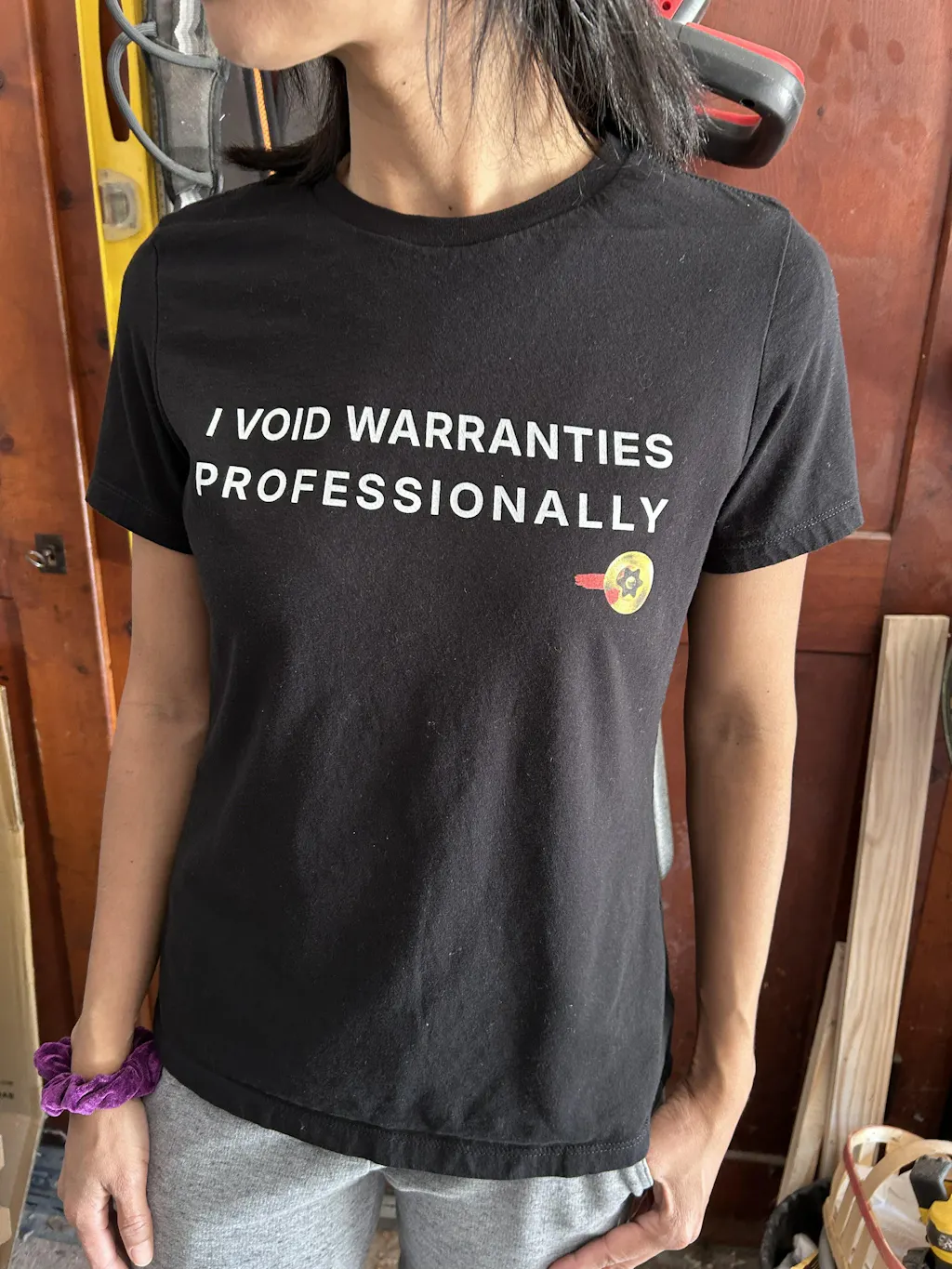
The Engineer's Guide to Workwear Care: Maximizing Technical Apparel Lifespan
Share
The Engineer's Guide to Workwear Care:
Maximizing Technical Apparel Lifespan
Engineers understand that preventative maintenance extends equipment service life—the same engineering principle applies to technical apparel. While most laundry advice relies on tradition, this guide applies data-driven methodology to optimize workwear care and maximize durability.
This technical analysis examines laundry through an engineering lens, providing systematic approaches to cleaning that preserve fabric integrity, maintain appearance, and extend the service life of your professional workwear.
## 01. The Engineering Approach to Laundry
Traditional laundry follows habit; engineering laundry follows data. We analyze variables systematically:
- Material Properties: Fiber composition, weave density, color fastness
- Soil Analysis: Oil, grease, particulates, and their adhesion mechanisms
- Chemical Interactions: Detergent composition and fabric compatibility
- Thermal Dynamics: Temperature effects on cleaning efficacy and fabric stress
- Mechanical Forces: Agitation impact on fabric structure
## 02. Material-Specific Care Protocols
RING-SPUN COTTON WORKWEAR (Bella+Canvas 3001/6400)
| Care Aspect | Standard Practice | Engineering Optimization | Technical Rationale |
|---|---|---|---|
| Temperature | Warm wash (40°C/104°F) | Cold wash (30°C/86°F) | Reduces fiber stress and color bleeding |
| Detergent | Standard detergent | pH-neutral, enzyme-free | Preserves cotton fiber integrity |
| Drying | High heat tumble dry | Low heat or air dry | Minimizes shrinkage and fabric stress |
| Cycle Type | Regular cycle | Gentle/delicate cycle | Reduces mechanical abrasion |
## 03. Chemical Engineering: Detergent Selection
Understanding detergent chemistry is crucial for technical apparel preservation:
Acid-Base Balance
Neutral pH (6.5-7.5) detergents prevent cotton fiber degradation. Avoid alkaline detergents that can weaken fibers over time.
Enzyme Selection
Protease enzymes target protein-based stains (blood, food). Amylase enzymes tackle carbohydrate stains. Match enzyme content to soil type.
Surfactant Action
Surfactants reduce water surface tension, improving soil removal. Opt for biodegradable surfactants that rinse completely.
## 04. Thermal Dynamics Optimization
Temperature management balances cleaning efficacy with fabric preservation:
- Cold Water (30°C/86°F): Ideal for color preservation and energy efficiency
- Warm Water (40°C/104°F): Enhanced cleaning for greasy soils with moderate fabric stress
- Hot Water (60°C/140°F): Reserve for sanitation needs; increases shrinkage risk by 3-5%
## 05. Mechanical Engineering: Washer/Dryer Optimization
LOAD DISTRIBUTION ENGINEERING
Proper load distribution prevents unbalanced stress on garments:
- Optimal Load: 70-80% drum capacity for proper tumbling action
- Weight Distribution: Mix large and small items for balanced loads
- Zipper Management: Close zippers to prevent snagging on other garments
CYCLE SELECTION ALGORITHM
Select cycles based on soil level and fabric sensitivity:
Light Soiling
Cycle: Delicate/Handwash
Spin: Low (600 RPM)
Application: Light office wear
Medium Soiling
Cycle: Normal/Cotton
Spin: Medium (800 RPM)
Application: General workwear
Heavy Soiling
Cycle: Heavy Duty
Spin: High (1000 RPM)
Application: Shop floor, manufacturing
## 06. Stain Removal Engineering
Different stain types require specific chemical approaches:
| Stain Type | Chemical Approach | Application Method | Pre-treatment Time |
|---|---|---|---|
| Oil/Grease | Surfactant-based pre-treatment | Direct application, gentle rubbing | 15-30 minutes |
| Protein (Blood) | Enzymatic cleaner, cold water | Soak, then wash | 30-60 minutes |
| Ink/Chemical | Alcohol-based solvent | Blot, don't rub | Immediate treatment |
## 07. Longevity Optimization Framework
Implement this systematic approach to maximize workwear lifespan:
- Pre-treatment Analysis: Identify stain types and fabric composition
- Process Selection: Choose appropriate cycle, temperature, detergent
- Execution: Load properly, run cycle, monitor results
- Post-process Evaluation: Inspect results, adjust protocol for next cycle
- Continuous Improvement: Document successful approaches for each garment type
Continue Your Technical Education
Ultimate Engineer Workwear Guide
Comprehensive analysis of workwear materials, construction, and selection criteria.
Read Guide →Ring-Spun Cotton Analysis
Technical examination of ring-spun cotton manufacturing and performance characteristics.
Learn More →Workwear Durability Testing
Understanding ASTM standards and testing methodologies for technical apparel.
Explore Testing →Pair proper care with premium technical apparel designed for longevity.
Explore Premium Workwear →