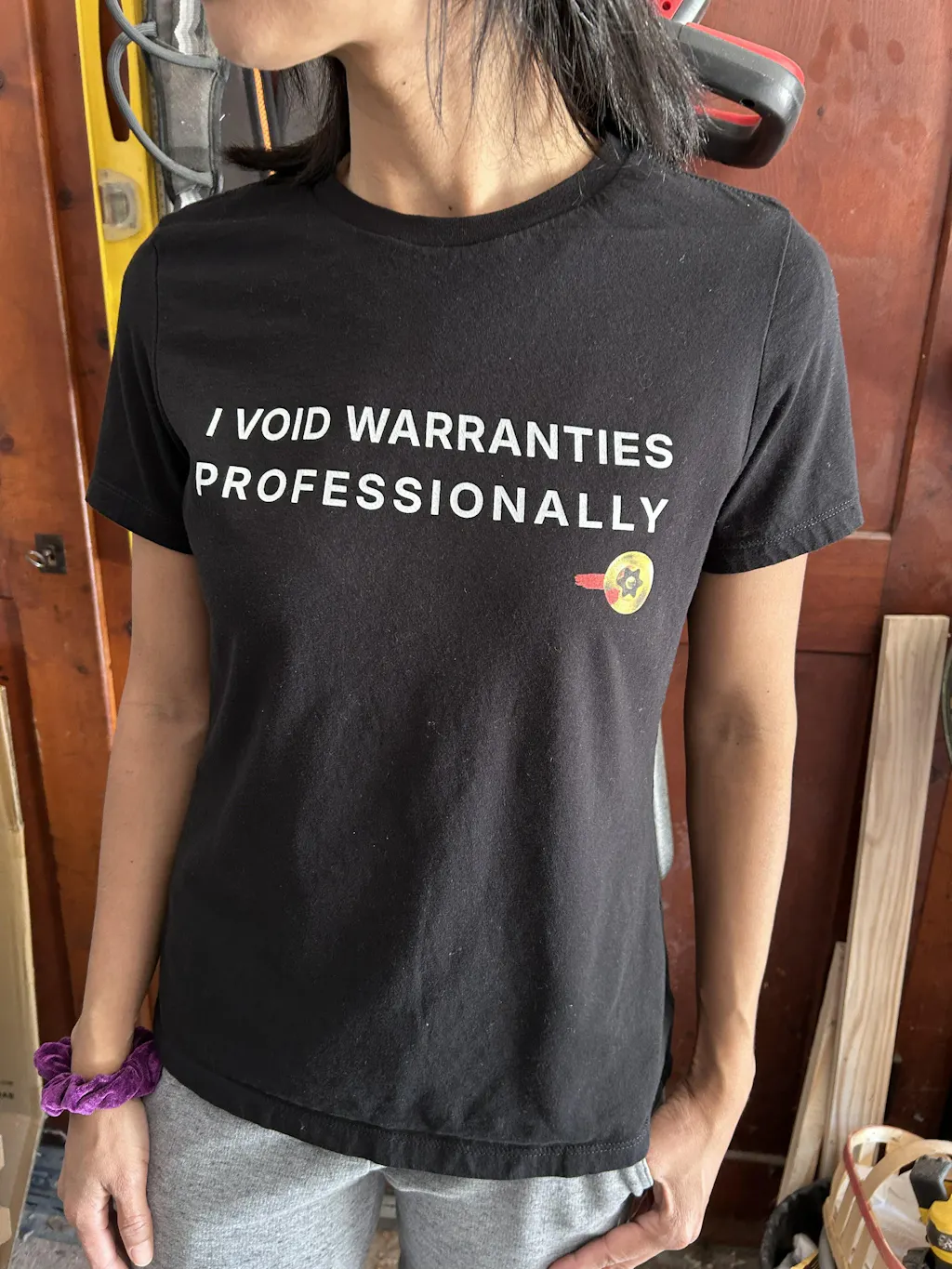
CAPA T Shirt: Who Actually Gets the Joke?
Share
If you’ve ever sat through a CAPA review that should have been solved three meetings ago, a capa t shirt probably makes more sense than most engineer merch on the internet. That is the whole point. CAPA is not a random acronym you slap on fabric and call “STEM humor.” It carries baggage - audits, deviations, containment, root cause debates, overdue actions, and that familiar moment when someone tries to pass off correction as corrective action.
That is why CAPA works on a shirt when it is done right. Not because it is trendy, and definitely not because it is broadly understandable. It works because the people who get it really get it.
Why a CAPA t shirt hits differently
Most profession-themed apparel fails for one simple reason. It is written from the outside. You can spot it immediately: generic gears, lazy puns, slogans that sound like a product manager guessed what machinists and quality engineers talk about at lunch.
A CAPA t shirt is different because the reference is narrower and sharper. It belongs to people who live in systems, nonconformances, investigations, and closure pressure. It speaks to quality engineers, manufacturing engineers, auditors, med device people, aerospace teams, regulated production environments, and anyone who has spent too much time proving the obvious with documentation.
That specificity is the value.
When someone wears a CAPA design, they are not trying to explain engineering to strangers. They are signaling to the right people. It is more of a nod than a punchline. The best niche shirts work like that. They reward experience instead of begging for attention.
The problem with most capa t shirt designs
The phrase “capa t shirt” sounds simple enough, but the execution is where most designs fall apart. CAPA is one of those references that can get corny fast if the design leans too hard into novelty. If every line is shouting a joke, the shirt starts to feel like trade show swag instead of something you would actually wear.
The better approach is restraint.
A solid CAPA design usually does one of three things well. It either plays off the absurdity of bad root cause analysis, captures the culture around containment and closure, or uses the acronym with enough understatement that only the people in the lane will notice. That last option is often the strongest. Engineers do not need every joke highlighted in red with three exclamation points.
There is also a trade-off between accuracy and accessibility. If the reference is too broad, it loses credibility. If it is too deep, even experienced people may need to stare at it for ten seconds before deciding whether it works. Usually the sweet spot is a design that reads clean at a glance but gets better if you have lived through a few investigations.
CAPA is more than quality jargon
Part of what makes CAPA such a durable reference is that it is not just a quality department term. It sits at the collision point between design, manufacturing, supplier issues, documentation, test failures, customer complaints, and process control. In real life, CAPA rarely belongs to one function, even if one team gets stuck managing the paperwork.
That gives the term weight. It means a shirt built around CAPA does not only land with quality specialists. Manufacturing engineers, process engineers, machinists in controlled environments, validation people, and R&D teams all recognize the pattern. Something drifted. Something failed. Someone found evidence. Now everyone is in a room discussing root cause with varying levels of honesty.
That shared experience is exactly why the concept works as apparel. It reflects work people actually do, not a watered-down version of technical identity made for mass appeal.
What makes a CAPA shirt worth wearing
The design matters, but garment quality matters too. A good joke printed on a bad blank still ends up as a shop rag or a pajama shirt. For this audience, that is a fast way to lose trust.
Engineers and manufacturing people notice build quality. They may not talk about drape and hand feel like fashion brands do, but they do notice fabric weight, print clarity, collar shape, shrink behavior, and whether the shirt still fits after a few wash cycles. If the graphic is smart but the garment feels cheap, the product misses the mark.
A CAPA shirt worth buying should feel like someone cared about the same things the wearer cares about at work: specification, consistency, and finishing details. Clean print registration. Stable fabric. Solid construction. Not overbuilt for the sake of marketing, just properly made.
That is also why subtle design usually ages better than oversized novelty graphics. A cleaner layout gives the shirt more range. You can wear it in the shop, on a casual Friday, at a supplier visit where people have a sense of humor, or while grabbing dinner after a long day of trying to close actions before the audit hits.
Who buys a CAPA t shirt?
There are two obvious groups.
The first is the person buying for themselves because the reference is dead-on. That buyer has probably seen enough weak engineer apparel to be skeptical. They are not looking for “funny work shirt.” They are looking for something that sounds like their world.
The second is the gift buyer trying to get it right. This is where niche apparel either wins big or fails completely. A generic “engineer gift” is safe but forgettable. A CAPA t shirt, on the other hand, feels specific. It says the buyer paid attention to what the person actually does.
That specificity can make it a strong gift for quality engineers, compliance-heavy manufacturing teams, validation specialists, and anyone in regulated production. The only caution is role fit. If the recipient has never touched a corrective action system and would not recognize the acronym outside a chart, the shirt may be too inside-baseball. For the right person, though, that is exactly why it works.
Why insider apparel beats generic STEM merch
There is a reason generic STEM shirts tend to blur together. They are built for the widest possible audience, which means they sand off the interesting parts. You get a gear icon, some math symbols, maybe a slogan about coffee and problem-solving, and that is about it.
The issue is not that broad designs are always bad. It is that they rarely say anything true.
Insider apparel has a different job. It is not trying to introduce technical culture to the public. It is trying to reflect it accurately back to the people inside it. That requires better judgment. You need to know which references are overdone, which ones still feel fresh, and which details will instantly tell the audience whether the design came from lived experience or keyword research.
That is where brands like grabNade have an advantage when they stay disciplined. If the design comes from someone who has actually spent years around machines, CAD, quality systems, and manufacturing pressure, the difference shows. The humor is tighter. The references are cleaner. The product feels like it belongs to the trade instead of orbiting it.
Choosing the right CAPA shirt for real-world wear
If you are considering a CAPA shirt, start with the design language. Ask whether it feels like something a real quality engineer, manufacturing engineer, or technical lead would wear outside a forced team event. If the answer is no, move on.
Then look at how hard the joke is trying. Good technical humor usually trusts the audience. It does not overexplain itself. If the design reads like a caption under a meme, it probably will not have much life beyond the first laugh.
Finally, pay attention to the shirt itself. Fabric blend, fit, print durability, and construction all matter more than people admit. Technical audiences are not hard to please, but they are quick to notice when a product feels sloppy.
A good CAPA shirt should feel the same way a good investigation feels once it is finally done right - clear, specific, and built on something real.
That is probably the best filter for any niche workwear-inspired design. If it sounds like your world and holds up like it respects your standards, it earns a place in the rotation. If not, it is just another corrective action waiting to happen.