Are Heavyweight Shirts Worth It for Engineers?
Teilen
A thin T-shirt has a way of announcing its failure early. The collar waves after a few washes, the fabric twists, and a good print starts feeling like it was applied to a shop rag. So, are heavyweight shirts worth it? For engineers, machinists, and anyone who expects their clothes to meet a basic service life, often yes. But fabric weight is not a magic quality stamp. It is one line on the drawing, not the whole assembly.
Are Heavyweight Shirts Worth It at Work?
A heavyweight shirt is usually made from a higher fabric weight than a standard retail tee. That added mass gives the garment more body, better opacity, and a more substantial hand feel. It tends to sit off the torso instead of clinging to every angle of your posture while you are leaning over a fixture, a keyboard, or a half-finished root cause analysis.
For technical workwear that still needs to look presentable after a shift, the benefit is straightforward: heavyweight fabric holds its shape better. A properly made shirt has enough structure to look intentional under a hoodie, on a video call, or during the walk from the production floor to the conference room.
That does not mean every heavy shirt belongs in every work environment. If you spend July in an unconditioned fabrication shop, a dense cotton tee can become a poor thermal-management decision. If your work involves welding, machining coolant, solvents, or snag hazards, garment weight is also secondary to the actual safety requirements for the job. A heavier casual shirt is not personal protective equipment. Treat it accordingly.
What “Heavyweight” Actually Means
Fabric weight is commonly measured in ounces per square yard or grams per square meter, also called GSM. There is no universal cutoff, because brands use the term freely, but a useful working range looks like this: standard tees often land around 4 to 5 ounces, while heavyweight cotton shirts commonly start around 6 ounces and can run well above 7 ounces.
More ounces do not automatically mean better construction. A 7-ounce shirt made with short-staple yarn, loose knitting, weak ribbing, and poor shrink control can still disappoint. It may feel impressive on day one and look exhausted after a handful of laundry cycles.
The better question is not simply, “How heavy is it?” Ask what the extra weight is doing. Is the knit dense and even? Does the collar have recovery? Are the shoulder seams stable? Has the garment been pre-shrunk? Does the shirt stay square after washing, or does it torque into a subtle spiral that makes the side seam migrate toward your ribs?
Those details are the apparel equivalent of checking the tolerance stack instead of admiring one oversized feature on a spec sheet.
The Benefits You Can Actually Feel
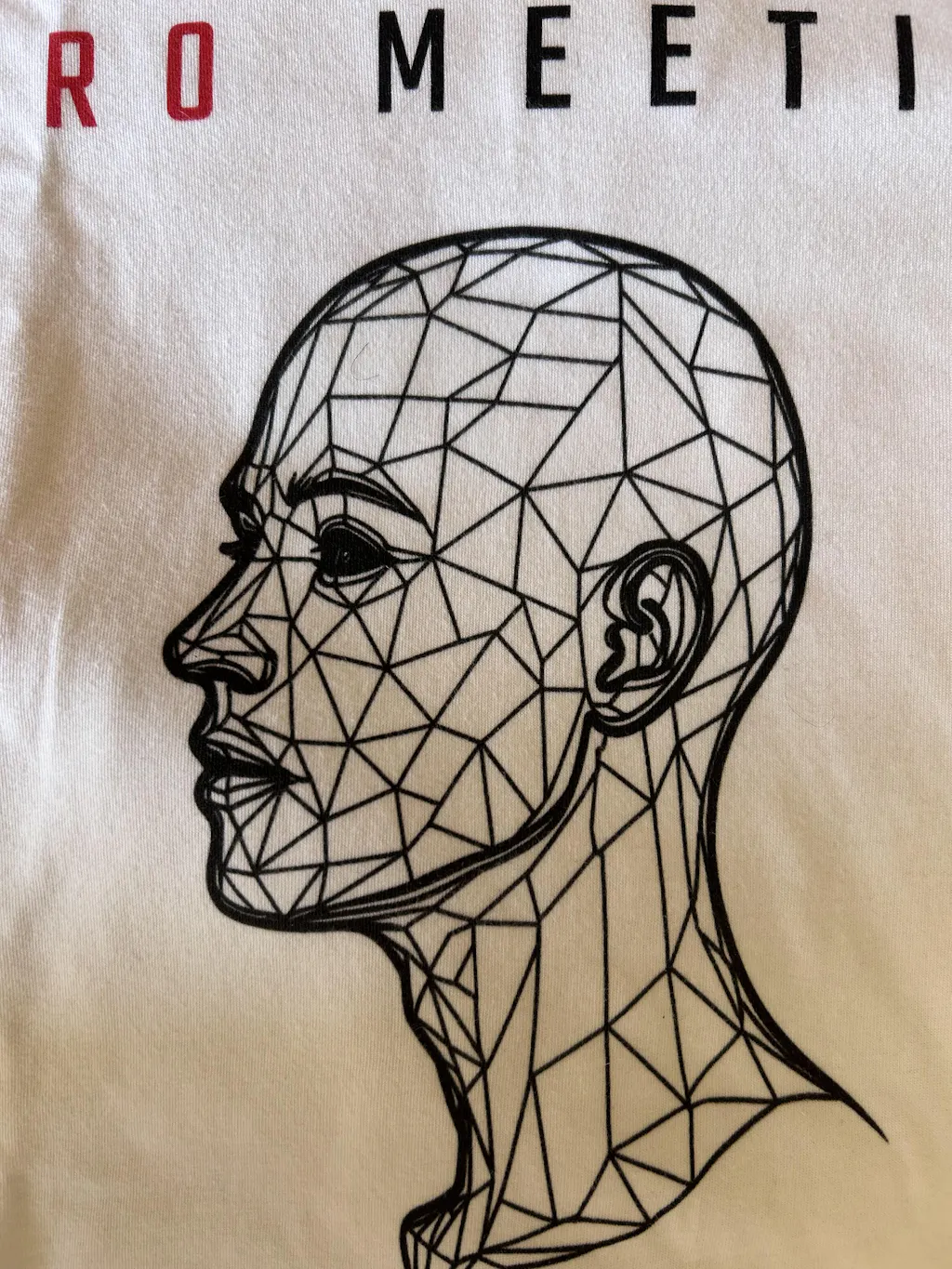
The first difference is structure. Heavyweight fabric drapes with more authority, which helps a shirt look less disposable. It is especially useful for graphic apparel with technical designs, where the garment needs to support the artwork rather than turn it into a stretched, wrinkled billboard.
Opacity is another practical benefit. Light-colored heavyweight shirts usually provide better coverage, which matters if you prefer a clean, professional fit without layering a second shirt underneath. The thicker knit can also make the shirt feel more protective against cool air in a plant, lab, or office that treats 68 degrees as a design requirement.
Then there is durability. A heavier fabric generally has more material to resist abrasion, repeated laundering, and the minor abuse of normal workday wear. That does not make it indestructible. Cuffs can still stretch, prints can still crack if overheated, and cotton can still shrink if you run it hot. But all else being equal, a denser tee has more margin before it starts looking thin and tired.
For profession-specific graphics, heavier blanks can also improve print presentation. The surface is often more stable, so fine lines, small text, and restrained design elements read cleaner. That matters when the joke is in a CAPA reference or a surface-finish callout. If the print blurs into visual noise, the people who get it will not get it.
The Trade-Offs Are Real
Heavyweight shirts cost more because they use more fabric and often require more deliberate construction. That price increase can be justified when the shirt earns repeat wear. It is less justified if it spends most of its life folded in a drawer because the fit is wrong or the fabric feels like cardboard.
Heat is the obvious trade-off. Dense cotton holds warmth and moisture longer than a lighter shirt or a performance blend. In a climate-controlled office, that may be a feature. In a humid shop, it can be miserable. If you run hot, look for a heavyweight shirt with a breathable knit and a relaxed fit rather than assuming maximum GSM is automatically more comfortable.
Fit changes too. Heavier fabric does not drape like a lightweight tee. It can make a boxier cut feel even boxier, while a slim cut may feel restrictive through the chest and shoulders. Review the garment measurements, not just the size label. The label is nominal. The tape measure is evidence.
There is also a drying-time penalty. Heavy cotton takes longer to dry, especially if you avoid high heat to protect the fabric and print. That is not a deal-breaker, but it matters if your laundry cadence is closer to corrective action than preventive maintenance.
When a Heavyweight Tee Is the Right Call
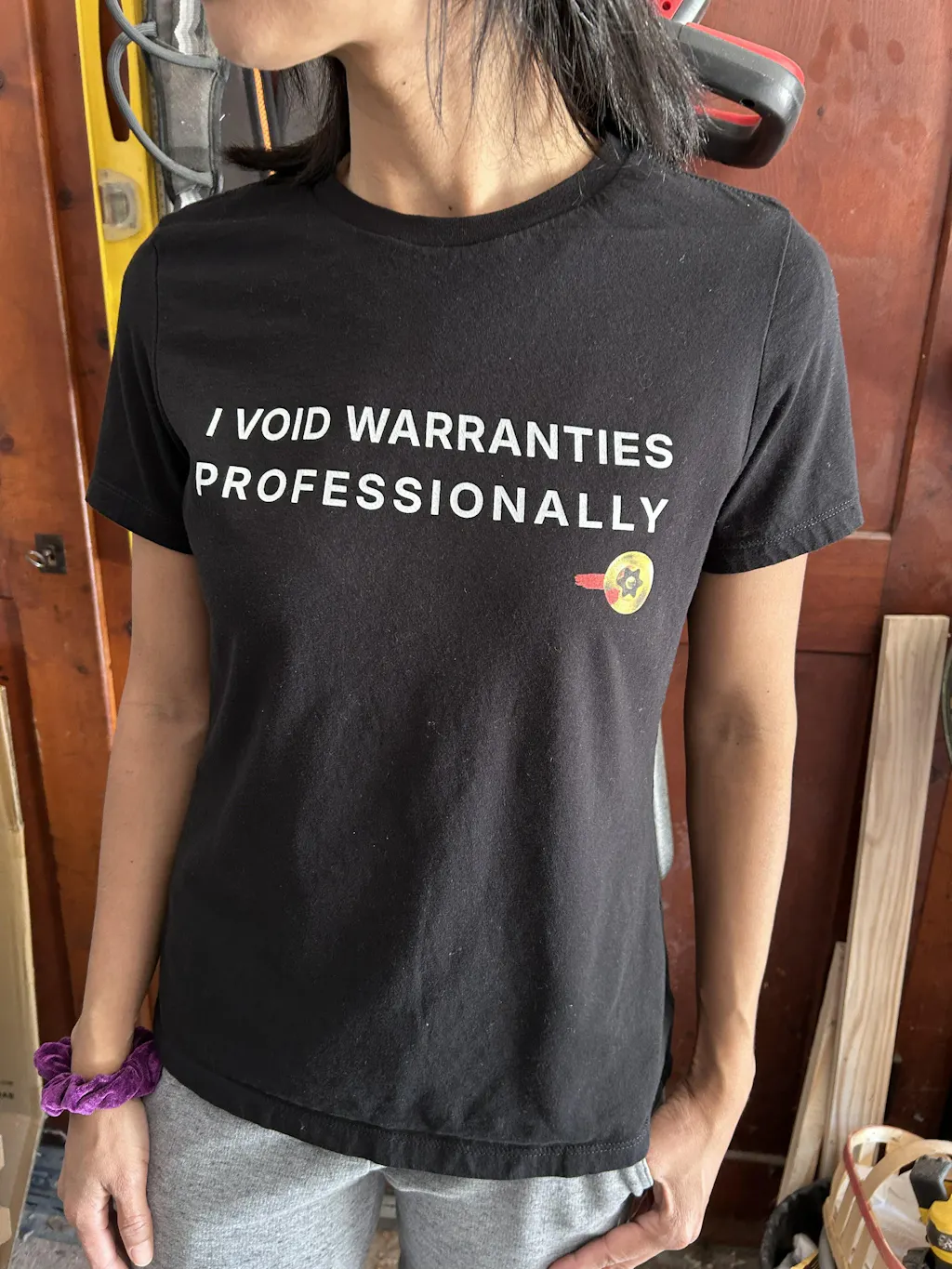
A heavyweight shirt makes the most sense when you want one T-shirt to perform beyond a single casual wear. It is a strong choice for travel, trade shows, shop-adjacent office days, weekend projects, and gifts for people who are tired of novelty apparel that feels thin before the first wash.
It also works well when the design is subtle. A serious graphic on a flimsy blank creates a mismatch. The message may be technically sharp, but the garment signals disposable. A substantial tee supports a more considered design language: something that makes sense to people who have lived through revision control, inspection reports, and the phrase “works on my machine.”
Choose lightweight or midweight instead if you need high breathability, easy layering, or a shirt for physical work in heat. There is no prize for wearing a 7-ounce cotton shirt while moving material in 95-degree weather. Select for the operating environment.
How to Judge Quality Beyond Fabric Weight
Before buying, inspect the specifications with the same healthy skepticism you would apply to an undocumented process change. Look for the fiber content, fabric weight, fit description, and care instructions. A brand that can clearly state those basics is giving you a better starting point than one that only describes a shirt as “premium.”
Pay attention to the collar. A ribbed collar with decent recovery is one of the clearest signs of whether a tee will continue looking good. Check whether the shirt is tubular or side-seamed, whether it is pre-shrunk, and whether the manufacturer mentions reinforced shoulder taping or double-needle stitching. None of these features alone guarantees excellence, but together they tell you the garment was designed for repeat use.
Print method matters as well. The goal is not necessarily the thickest print. It is a print appropriate to the fabric and artwork, with enough flexibility to move with the shirt and enough durability to survive proper laundering. Turn garments inside out, wash cool when possible, and skip the highest dryer setting. The care label is not legal fiction. It is a test procedure written in plain English.
A Better Standard for “Worth It”
Heavyweight shirts are worth it when the added weight solves a problem you actually have: thin fabric, weak shape retention, poor print presentation, or a closet full of shirts that retire before their graphics should. They are not worth it just because “heavyweight” sounds premium.
Think of the purchase as a simple design review. Define the use case, check the material data, account for the environment, and avoid mistaking one impressive specification for total quality. The best shirt is not the heaviest one. It is the one you reach for after fifty washes because it still fits, still reads clearly, and still looks like it was built with some respect for the person wearing it.
Designs engineers actually wear
- Mechanical Engineer Definition: solves stealth defects with silent genius
- Root Cause CAPA Approved: here for the root cause, not the excuses
- Zero Meetings Max Output: for protecting deep work
Browse more in Engineer T-Shirts.