Garment Size Chart Guide for Engineers Who Check Specs
Dela
A size label is not a controlled dimension. A medium from one garment blank can fit like a small from another, while two shirts marked large may differ enough to make one a daily driver and the other a drawer fixture. This garment size chart guide treats apparel sizing the way it should be treated: as a set of measurable inputs, material variables, and fit preferences.
The goal is not to find your universal size. That part does not exist. The goal is to compare the dimensions of a garment you already like with the dimensions listed for the garment you are considering. It is less exciting than guessing from a letter on a tag. It also produces fewer returns.
Garment Size Chart Guide: Start With the Right Reference
The most useful reference is a shirt, hoodie, or women’s tee you already own and actually wear. Not the one that technically fits but lives in the back of the closet. Not the garment purchased during a brief oversized-fit experiment. Pick the item whose fit works when you are at your bench, in a meeting, reaching for a tool cabinet, or sitting through a design review.
Lay it flat on a hard surface, smooth it lightly, and measure it without stretching the fabric. Then compare those numbers with the product size chart. Product charts usually show garment measurements, not body measurements. That distinction matters.
If a tee chart says the chest width is 22 inches, it normally means 22 inches across the garment at the chest when laid flat. The approximate chest circumference is therefore 44 inches. It does not mean the shirt is intended only for someone with a 44-inch body chest. Ease, which is the extra room between your body and the garment, is part of the design.
When a chart uses body measurements instead, it should say so explicitly. Do not assume. The measurement method is the print on the drawing. Read it before approving the part.
The Measurements That Actually Drive Fit
For most T-shirts, chest width and body length do the heavy lifting. For hoodies, add sleeve length and shoulder construction to the review. Women’s tees may use a more shaped cut, so bust, waist, and hip dimensions can all affect the result.
Chest width or pit-to-pit
This is measured straight across the front, roughly one inch below the armholes. Double it to estimate the garment chest circumference. It is the fastest comparison point for tees, sweatshirts, and hoodies.
If your reference shirt measures 21 inches pit-to-pit and you like a regular fit, a listed width around 21 inches is the lowest-risk starting point. Moving to 22 or 23 inches gives you more ease. Moving down to 20 inches may work if you prefer a trim fit or if the fabric has meaningful stretch, but it is no longer a like-for-like match.
Body length
Body length is commonly measured from the high point of the shoulder near the collar down to the hem. This number determines whether a shirt stays put when you lift your arms, sits correctly over a belt, or becomes a crop top by accident.
Length is especially worth checking for taller engineers, anyone with a longer torso, and anyone who has been burned by a shirt that fit perfectly across the chest but stopped too early. A larger size often adds length, but it also adds width. If width is already correct, sizing up just to gain an inch of length is a trade-off, not a fix.
Sleeve and shoulder measurements
Shoulders affect mobility more than many buyers expect. A narrow shoulder measurement can make a shirt feel restrictive across the upper back even when the chest dimension looks acceptable. A dropped shoulder can create a relaxed silhouette without necessarily adding chest circumference.
Sleeve length also changes the perceived fit. A short sleeve that lands higher on the bicep reads more fitted. A longer sleeve with a wider opening feels more relaxed. Neither is automatically better. The right call depends on whether you want a clean, close fit or enough room to survive a long day without feeling packaged for shipment.
Measure the Garment, Not Your Optimism
If you do not have a reference garment, take body measurements with a flexible tape. Measure your chest around the fullest part, keeping the tape level and comfortably snug. For waist and hips, measure where the product chart instructs you to measure. Do not pull the tape tight, hold your breath, or size for a hypothetical version of yourself that only appears after a week of salads.
Then add appropriate ease. A fitted tee might need only a few inches beyond the body chest measurement, depending on fabric stretch and personal preference. A standard unisex tee usually needs more. A hoodie needs more still because it is intended to layer over another garment.
This is why a garment chart is usually more reliable than a generic body-size conversion table. Body measurements tell you where you start. A known-good garment tells you what you will actually wear.
Fit Is a Requirement, Not a Defect
The same measurements can be right for one person and wrong for another because fit preference is not a failure mode. Before choosing a size, decide what the garment needs to do.
A regular-fit tee should move comfortably without looking oversized. It works for most shop-floor, office, and off-hours use. A closer fit has less excess fabric and a cleaner line, but may feel tight through the chest, shoulders, or arms depending on the cut. A relaxed fit has more room through the body and often works better for layering, physical work, or anyone who simply does not want fabric tension in the middle of a 10-hour shift.
For hoodies, account for the layer underneath. If your normal tee size is a large and you plan to wear the hoodie over a T-shirt only, the same size may be correct. If it needs to fit over a heavier shirt, work layer, or collared shirt, compare the hoodie chest width to a hoodie you already use that way. Do not automatically size up because it is a hoodie. Check the data first.
Women’s tees deserve the same attention. A women’s cut can be more contoured at the waist and shorter in overall length than a unisex tee. If you prefer a straighter body, more hip room, or longer coverage, a unisex style may better match your requirements. This is not a question of which fit is more correct. It is a question of geometry.
Fabric Changes the Result
Two garments with identical chart measurements can feel materially different once worn. Fiber content, knit structure, fabric weight, and finishing all matter.
Ring-spun cotton often feels softer and may have a smoother surface than a basic open-end cotton tee. Cotton-rich garments can shrink, especially if exposed to high dryer heat. Polyester blends tend to hold their dimensions more consistently and dry faster, though they can feel different against the skin. Organic cotton follows the same physics as other cotton: it is still cotton, not a waiver from shrinkage.
Pre-shrunk does not mean zero shrinkage under every wash-and-dry cycle. It means the garment has undergone a process intended to reduce later shrinkage. Treat it as reduced risk, not a dimensional guarantee. If a close fit is already at the edge of comfort, repeated high-heat drying can push it over the line.
For the best chance of preserving fit and print quality, wash inside out in cold water and use low heat or air dry. That is not fashion advice. It is basic material preservation.
Read Tolerances Like a Reasonable Person
Apparel is soft goods manufacturing, not precision-ground tooling. A listed measurement is a target dimension, and production tolerances are normal. A small variation between individual garments does not indicate a bad product or a bad chart.
That matters most when you are precisely between sizes. If your preferred reference tee is 21.5 inches wide and one available size is listed at 21 inches while the next is 23 inches, your fit preference should make the decision. Choose 21 if you prefer a closer fit and the fabric or cut supports it. Choose 23 if you want room, plan to layer, or want to minimize shrinkage risk. Expecting a 21-inch listed garment to always arrive at exactly 21.000 inches is not a sizing strategy.
The same logic applies to length. If you are on the boundary, prioritize the measurement that causes the bigger problem when it is wrong. For many people, an extra inch of width is tolerable. A shirt that is too short is not.
A Fast Pre-Order Check
Before adding a garment to the cart, run four checks. First, identify whether the chart shows garment measurements or body measurements. Second, compare chest width and length against a garment you wear often. Third, account for cut, layering, and fabric behavior. Fourth, if you are between sizes, decide whether you would rather have a cleaner fit or more usable room after laundering.
That process takes a few minutes and works across graphic tees, organic cotton shirts, hoodies, and women’s cuts. It also prevents the classic post-delivery finding: excellent design, wrong envelope.
At grabNade, the graphics are built for people who notice when the details are wrong. Apply the same standard to the size chart. Measure the garment you trust, choose the fit you will actually wear, and let the dimensions make the call.
Find your size, then pick a design
- Mechanical Engineer Definition: solves stealth defects with silent genius
- Root Cause CAPA Approved: here for the root cause, not the excuses
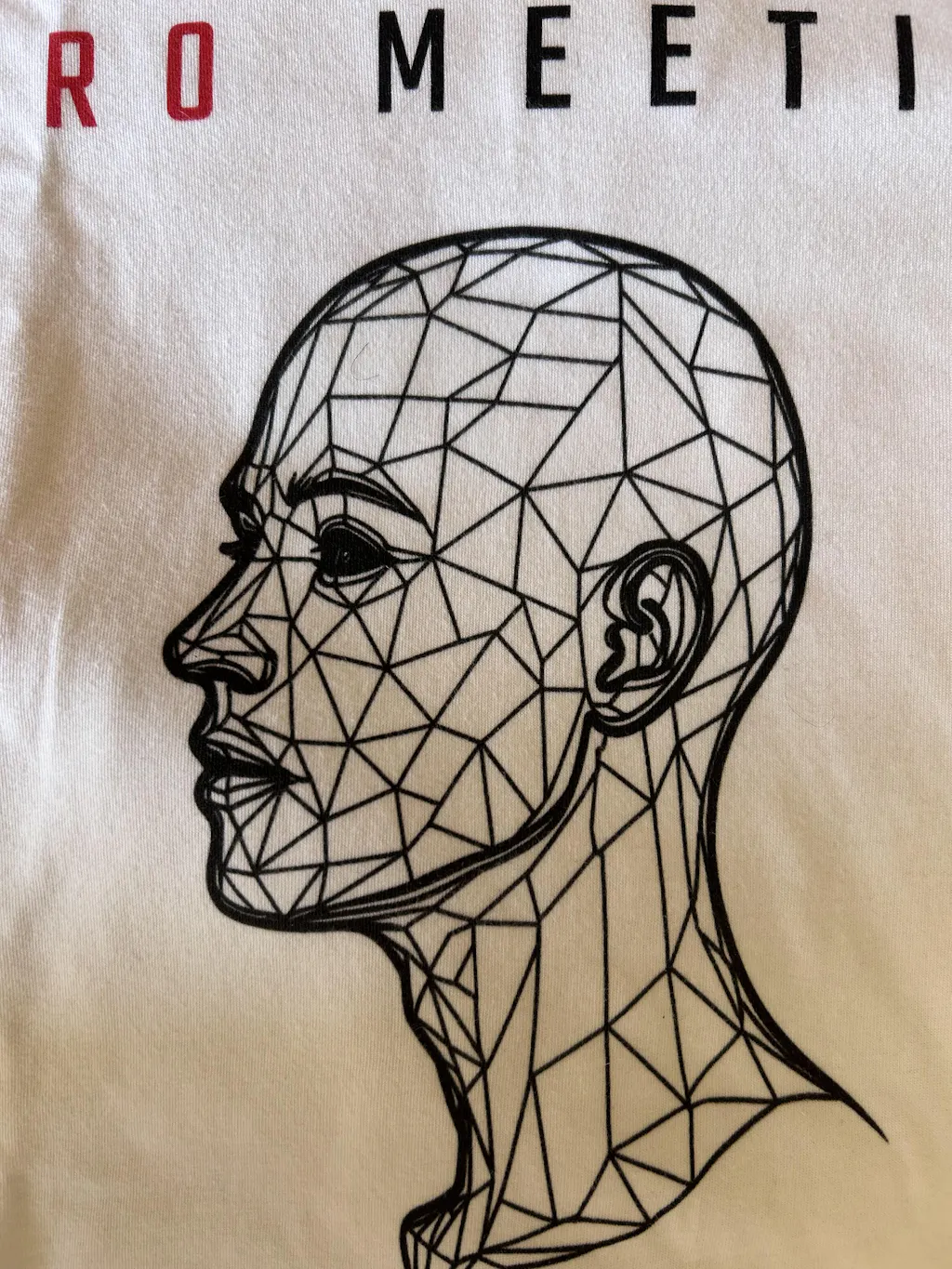
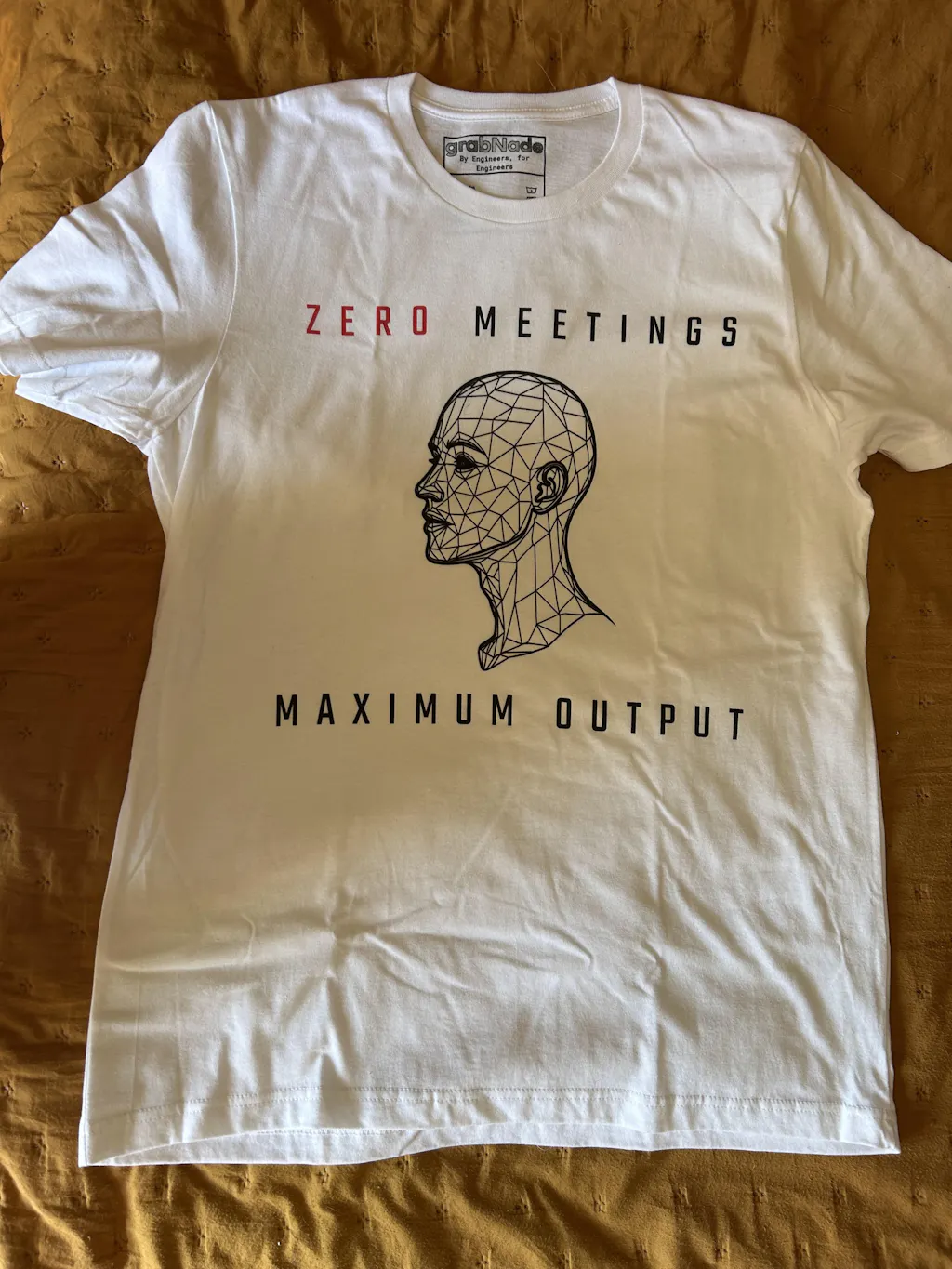
- Zero Meetings Max Output: for protecting deep work
Browse more in Engineer T-Shirts.
Not sure of your size? Find Your Fit walks you through it.