Hållbara grafiska luvtröjor för ingenjörer
Dela
En huvtröja går snabbt sönder på förutsägbara sätt. Muddarna blir slappa, trycket börjar spricka, insidan nopprar sig och passformen blir skev efter några tvättar. Det spelar roll om du vill ha slitstarka grafiska huvtröjor för ingenjörer, inte engångsprodukter med en momentnyckel silhuett tryckt på bröstet.
Ingenjörer och verkstadspersonal lägger märke till konstruktion. Vi lägger märke till toleranser, processavvikelser, dåliga antaganden och billiga genvägar som utger sig för att vara designbeslut. Så när en huvtröja ska representera arbetet, måste den göra mer än att bara ha en smart fras. Den måste överleva verklig användning, behålla sin form och ha tryck som fortfarande är begripliga efter upprepad användning.
Vad som gör grafiska huvtröjor slitstarka
Slitstyrka är inte en egenskap. Det är det kombinerade resultatet av tygets vikt, fiberblandning, stickkvalitet, sömnad, tryckmetod och hur plagget är färdigställt innan det når din garderob. Om någon av dessa är svag, brukar huvtröjan tidigt avslöja sig själv.
Tygets vikt är den första uppenbara signalen, men det är inte hela historien. En tyngre huvtröja känns ofta mer gedigen, och i många fall kommer den att hålla bättre än en tunn promotionströja. Men ett tungt tyg med en lös stickning eller dålig finish kan ändå noppra sig, tappa formen eller kännas grovt efter några tvättar. Mellantunga och tunga tyger har båda sin plats. Om du arbetar i en kall verkstad är en tyngre fleece vettig. Om du lager på lager under en jacka eller rör dig mellan kontor, labb och verkstad, kan en stabil mellantung huvtröja faktiskt hålla längre eftersom den används mer konsekvent och belastas mindre på ett specifikt sätt.
Fiberinnehåll spelar också roll. En bomullsrik huvtröja känns oftast bättre och trycks rent, men ren bomull kan krympa och tappa formen om plagget inte är väl stabiliserat. Blandningar förbättrar ofta formstabiliteten och minskar krympningen, vilket är användbart om du tvättar ofta. Den kompromissen är verklig. Den bästa känslan är inte alltid den bästa långsiktiga dimensionsstabiliteten, och den mest stabila blandningen är inte alltid den med den finaste känslan.
Sedan finns det sömmarna. Ingenjörer bör bry sig om sömmar eftersom sömmar är där dåliga plagg börjar berätta sanningen. Ribbmuddar och midjeband behöver återhämtning. Axelsömmar måste hålla inriktningen. Fickfästningen måste överleva konstant användning, särskilt om din huvtröja blir standardplatsen för handskar, en telefon eller en vikt anteckningsbok. Inget av detta är glamoröst, men det är skillnaden mellan en huvtröja som åldras väl och en som börjar se trött ut efter en månad.
Varför slitstarka grafiska huvtröjor för ingenjörer behöver bättre tryck
Grafiken är oftast det första folk lägger märke till, men tryckmetoden avgör hur länge designen förblir värd att bära. Billiga tryck ser ofta ut att vara högljudda dag ett och sönder dag trettio. Sprickor, flagning, blekning och grov textur signalerar alla samma problem – trycket behandlades som dekoration istället för en del av produkten.
För ingenjörer spelar själva designen också roll på ett annorlunda sätt. Generiska STEM-kläder tenderar att missta igenkänning för relevans. En slumpmässig formel, en kugghjulsikon eller ett skämt om kaffe och matematik är inte insider-språk. Det är bred marknadsutfyllnad. Bra ingenjörskläder använder referenser som är tekniskt kunniga och kulturellt korrekta. Det ska kännas som om det gjordes av någon som faktiskt har hanterat rotorsaksanalys, ytbehandlingsspecifikationer, revisionsbyte, maskininställningar, CAPA-pappersarbete, eller den konstiga tysta tillfredsställelsen av att få en toleranskedja att fungera.
Det är där hållbarhet och trovärdighet korsas. En smart grafik på ett svagt plagg misslyckas ändå med testet. Ett hållbart plagg med ett lat skämt misslyckas också. Poängen är överensstämmelse mellan konstruktion och koncept. Om designen är subtil och branschspecifik, bör huvtröjan byggas enligt samma standard.
Passform är viktigare än de flesta märken medger
Många huvtröjor slits ut socialt innan de slits ut fysiskt. Tyget kanske överlever, men passformen blir obekväm, kroppen vrider sig, eller ärmarna krymper precis tillräckligt för att hela plagget ska kännas fel. När det väl händer slutar det att vara ditt go-to-plagg.
För tekniska yrkesverksamma spelar det roll eftersom huvtröjan ofta måste fungera i blandade miljöer. Du kanske bär den vid en maskin, på ett designkontor, vid ett leverantörsbesök, under resor, eller på en lördag när du gör ärenden. Den kan inte passa som överdimensionerade promo-kläder om det inte är exakt den look du vill ha. Den kan heller inte vara så tajt skuren att lager på lager blir irriterande.
Den mest slitstarka huvtröjan i praktiken är ofta den som används mest upprepade gånger, och upprepad användning kommer oftast från passformen. Om axlarna sitter korrekt, huvan är funktionell utan att vara klumpig, och längden håller sig konsekvent efter tvätt, stannar plagget i rotation. Bara det ökar dess verkliga värde.
Hur man vet om en huvtröja kommer att hålla innan man köper den
Produktfoton berättar inte hela historien, så du måste läsa som en ingenjör som granskar ett ritningspaket. Leta efter specifikationer, inte adjektiv. "Premium" betyder ingenting i sig. Tygets vikt, materialsammansättning, konstruktionsdetaljer och skötselråd betyder något.
Om ett märke är seriöst kommer det vanligtvis att berätta vad plagget är gjort av och hur det förväntas uppföra sig. Du vill ha bevis på att företaget förstår krympning, tryckets hållbarhet och slitmönster. Ett transparent specifikationsspråk är ett gott tecken. Vag livsstilstext är det oftast inte.
Var också uppmärksam på designmetoden. Om varje grafik ser ut som om den gjordes för vem som helst med en miniräknare, säljer märket förmodligen ingenjörskläder på kostymnivå. Om referenserna är specifika utan att vara påtvingade, är det en bättre indikator på att personerna bakom det förstår publiken. Den typen av noggrannhet tenderar att överföras till produktbeslut.
Slitstarka grafiska huvtröjor för ingenjörer i verklig användning
Verklig användning är ingen studiobild. Det är upprepad tvätt, friktion från bilbälten och ryggsäcksremmar, timmar lutandes mot en bänk, uppkavlade ärmar, enstaka spill och klimatväxlingar mellan parkeringsplatser, kontors-AC och tillverkningsvärme. En huvtröja byggd för den miljön måste prestera bortom första intrycket.
Det betyder fleece som inte blir platt för snabbt. Ribbstickning som återhämtar sig istället för att töjas ut. Ett tryck som förblir läsbart och intakt. Det betyder också att plagget inte ska kräva mycket underhåll. Om skötselkraven är så bräckliga att en normal tvättcykel förstör det, är det inte en hållbar produkt. Det är ett plagg för kontrollerat laboratorium som utger sig för att vara vardagskläder.
Det finns också en användningsdelning som är värd att nämna. Vissa ingenjörer vill ha en huvtröja för fritiden, där komfort och design prioriteras. Andra vill ha något de faktiskt kan bära i verkstaden eller laboratoriet. Dessa är inte alltid samma plagg. En mjukare, något lättare huvtröja kan vinna på komfort och ändå hålla bra för allmänt bruk. En tyngre huvtröja kan vara bättre för tuffare miljöer men kännas överdriven för dagligt avslappnat bruk. Det beror på hur du lever i den.
Varför insiderdesign är en del av hållbarheten
Det handlar inte bara om att tyget överlever nötning. Kulturell hållbarhet är också viktig. En huvtröja ska fortfarande kännas rätt om sex månader, inte som ett impulsköp som blev gammalt i samma ögonblick som skämtet tappade sin charm.
Det är därför diskreta, tekniskt flytande grafiker oftast håller längre i en garderob. De är lättare att bära upprepade gånger, lättare att kombinera med vad som helst, och mindre benägna att kännas performativa. Ingenjörer tenderar att föredra saker som belönar igenkänning snarare än kräver uppmärksamhet. En design som är logisk om du har varit där har en längre livslängd än en som bygger på att skrika det uppenbara.
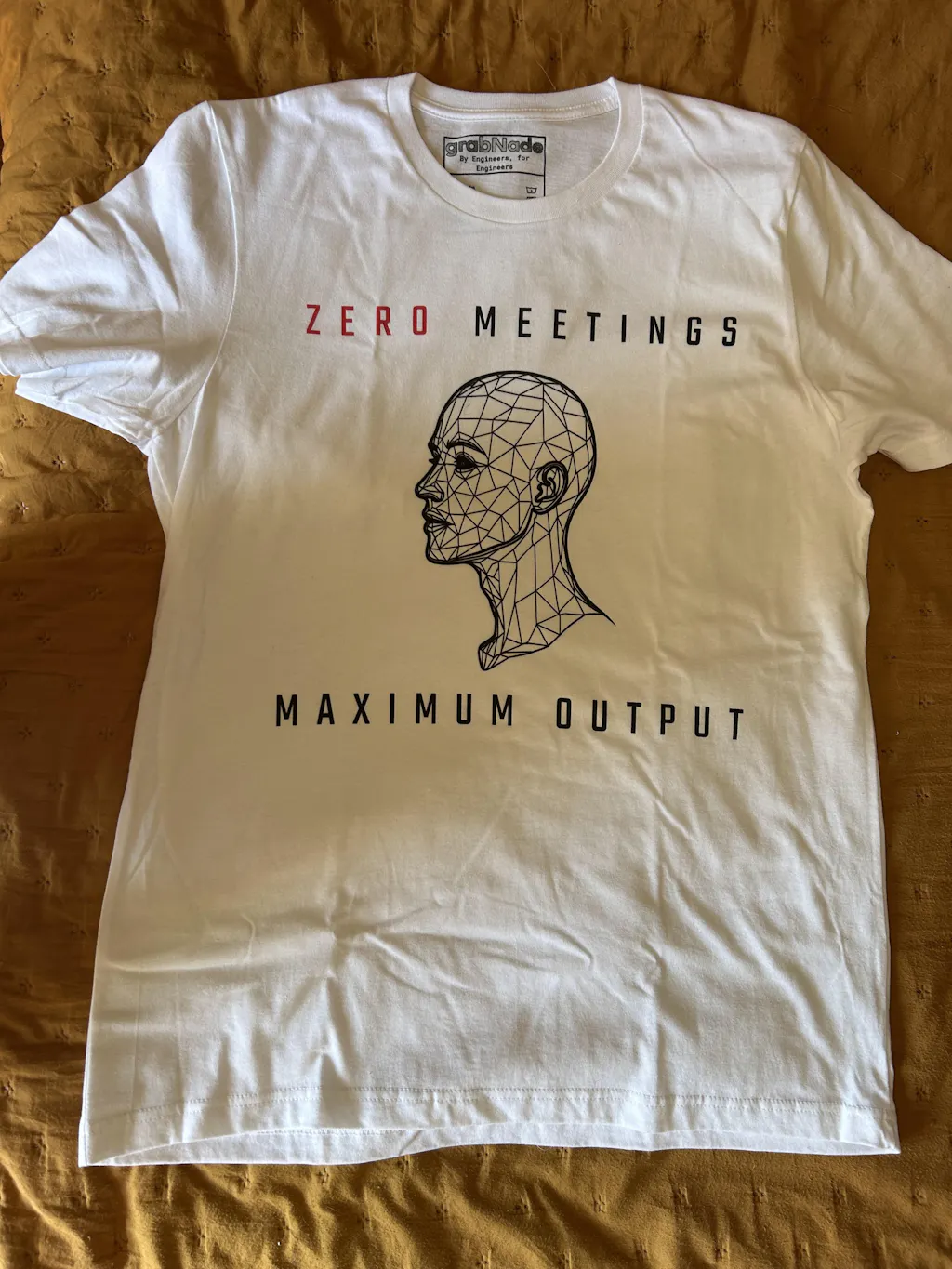
Den filosofin är en del av varför märken som grabNade landar annorlunda hos den här publiken. Tilltalet är inte generisk nörd-signalering. Det är kläder byggda kring faktisk tillverkning, ingenjörskonst och kvalitetskultur av någon som känner till området.
Vad du ska prioritera om du vill ha en huvtröja som används om och om igen
Börja med konstruktionen, sedan tryckkvaliteten, sedan designens relevans. Om själva plagget är svagt, räddar inget annat det. Efter det, se till att grafiken är applicerad på ett sätt som håller för regelbunden tvätt och friktion. Fråga dig sedan om designen fortfarande känns som du när nyhetens behag har lagt sig.
Låt dig inte distraheras av falsk robusthet heller. Inte alla slitstarka huvtröjor behöver vara styva, överkonstruerade eller tunga nog att stå av sig själva. Bra material kan kännas bekväma och ändå hålla. Bra design kan vara subtil och ändå bära en verklig identitet. Målet är inte råstyrka. Det är upprepbar prestanda.
Det är förmodligen den renaste standarden för ingenjörskläder i allmänhet. Om en huvtröja kan överleva slitage, bibehålla passformen, hålla trycket intakt och ändå kännas som om den tillhör någon som faktiskt arbetar inom området, har den gjort sitt jobb. Köp den du kommer att sträcka dig efter efter tvättdagen, inte den som bara ser övertygande ut på produktsidan.