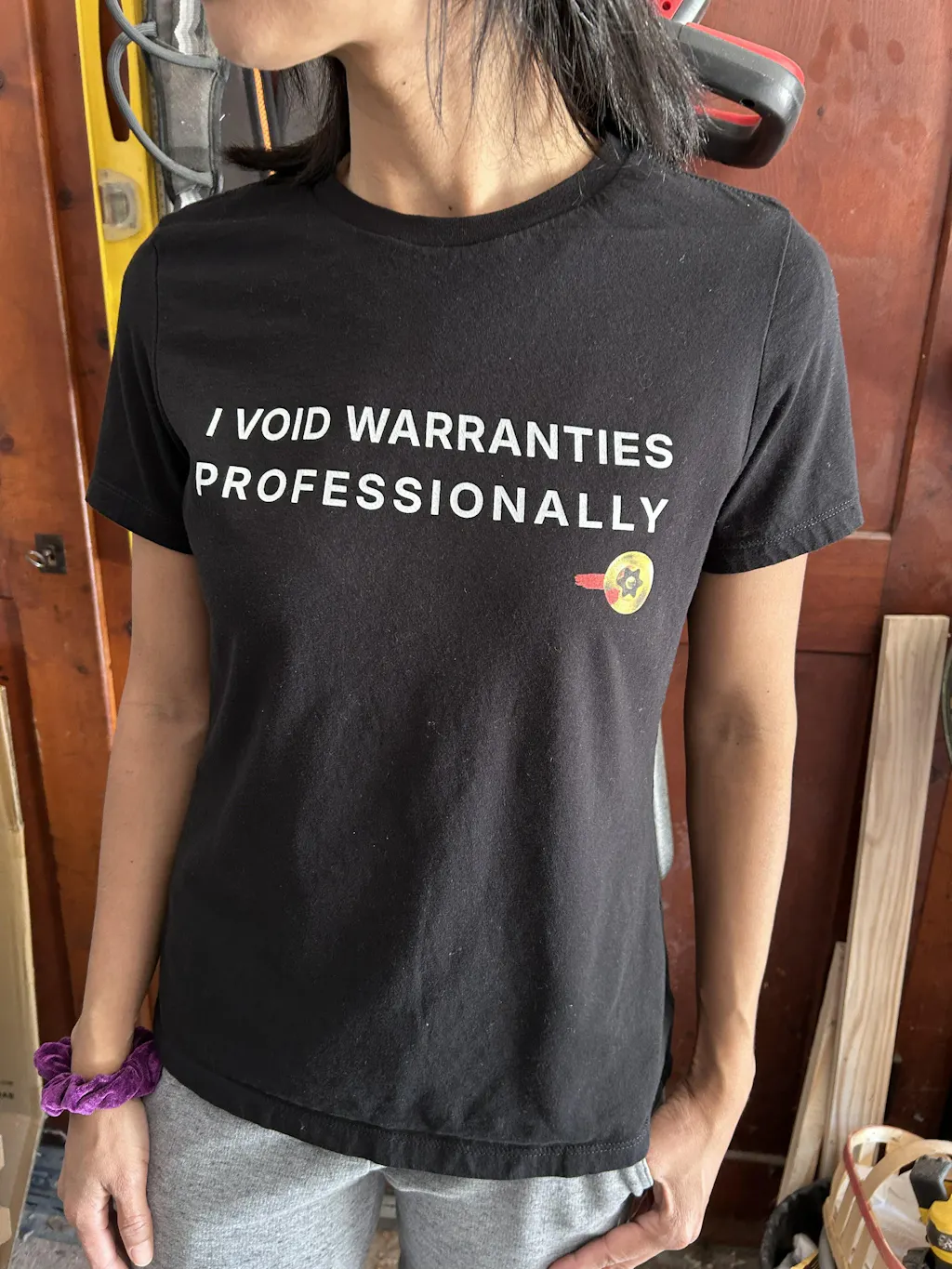
Organic Engineer Shirts That Actually Fit
Share
A lot of engineer merch fails the same basic inspection. The joke is lazy, the fabric is thin, the fit is off, and the whole thing feels like it was made by someone who has never stood next to a machine, opened a CAPA, or spent six hours chasing a tolerance stack. That is why organic engineer shirts are worth a closer look - not because the word organic sounds nice, but because material choice, construction, and design discipline actually matter.
If you wear technical apparel long enough, you start spotting the difference fast. Some shirts are built for search traffic. Others are built for people who care what cotton weight feels like at 2 p.m. on a hot production floor, whether a print stays clean after repeated wash cycles, and whether the graphic says something real instead of broadcasting generic STEM cosplay.
What organic engineer shirts should get right
The first thing to understand is that organic fabric alone does not make a shirt good. It just changes the starting point. Organic cotton can feel softer, cleaner, and more consistent against the skin, and for plenty of buyers that matters. But if the cut is sloppy, the collar goes loose after three washes, or the print cracks early, the fabric story does not save the product.
For engineers, the better question is simple: does the shirt perform as a complete system?
That means the fabric weight needs to make sense for actual wear. Too light, and it can feel flimsy or show wear too quickly. Too heavy, and it turns into a shop rag with a neck hole in July. The fit needs enough structure to avoid the boxy promo-shirt problem, but not so much that it binds through the shoulders when you move. The print needs proper placement, proper curing, and artwork that still looks intentional when the shirt is hanging on a real person instead of a product mockup.
Then there is the cultural side. The best engineer apparel does not try to explain engineering to outsiders. It assumes competence. It uses references that make sense if you have lived the work, whether that is root cause analysis, machining realities, quality headaches, revision churn, or the dead-serious comedy of trying to hold process control together with incomplete information and one broken fixture.
Material matters, but only if the build follows through
Organic cotton is often marketed as the whole story. It is not. It is one input.
A well-made organic shirt can feel noticeably better than a bargain blank. The hand feel is usually smoother, and depending on the knit and finish, it can drape better without feeling slick or synthetic. That makes a difference if you wear tees all day, especially under a flannel, hoodie, or shop coat. It also matters if your skin gets irritated by rougher low-grade cotton.
But comfort has trade-offs. Some ultra-soft organic shirts are great out of the bag and less impressive after repeated laundering if the knit is too delicate. Others have a premium feel but run lighter than expected, which can be perfect for office or design work and less ideal for rougher environments. If you move between desk, lab, floor, and travel, you want a shirt that can handle all four without feeling like a compromise everywhere.
This is where specs matter more than marketing language. Fabric weight, ring-spun construction, pre-shrinking, stitching quality, and print method tell you more than vague claims about sustainability or comfort. Engineers already know this instinctively. You do not validate a part from the headline. You validate it from the details.
Why fit is where most engineer shirts fail
Most bad niche tees have the same fit profile: cheap blank, short sleeves that sit awkwardly, torso that either tents out or shrinks up, and a neck opening that loses discipline almost immediately. It is the apparel version of a rushed ECO.
A good fit does not need to be fashion-forward. It needs to be stable, consistent, and wearable across actual use cases. You should be able to wear it in the shop, on a coffee run, on a video call, or under a zip hoodie without thinking about it. That means shoulder seams that land where they should, a body cut that does not cling or balloon, and enough length to survive a normal workday.
For organic engineer shirts specifically, fit often separates the serious brands from the novelty sellers. Novelty sellers chase the graphic. Better brands build around the garment first. That is the right order. If the base shirt is wrong, no amount of clever artwork fixes it.
The graphic should read like insider language, not a Halloween costume
There is a reason experienced engineers roll their eyes at a lot of mainstream STEM apparel. It treats technical work like a bundle of stereotypes - equations, random gears, robots, sarcasm, and some variation of trust me, I’m an engineer. That is not niche. That is lazy indexing.
The better approach is restraint. The design should feel like it came from someone who knows the work cadence, the terminology, and the specific flavor of frustration that comes with manufacturing, design revisions, quality systems, and machine reality. It can be funny, but the humor should land because it is accurate, not because it is loud.
That is especially true with organic apparel, where buyers often expect a more intentional product overall. If the material says thoughtful and the graphic says gas-station novelty rack, the mismatch shows.
A strong engineer shirt usually does one of three things well. It references a real process or concept with accuracy. It captures a profession-specific truth in understated language. Or it uses visual design that feels clean enough to wear outside a trade show booth.
Organic engineer shirts as gifts
Gift buying is where a lot of people get this category wrong. Friends, spouses, and teams often know the person is an engineer but not what kind of engineer, which is how someone ends up opening a shirt covered in random formulas when they spend their days dealing with GD&T callouts, fixture headaches, or CAPA documentation.
Organic engineer shirts can be a smarter gift choice when the buyer wants something that feels a little more considered. The fabric quality reads better immediately. The shirt feels less disposable. And if the design is profession-specific, it shows the gift was selected with some actual attention.
That said, specificity matters more than the organic label. A quality engineer, machinist, and R&D lead do not all laugh at the same references. Good gift apparel respects that. It does not flatten every technical job into the same generic engineer bucket.
What to check before you buy
If you are comparing options, skip the hype and inspect the basics. Start with garment specs. Look for fabric weight that suits how you actually dress, and pay attention to whether the shirt is described as fitted, retail fit, relaxed, or standard. Those labels are not perfectly standardized, but they tell you whether the brand is at least thinking about cut.
Next, look at the print style. Water-based and discharge prints can feel softer, while heavier plastisol prints can be more durable depending on execution. Neither is automatically better. It depends on the artwork and how the shirt will be used. A subtle chest graphic on a soft organic tee may benefit from a lighter hand. A bolder print may need a different approach to hold sharp detail over time.
Then evaluate the design itself. Is it technically literate, or is it just engineer-adjacent? Does it look like something you would actually wear to a brewery, supplier visit, design review, or team lunch? Or is it only wearable while mowing the lawn? There is nothing wrong with lawn-mowing shirts. Just do not pay premium pricing for one if you wanted an everyday piece.
Finally, check whether the brand sounds like it knows its audience. Real technical brands tend to describe products with the same mindset they would use to describe tools, parts, or process decisions. Less fluff. More specificity. More respect for the buyer.
Why this category keeps growing
The demand for organic engineer shirts is not just about fabric sourcing. It is also a reaction against throwaway merch and fake insider branding. Technical people are tired of apparel that treats their work like a costume. They want gear that feels better, fits better, and says something accurate.
That does not mean every engineer needs an organic tee, or that every organic tee is worth buying. It means standards are going up. Buyers are paying more attention to materials, construction, and cultural accuracy at the same time. That combination is healthy. It pushes brands to make better products instead of louder ones.
At grabNade, that shift makes sense. People who care about tolerances, process capability, root causes, and repeatability were never going to stay loyal to low-effort apparel forever. Once you notice the gap between generic merch and clothing built with actual technical credibility, it is hard to go back.
The useful test is simple. If a shirt gets the fabric right, the fit right, and the reference right, you will keep reaching for it. If it misses any one of those, it becomes drawer inventory. Buy the one that would pass inspection after the novelty wears off.
Organic and certified options
- Kaizen Safe Word hoodie: 80% organic cotton, 20% recycled polyester
- Never Trust A Blueprint hoodie: the eco raglan version
Browse more in Organic Engineer Apparel.