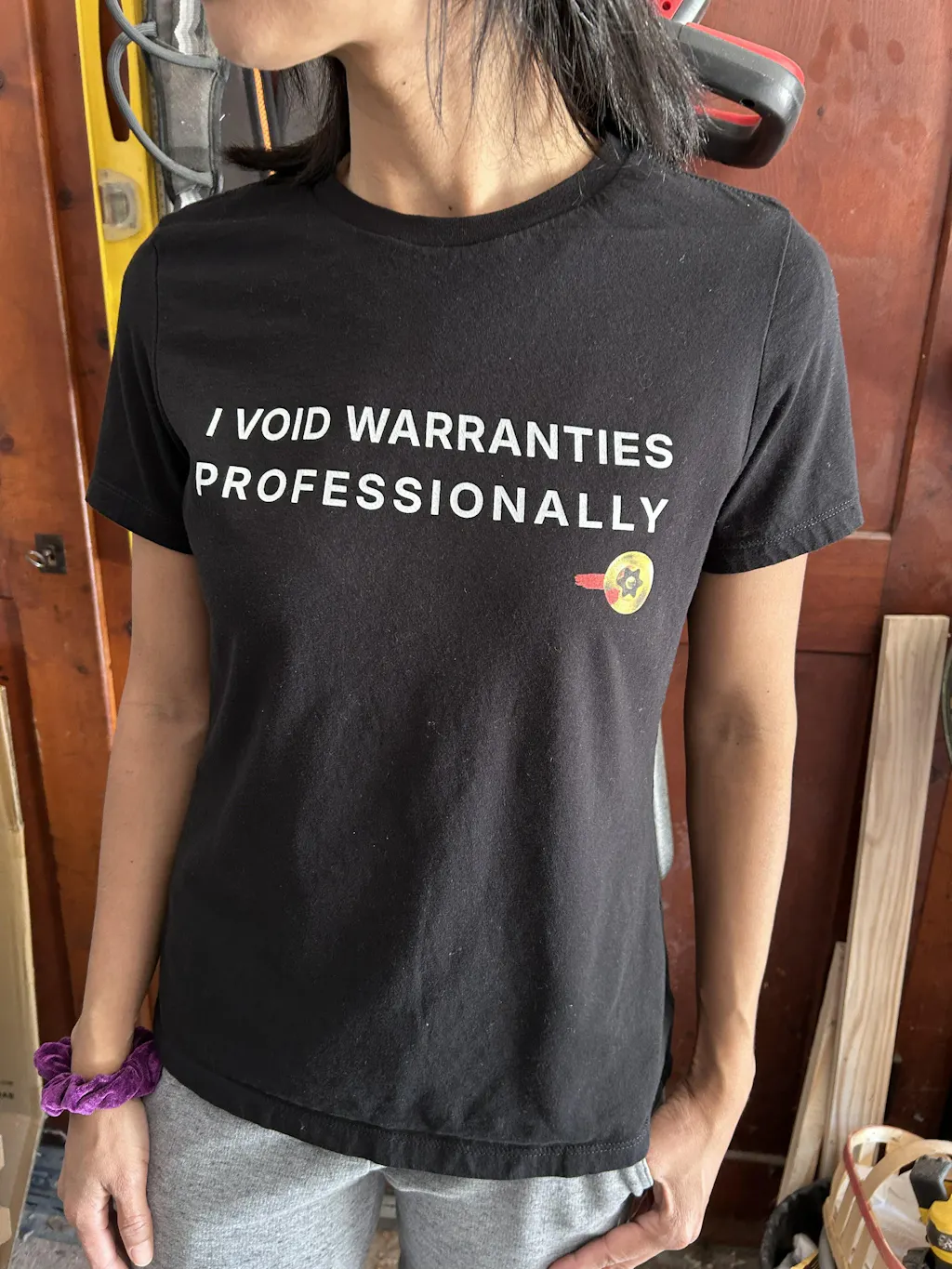
Ultimate Engineer Workwear Guide: Materials, Construction & Selection
Share
The Ultimate Engineer Workwear Guide:
Materials, Construction & Selection
Engineers live by specifications. We focus on material properties, tolerances, and performance standards. When selecting workwear—the interface between our bodies and work environments—applying engineering principles ensures optimal performance and comfort.
This guide examines workwear through an engineering lens, comparing material properties and construction methods to help technical professionals make informed decisions.
## 01. Workwear Requirements for Technical Environments
Different engineering environments present unique challenges for apparel. Understanding these requirements helps select appropriate workwear:
- Abrasion Resistance: Protection against wear from machinery and work surfaces
- Tear Strength: Resistance to damage from sharp edges
- Mobility: Freedom of movement for various tasks
- Comfort: Temperature regulation and wearability during extended use
- Appearance: Professional presentation suitable for technical settings
## 02. Material Properties and Performance
COTTON CONSTRUCTION METHODS
The construction method significantly impacts fabric performance. Different yarn production techniques create distinct material characteristics.
| Property | Carded Cotton Construction | Ring-Spun Cotton Construction |
|---|---|---|
| Fiber Alignment | Random fiber orientation | Parallel fiber alignment |
| Surface Texture | Generally rougher texture | Typically smoother hand feel |
| Durability Potential | Standard durability | Enhanced durability potential |
| Shrinkage Behavior | May experience typical cotton shrinkage | Generally minimal shrinkage |
## 03. Construction Methods Comparison
GARMENT CONSTRUCTION TECHNIQUES
Different construction methods affect garment fit, durability, and appearance.
Tubular Construction
- Cut from continuous fabric tube
- Generally no side seams
- May experience twisting during wear
- Standard sizing approach
Side-Seamed Construction
- Individually cut and sewn panels
- Reinforced side seams
- Typically maintains shape better
- Precise size specifications
## 04. Workwear Selection by Engineering Specialty
MECHANICAL & MANUFACTURING ENGINEERS
Typical Requirements: Durability, mobility, professional appearance
Common Selection: Medium to heavy-weight cotton, relaxed fit
QUALITY ASSURANCE PROFESSIONALS
Typical Requirements: Precision fit, clean appearance
Common Selection: Light to medium-weight cotton, tailored fit
FIELD SERVICE TECHNICIANS
Typical Requirements: Durability, stain resistance, mobility
Common Selection: Cotton-polyester blends, reinforced construction
## 05. Technical Specifications Overview
| Specification Category | Standard Construction | Enhanced Construction | Typical Benefit |
|---|---|---|---|
| Fabric Weight Range | 5.0-5.5 oz/yd² | 6.1-6.5 oz/yd² | Increased substance |
| Yarn Construction | Carded method | Ring-spun method | Enhanced smoothness |
| Seam Construction | Tubular method | Side-seamed method | Improved shape retention |
## 06. Value Considerations for Workwear
When evaluating workwear options, consider both initial cost and long-term value:
- Initial Investment: Higher-quality garments typically have higher initial costs
- Durability: Enhanced construction may provide extended service life
- Professional Impact: Appropriate appearance can support professional image
## 07. Implementation Guidelines
Transitioning to professional workwear involves careful selection:
- Assess Requirements: Evaluate specific environmental and functional needs
- Test Options: Try different constructions and fits
- Consider Usage Patterns: Match garment selection to typical work activities
- Follow Care Instructions: Proper maintenance supports longevity
Continue Your Technical Education
Understanding Fabric Construction
Detailed examination of textile manufacturing methods and characteristics.
Apparel for Technical Environments
Selection guidelines for various engineering specialties and work conditions.
Workwear Care Guidelines
Recommended care practices to maintain garment appearance and performance.
Discover our selection of workwear designed for engineering professionals.
View Apparel Collection →