Women in Manufacturing Apparel That Gets It
Dela
A manufacturing floor can tell you a lot about a company before anyone says a word. Look at the tooling, the work instructions, the inspection setup, and the people doing the work. Women in manufacturing apparel belongs in that same equation. It should acknowledge real technical work without turning its wearer into a marketing category.
That sounds obvious. Yet a surprising amount of apparel aimed at women in technical fields still lands in one of two bins: generic “girl power” merch or watered-down workwear that treats fit as an afterthought. Neither reflects the engineer reviewing a nonconformance, the machinist holding tolerance on a difficult setup, or the quality specialist asking the question nobody else wanted to ask.
The standard should be higher. Not louder. Higher.
Women in Manufacturing Apparel Is Not a Pink Version of Anything
The problem is not that women want clothing with color, personality, or a more considered fit. The problem is the assumption that those things replace technical credibility. A women’s tee with a vague wrench graphic and a motivational slogan may be harmless, but it does not feel specific to someone who knows the difference between a corrective action and a temporary containment.
Manufacturing has its own language. CAD revisions, surface finish callouts, poka-yoke, root cause, first article inspection, machine uptime, and the classic “it worked in the model” moment are not decorative references. They are part of the job. Apparel that uses that language well signals recognition. It says the designer understands the environment, not just the demographic.
That distinction matters because technical professionals are trained to notice when something is superficial. If a design claims shop-floor credibility but gets the reference wrong, it fails the same basic test as a drawing with missing dimensions. The intent may have been good. The output is still not ready for release.
The Fit Problem Is Real, but It Is Not the Whole Problem
Women’s apparel for manufacturing professionals has to be physically wearable. That means a cut that is intentional rather than a standard unisex garment made smaller and labeled differently. Shoulder placement, sleeve length, torso proportion, fabric recovery, and neck opening all affect whether a shirt is one you reach for or one that stays folded at the bottom of a drawer.
For casual professional apparel, comfort carries practical weight. Long shifts, plant walks, supplier visits, customer meetings, and late-night troubleshooting sessions do not leave much patience for a shirt that twists, rides up, or loses shape after three wash cycles. A good garment should hold up to repeated wear without needing a qualification plan to prove it.
Still, fit is only one requirement. A perfectly cut shirt with a generic message misses the cultural point. Conversely, a great technical reference printed on a poor blank will not earn repeat wear. The best women in manufacturing apparel handles both: a fit designed for the wearer and a design written for the work.
There is also a safety boundary worth stating plainly. Casual graphic apparel is not a substitute for required PPE or facility-specific clothing. Loose sleeves, drawstrings, jewelry, and unsuitable fabrics can create real hazards around rotating equipment, welding operations, chemicals, or hot work. The right shirt for a design review may not be the right shirt for the machine. Manufacturing people understand context. Apparel should, too.
Insider Recognition Beats Generic Empowerment
There is nothing wrong with pride in being a woman in a technical field. The issue is that many products make gender the entire joke. That gets old fast, especially for people who want their clothing to reflect what they do, not just the fact that they are statistically underrepresented while doing it.
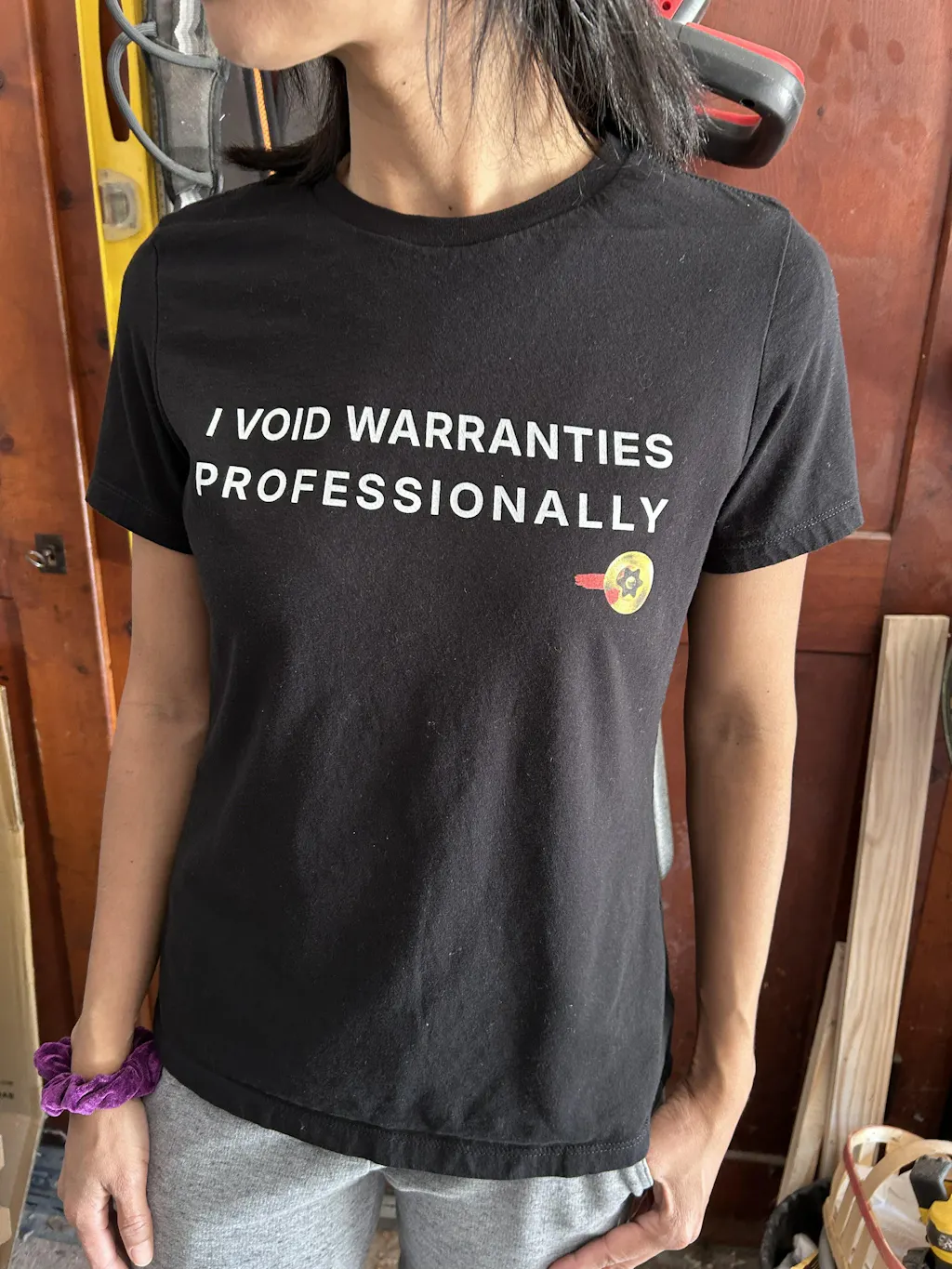
A better approach starts with competence. The best designs can be worn by someone who spent the day analyzing a recurring defect, making a fixture revision, or pushing back on an impossible delivery date. They do not need to announce credentials in six-inch type. A dry line about root cause analysis or a reference to tolerance stack-up can do more than a pile of clichés ever will.
This is not an argument for stripping out personality. Manufacturing culture has plenty of it. The humor is often dry because the work is exacting. Anyone who has watched a minor drawing change create three downstream problems understands why a well-placed joke about revision control lands. The point is specificity. The more a design sounds like it came from a conference-room mood board, the less likely it is to resonate with someone who has actually been there.
Representation Should Not Require a Costume
Some women prefer a fitted tee. Some want a relaxed cut, heavyweight fabric, or an oversized hoodie they can wear after a shift. Some do not want visibly gendered clothing at all. That is not indecision. It is normal variation, and apparel programs should leave room for it.
A useful product range offers options without making assumptions. Women’s-specific cuts should exist because fit matters. Unisex and relaxed silhouettes should exist because preference matters. The design itself should hold its value across those choices because the shared reference is the work, not a costume built around who is wearing it.
That is also why subtle design often wins. A graphic that reads as an insider reference to a manufacturing engineer can be more effective than a loud declaration meant for strangers. It gives the wearer control. They can explain it if they want to, or let it sit there as a quiet signal to the one person in the room who gets it.
What Better Manufacturing Apparel Looks Like
The strongest apparel starts with the same questions used in a competent product review: Who is this for? What conditions will it see? What failure modes should be avoided? What details are non-negotiable?
For women working in manufacturing, the answers usually point to a few practical standards. The garment should have a reliable hand feel and construction that survives regular laundering. The print should remain legible rather than cracking into an unreadable artifact after a season. The design should be technically accurate enough to reward expertise, not merely borrow industrial imagery. And the product information should be clear about materials, sizing, and care, because vague specifications are not confidence-building in any field.
There are trade-offs. Heavier fabric can feel more durable and structured, but it may be too warm for a humid plant or a packed trade show. A fitted cut can look sharp, but a relaxed silhouette can be more comfortable for travel and off-hours wear. Organic cotton may align with a buyer’s material preferences, while a cotton blend may offer different recovery or softness characteristics. There is no universal best choice. There is only honest information and a product designed with an actual use case in mind.
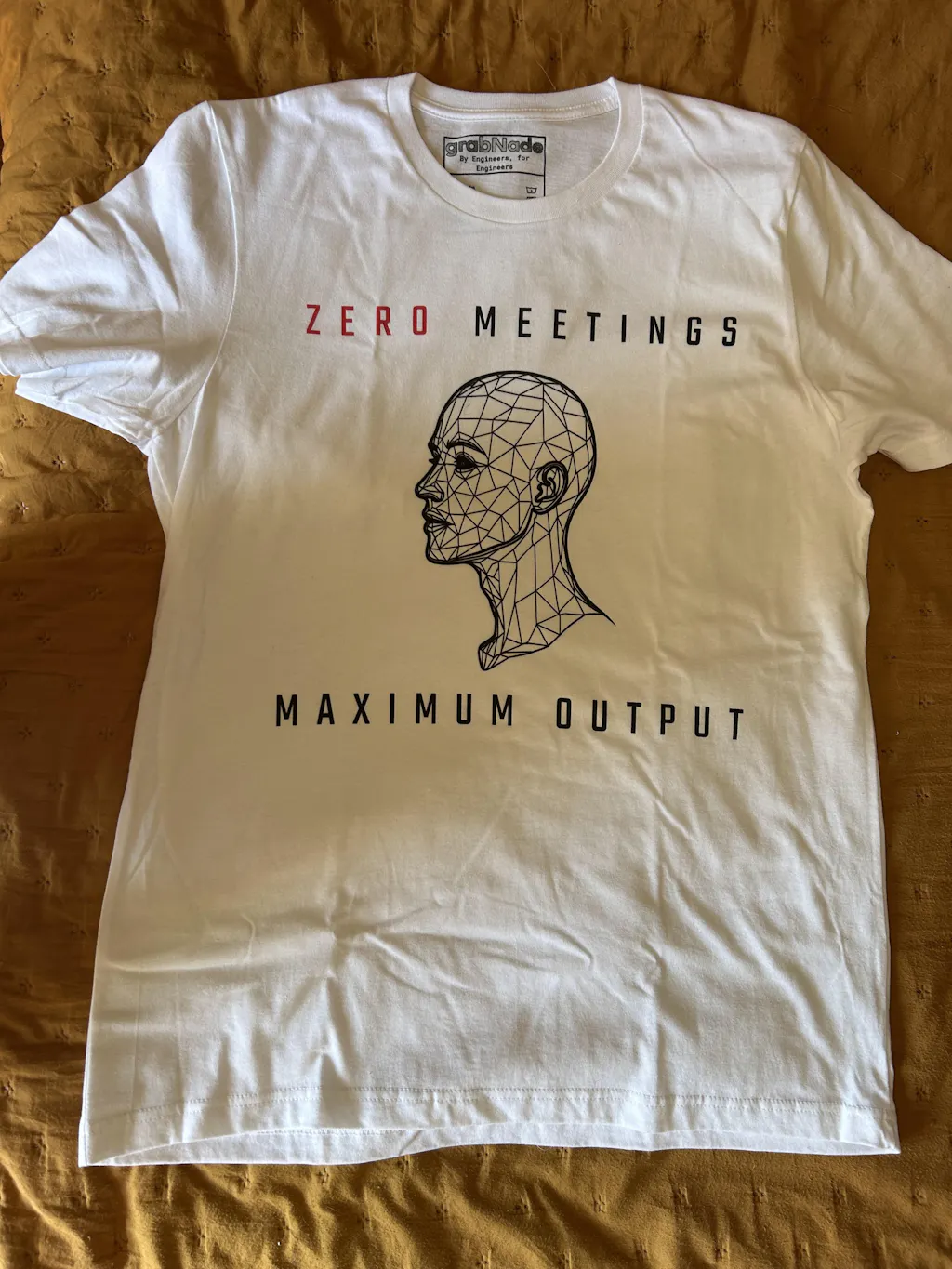
That philosophy is part of why niche apparel works when it is done well. It does not try to appeal to every person who has ever seen a gear icon. It speaks to people who know that the details are the point. At grabNade, that means designs built around the terminology, habits, and occasional absurdity of real engineering and manufacturing work, not generic STEM wallpaper.
Clothing Can Carry Professional Respect
Apparel is not going to solve hiring gaps, promotion inequity, poor plant culture, or the exhaustion of being the only woman in a meeting. It should not pretend to. Those are organizational problems that require better leadership, systems, and accountability.
But clothing can still do something useful. It can make professional identity visible on the wearer’s own terms. It can offer a gift that does not feel like a last-minute search for “female engineer shirt.” It can create a small moment of recognition between people who understand why a CAPA reference is funny, or why a clean drawing revision feels like a minor miracle.
Women in manufacturing do not need novelty apparel that explains their presence. They need options with the same things every technically minded buyer values: accurate references, useful construction, transparent specs, and respect for the work. Make the shirt good enough that it earns a place in the rotation. The message will take care of itself.