Why Engineers Prefer Subtle Shirts at Work
Teilen
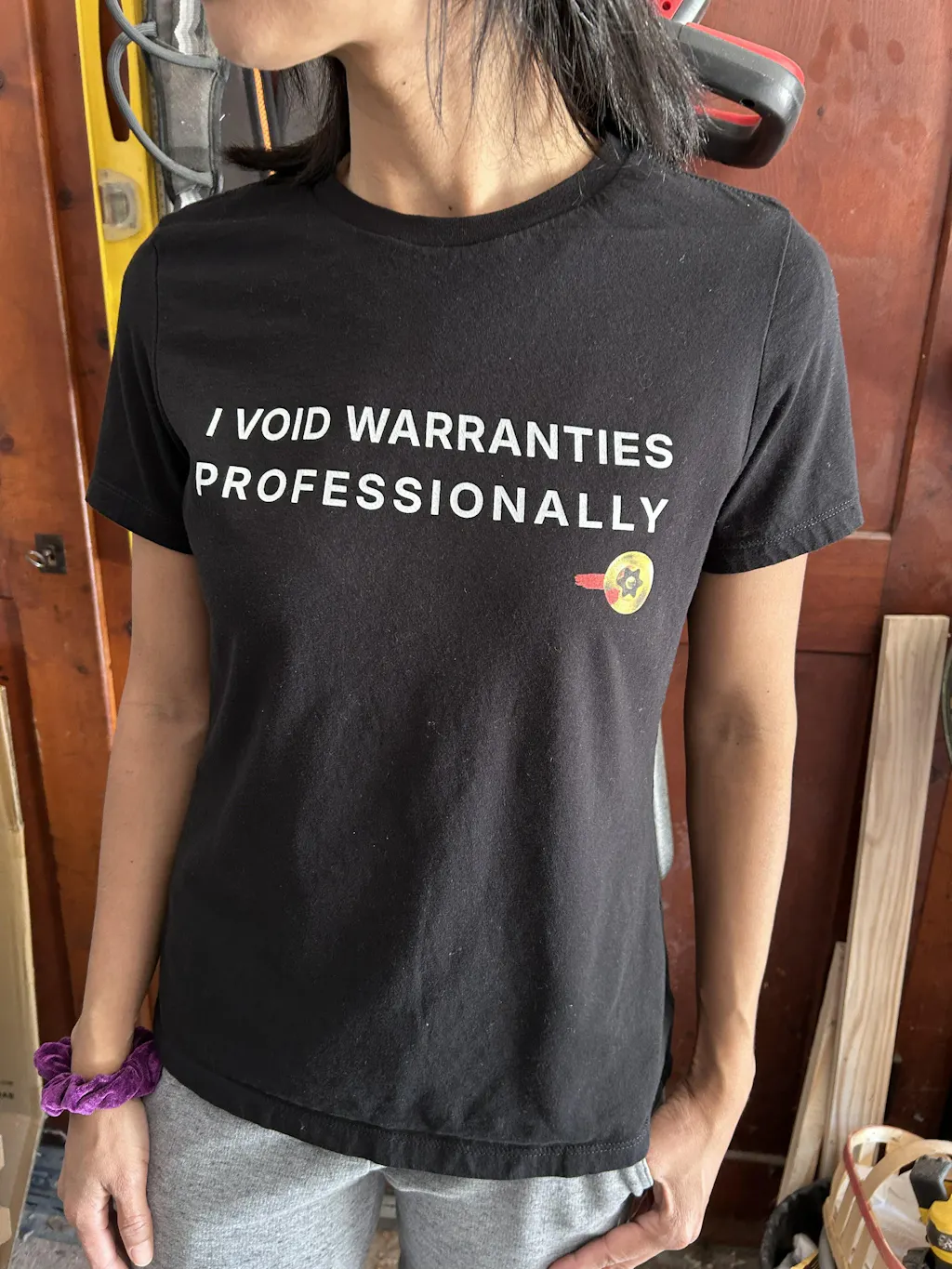
A shirt that says “I paused the job for a CAPA” will land differently with a quality engineer than one covered in cartoon gears and binary code. That gap is why engineers prefer subtle shirts. The right design does not need to explain the joke to everyone in the room. It only needs to be accurate enough that the people who have been there recognize it immediately.
For engineers, machinists, and manufacturing people, clothing is rarely the main event. The work is. There are drawings to release, tolerances to review, parts to inspect, suppliers to call, and a root cause that was supposedly closed three meetings ago. A shirt earns its place when it fits that reality: comfortable, well-made, and specific without shouting for attention.
Why engineers prefer subtle shirts
Subtle does not mean bland. It means the signal is calibrated.
A generic “Engineer” graphic is understandable, but it has no operating context. It could belong to someone who writes software, designs bridges, or bought it at an airport gift shop. A reference to surface finish, datum structure, corrective action, or the eternal struggle between design intent and manufacturability has a different effect. It identifies a shared experience without requiring a caption, a punchline, and three colors of distressed ink.
That specificity matters because technical work is full of language that outsiders hear but do not really understand. “It passed inspection” is not the same as “the measurement system is trustworthy.” “Just make it” is not the same as releasing a manufacturable print. Engineers build professional identity around those distinctions. Apparel that gets them right feels less like merch and more like a quiet nod across the shop floor.
The best designs work the way good engineering work does. They communicate the necessary information, remove noise, and hold up under scrutiny.
Insider recognition beats broad appeal
A loud novelty shirt tries to win every interaction. A subtle shirt is comfortable letting some people miss the point.
That is not snobbery. It is efficient communication. When a fellow engineer notices a reference to tolerance stack-up or a machinist catches a detail about feeds and speeds, the conversation starts at a higher level. Nobody has to explain what an engineer does. You can move directly to the real subject: the fixture that slipped, the revision that created three new problems, or the part that looked perfect in CAD and became expensive the moment it met a machine.
This is also why hyper-specific humor often has more staying power than broad STEM jokes. “Trust the science” is a slogan. A dry line about root cause analysis can become a personal favorite because it reflects a recurring work reality. It is funny precisely because it is accurate.
Workplaces reward the right amount of personality
Most engineering environments are not fashion runways, but they are not neutral spaces either. What you wear can signal whether you understand the setting.
A manufacturing engineer may move from a production floor to a supplier call to a conference room in one day. A quality specialist might spend the morning reviewing documentation and the afternoon handling an audit walkthrough. An R&D engineer may be surrounded by prototypes, solvents, test setups, and people who all have opinions about what “ready” means. In these environments, a shirt needs to have range.
Subtle apparel usually clears that bar better than a giant graphic. It lets someone show personality while staying appropriate around colleagues, managers, customers, or visitors. The design can be clever without becoming the first thing a customer notices during a plant tour.
There is a trade-off. A loud shirt can be right for a trade show, an engineering team offsite, a weekend project, or a friend who treats every Friday like a dress-code exception. There is nothing wrong with a bold graphic when bold is the assignment. But for everyday wear, restraint is more versatile. One good reference in a clean design can go farther than a full front print trying to prove the wearer likes math.
Subtle design respects the profession
Engineering culture is full of standards, specifications, and hard-won skepticism. People who work close to production can spot fake expertise quickly. That instinct carries over to apparel.
A design with random equations, imaginary blueprints, or nonsensical technical symbols may look “engineering-themed” to a broad audience. To the people it is meant to represent, it reads as costume design. The same is true when a brand uses machine imagery but gets the details wrong. A reference does not need to be academically dense, but it should make sense.
Accuracy gives a shirt permission to be funny. A quality joke works when it understands the paperwork, the corrective-action loop, and the pressure behind the deadline. A machining design works when it respects the craft rather than treating a CNC machine as industrial wallpaper. The details are the difference between being included in the culture and observing it from a safe distance.
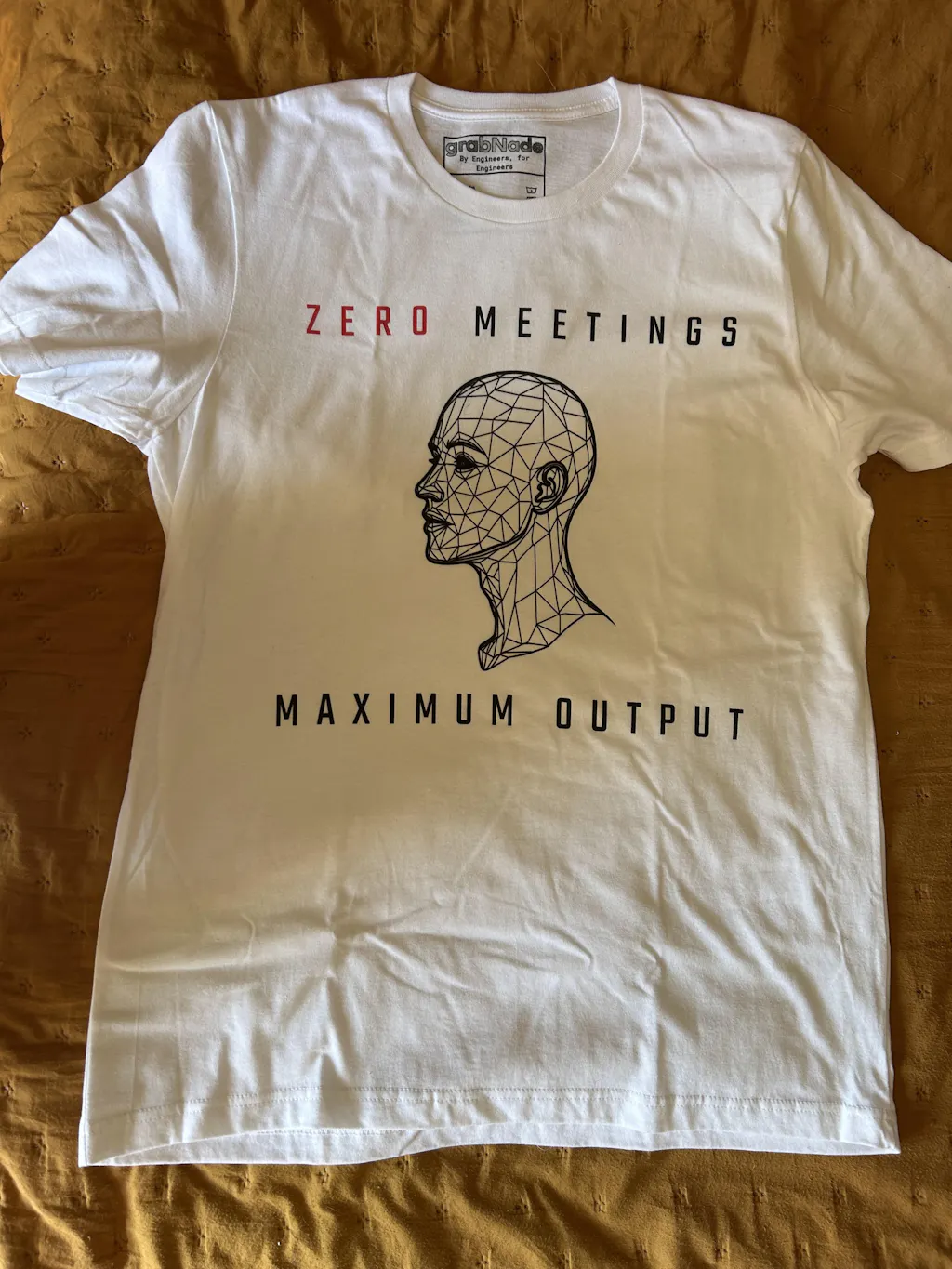
That is the standard grabNade is built around: designs that make sense if you have been there. Not generic intelligence theater. Not a motivational quote stapled to a gear icon. Just apparel for people who know why a drawing note can change an entire afternoon.
The garment matters as much as the graphic
Engineers are not known for accepting a design review that ignores materials, loading conditions, or failure modes. It makes sense that they notice when a shirt feels thin, loses its shape, or develops a cracked print after a few wash cycles.
Subtle shirts tend to invite a more considered purchase. Since the design is not relying on visual volume, the garment has to carry its share of the job. Fabric weight, fit, collar recovery, print placement, and wash durability matter. A restrained graphic on a poor shirt is still a poor shirt.
This is especially true for people who wear technical apparel as part of a regular rotation. The shirt may go under a flannel in the shop, under a jacket for a design review, or straight into weekend use. It should not require special handling or perform like a disposable event tee.
Fit is not one-size-fits-all, either. Some people want a closer cut that works under layers; others want room to move around equipment or spend a long day at a bench. A good apparel brand does not pretend there is one perfect silhouette. It provides clear specifications and lets the customer decide based on how the shirt will actually be used.
Quiet confidence has a longer service life
Trends burn fast. The shirt built around a viral joke can be funny for a month, then become something you only wear while painting a garage. Technical references with real context age better because the work remains recognizable. A CAPA still has to be documented. A tolerance still has to function. A bad handoff still creates rework.
That does not mean every subtle shirt must be serious. Dry humor belongs here. So does frustration, pride, and the occasional controlled complaint about a process that should have been fixed two revisions ago. The key is that the humor comes from the work, not from a marketing department’s idea of what engineers might find amusing.
The same principle applies to gifts. If you are buying for an engineer, machinist, quality professional, or product developer, the safest choice is not necessarily the most obvious one. Look for a reference connected to the kind of work they do, then choose a design they can wear outside a themed party. A shirt that becomes part of the weekly rotation is a better gift than one that gets one polite laugh and a permanent place in the drawer.
Wear the signal, not the billboard
The appeal of subtle engineering apparel is simple: it respects the audience’s intelligence. It gives working technical people something more useful than a broad label and something more durable than a novelty gag.
Choose the shirt that feels like a well-written drawing note. Clear to the people who need it, precise enough to earn trust, and free of everything that does not belong.