Organic Cotton Hoodie Review for Real Work
Teilen
A hoodie earns its place when the shop is cold at 7:00 a.m., the CAD review runs long, and you still want to look put together after clocking out. This organic cotton hoodie review is not about chasing a vague “eco” label. It is about whether the material, construction, fit, and graphic can survive real rotation without becoming the garment equivalent of an unverified assumption.
For engineers, machinists, and quality people, that means looking past the product photo. Fabric claims should hold up under use. A print should remain readable after repeat wash cycles. The fit should allow movement without leaving you with sleeves that catch on everything or a hood that feels like a decorative afterthought.
Organic Cotton Hoodie Review: What You’re Actually Buying
Organic cotton refers to cotton grown under standards that restrict certain synthetic pesticides and fertilizers. That matters at the farming stage, but it does not automatically tell you everything about the finished hoodie. Dye process, fabric weight, yarn quality, shrinkage control, sewing quality, printing method, and care all still affect the final result.
Think of “organic” as one input specification, not the whole inspection report. A hoodie can use organic cotton and still be thin, poorly cut, or prone to twisting after a few washes. Conversely, a well-built organic cotton hoodie can become the dependable layer you reach for during a cold machine setup, a late-night design release, or a weekend garage project.
The first useful question is not simply, “Is it organic?” Ask: “What kind of daily use is this built to handle?” A lightweight hoodie can be right for a climate-controlled office or a spring commute. It is not the same tool as a heavier fleece piece for a drafty manufacturing floor.
Feel and fabric weight
Organic cotton often feels soft quickly because its fibers are handled with comfort in mind, but softness alone is a weak performance metric. A sweatshirt that feels excellent on day one can still pill, stretch at the cuffs, or lose structure if the knit and finishing are poor.
For a workhorse hoodie, look for fabric with enough body to hang cleanly rather than collapse around the waist and wrists. Midweight fleece is usually the most versatile choice. It layers under a jacket, works over a tee, and does not turn a walk from the parking lot into a survival exercise. Heavier fabric adds warmth and a more substantial feel, but it can be excessive if your workday moves between a warm office and active floor time.
There is also a trade-off with blends. A 100% organic cotton hoodie has a straightforward natural-fiber story and a classic hand feel. Small amounts of recycled polyester or elastane can improve shape retention, drying time, and cuff recovery. Neither construction is universally better. If you care most about cotton content and breathability, choose accordingly. If you need a hoodie that gets washed constantly and must hold its geometry, a thoughtful blend may be the more practical design.
Fit is functional, not cosmetic
The right fit depends on how you use the hoodie. A relaxed silhouette makes sense for layering and off-hours wear, but excessive fabric around the torso and sleeves can be annoying around benches, tools, and equipment. Nobody needs a pocket or cuff that becomes an unofficial fixture in a moving assembly.
A good everyday fit gives you shoulder mobility, a body length that does not ride up when you reach, and sleeves that stay near the wrist. Check the size chart rather than treating your usual size as a controlled variable. Apparel sizing has more variation than it should, and “unisex” can mean anything from genuinely versatile to aggressively boxy.
If you are between sizes, decide based on intended use. Size up for layering over a tee and work shirt. Stay closer to your normal measurement if you want a cleaner profile under a coat or jacket. Shrinkage matters here too. Cotton can contract with heat, especially before it has been through several wash cycles.
Print Quality Under an Organic Cotton Hoodie Review
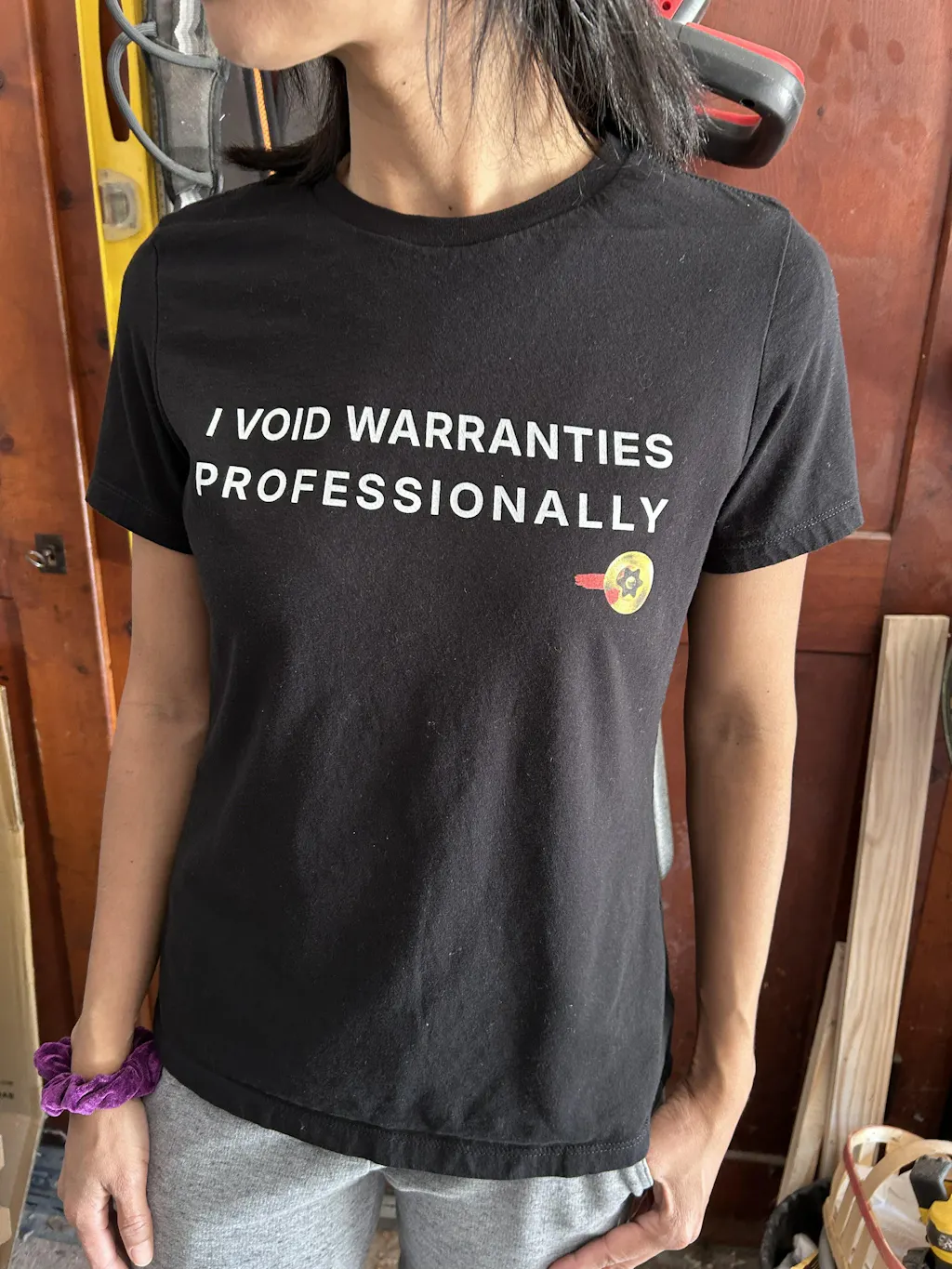
A technical graphic is only good if it stays technically legible. Fine lines, small type, and insider references need clean edges and sufficient contrast. A root cause analysis joke that turns into a gray rectangle after five washes has failed its basic function.
The print method affects feel and durability. Screen printing generally provides strong color and long service life when done well, though a large solid print can feel heavier on the chest. Water-based inks can produce a softer hand, particularly on cotton, but results depend on proper curing and the complexity of the artwork. Digital printing handles detailed art well, yet the outcome still comes down to ink quality, pretreatment, and process control.
Do not judge a print by brightness alone. Look at placement, registration, edges, and whether the design is scaled for the garment. A small left-chest mark can feel professional and understated. A larger back print may be the right call for a design that deserves room. The point is intent. Generic novelty apparel often treats the hoodie as a billboard. Better engineering apparel treats it as a piece of equipment with a personality.
At grabNade, that distinction shows up in designs made for people who recognize CAPA, surface finish callouts, and the particular optimism of saying, “It worked in CAD.” The reference should land cleanly for the people who have been there, without requiring a paragraph of explanation.
Construction Details Worth Inspecting
Most hoodie disappointments begin at the interfaces: seams, cuffs, ribbing, drawcord channels, and pocket corners. Fabric can be excellent while weak assembly turns the garment into a short-term prototype.
Inspect product specifications and photos for clear seam finishing and sturdy ribbed cuffs and waistband. Cuffs should recover after being pushed up all day. The pocket should sit flat and remain useful instead of pulling the front of the hoodie out of shape. A lined hood adds structure and warmth, while an unlined hood keeps bulk down. Again, application decides the winner.
Drawcords are another minor detail with major irritation potential. They should be evenly installed and long enough to use, but not so long that they spend their career dropping into sinks, parts bins, and lunch. If your workplace has safety rules around loose clothing, follow them. No hoodie is worth becoming a corrective action report.
Color also deserves a practical note. Black, charcoal, navy, and heather tones hide everyday shop dust better than bright colors, though they can show lint and light pet hair. Lighter colors read cleaner in an office setting but demand more attention around coolant, grease, and whatever mystery substance is currently living on the breakroom table.
Care Protocol: Keep the Spec Intact
The care label is not boilerplate. It is the operating procedure for fabric stability and print life. For most organic cotton hoodies, wash cold, turn the garment inside out, and use a mild detergent. Skip chlorine bleach. High heat is the fastest route to unnecessary shrinkage, damaged print, and a hoodie that now fits the smallest person on your team.
Air drying is the low-stress option, especially for printed garments. If you use a dryer, choose low heat and remove the hoodie promptly. Avoid ironing directly over the graphic. These steps are not precious garment theater. They reduce abrasion, heat exposure, and dimensional change - all predictable failure modes.
Wash the hoodie before deciding its long-term fit. Some change is normal with cotton, even when the fabric has been pre-shrunk. What you are watching for is excessive torque, uneven shrinkage, puckered seams, or a print that starts cracking early. Those are quality signals, not cosmetic footnotes.
Is an Organic Cotton Hoodie Worth It?
It is worth it when the garment meets the rest of the requirement set: comfortable fabric, sensible weight, durable construction, accurate sizing, and a design you will still want to wear after the novelty fades. Organic cotton alone does not guarantee any of those outcomes, but it can be a meaningful material choice for buyers who want reduced reliance on certain conventional agricultural inputs.
It may not be the best option if your top requirement is fast drying, maximum abrasion resistance, or constant exposure to wet and dirty conditions. In that case, purpose-built performance layers may be more appropriate. There is no award for using a cotton hoodie where a work jacket belongs.
For everyone else, choose the hoodie the way you would choose a tool for the bench: verify the material, understand the limits, and favor construction over marketing language. The right one becomes background equipment - comfortable, reliable, and quietly specific to the work you do.