How to Choose Hoodies for CNC Programmers
Teilen
A bad shop hoodie usually fails in the same two places - the print tries too hard, and the garment gives up early. If you are looking at hoodies for CNC programmers, that matters more than most apparel brands seem to understand. This is not a crowd that wants vague gear jokes or a random blueprint graphic slapped on cheap fleece. The right hoodie has to make sense to someone who has actually posted code, chased tolerances, and spent too many hours staring at toolpaths.
What makes hoodies for CNC programmers worth wearing
CNC programmers sit in an odd lane between digital work and physical manufacturing. One hour is CAM strategy, cutter engagement, and fixture decisions. The next is walking out to the machine, checking reality against the screen, and figuring out why a part that looked perfect in simulation is now trying to teach humility.
That is exactly why generic "engineer" apparel misses the mark. It treats technical work like a costume instead of a profession. Good hoodies for CNC programmers feel specific. They reference machining culture in a way that is recognizable without turning into billboard humor. The design should land with the people who know what setup time costs, what a bad handoff feels like, and why surface finish can ruin your day after everything else went right.
There is also a practical side. A hoodie in this category is rarely just fashion. It gets worn during cold starts, late-night programming sessions, weekend troubleshooting, and long hours in over-air-conditioned offices attached to hot shop floors. That means comfort matters, but durability matters more.
The design should sound like the trade
The first filter is simple - would somebody in manufacturing actually wear it, or is it trying to impress people outside the trade?
A lot of novelty apparel gets this wrong. It goes broad with lines about coffee, math, robots, or being "too smart." That might work at a generic gift shop. It does not work for people whose daily language includes work offsets, feeds and speeds, post edits, chip thinning, and the quiet suspicion that a revision-controlled print is still somehow not the latest print.
The better approach is understatement. Insider references tend to age better than loud jokes because they reflect lived experience. A design built around machining logic, process frustration, or shop-floor truth usually has more staying power than a one-liner that tries to go viral. If it feels like something an actual CNC programmer would say under their breath while reviewing a setup sheet, you are in the right territory.
That is one reason niche brands tend to outperform mass-market sellers here. When the person behind the design has spent real time around machines and CAD, the difference shows. The references are tighter. The humor is dryer. The whole thing feels less like marketing and more like recognition.
Fit and fabric matter more than trend
Most people shopping for hoodies for CNC programmers are not looking for runway silhouettes. They want something that fits cleanly, layers easily, and survives regular use. That means the fabric choice matters more than whatever fashion cycle is currently happening somewhere far away from a machine shop.
Midweight to heavyweight fleece is usually the safe bet. Too light, and it feels flimsy after a few washes. Too heavy, and it gets bulky under a work jacket or turns into a furnace during active shop work. The sweet spot is a hoodie that feels substantial without becoming stiff.
Cotton-rich blends tend to balance comfort and wear resistance well, especially when the inside stays soft after repeated washing. A fully synthetic hoodie can hold up in some conditions, but it often loses the feel people actually want for everyday wear. On the other hand, 100 percent cotton can be comfortable yet more prone to shrinkage and shape changes if the garment quality is mediocre. Like most manufacturing decisions, the answer is not absolute. It depends on how and where it will be worn.
Fit is similar. A relaxed fit usually works best because it leaves room for movement and layering. Oversized can be fine if that is your preference, but there is a point where extra fabric starts catching on chairs, benches, or whatever you are squeezing past. Slim cuts look clean online and get annoying fast in real use.
Construction details separate decent from disposable
This is where a lot of apparel loses the plot. A hoodie can have a clever graphic and still fail as a garment.
Look at the basics. Rib cuffs should recover instead of stretching out after a month. The hem should hold shape. The hood should feel structured enough to sit right rather than collapsing into a limp pile. Drawstrings are optional depending on your use case, but sloppy hardware and weak stitching are not a good sign.
Print quality matters too. If the graphic cracks badly after a few wash cycles, the whole product starts looking cheap no matter how good the joke was. For a niche technical audience, that matters more than brands think. People who work around process control and quality documentation tend to notice when a product feels careless.
A solid hoodie should improve with wear, not degrade immediately. That does not mean it needs to be indestructible. It means the garment should behave like somebody thought through the materials, the print method, and the expected use instead of just chasing a margin target.
When the hoodie is for the shop, and when it is not
Not every hoodie works in every environment, and pretending otherwise is lazy.
For office programming, design review, and general off-shift wear, almost any well-made hoodie with the right fit can work. For active shop-floor use, the answer gets more conditional. Some facilities have safety policies around loose clothing, drawstrings, or layered garments near rotating equipment. In those environments, a hoodie may be fine during setup meetings and useless at the machine. That is not a flaw in the hoodie. It is just reality.
This is why the best hoodies for CNC programmers often live in a hybrid role. They are built for the culture and the work life around machining, not necessarily for every minute of machine operation. Think break room, programming desk, early-morning startup, after-hours troubleshooting, trade shows, supplier visits, and the drive home after a long shift that went one tool break past acceptable.
Why these hoodies also work as gifts
CNC programmers are usually hard to buy for because they can spot fake relevance instantly. Generic tech gifts feel lazy. Random machine-themed graphics feel worse.
A good hoodie works because it hits two things at once. It is useful, and it feels seen. That second part is the one most gift buyers miss. The best apparel in this category reflects the actual job, not a movie version of manufacturing. It respects the difference between a machinist joke, a design engineer joke, and a quality engineer joke. To people outside the trade, those might sound interchangeable. They are not.
That makes specificity valuable. If the design references programming logic, setup chaos, tolerancing pain, or the unglamorous truth of production, it tends to land better than broad STEM branding ever will. It says the buyer paid attention.
What to avoid when buying hoodies for CNC programmers
The biggest mistake is buying based on the graphic alone. If the hoodie itself is low quality, the novelty wears off fast. The second mistake is choosing designs that explain themselves too loudly. CNC programmers do not usually need apparel that shouts. They want apparel that makes sense if you have been there.
It is also worth avoiding anything overloaded with random technical symbols that have nothing to do with machining. A caliper, a gear, a circuit board, a rocket, and some binary code on the same garment is not niche. It is just confused.
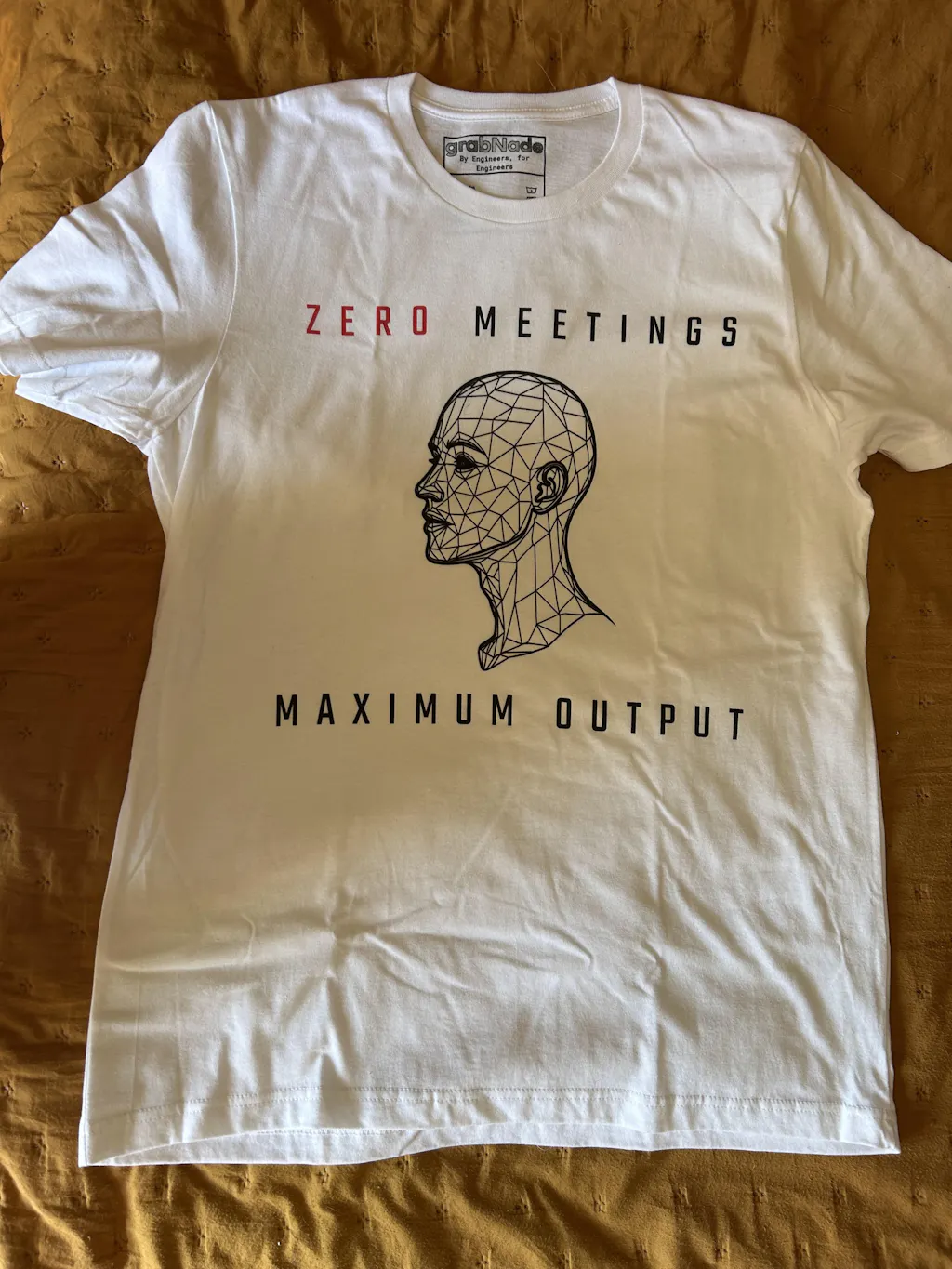
The better standard is coherence. The hoodie should feel like one clear idea, executed well, on a garment that can handle repeat wear. That is a higher bar than most novelty sellers can clear, which is why brands with actual manufacturing credibility stand out. grabNade fits that lane because the references come from lived experience, not trend-chasing.
The right hoodie should feel familiar
That is really the test. Not whether it is loud. Not whether it gets compliments from people who have never opened a CAM system. Whether it feels familiar to the person wearing it.
The best hoodies for CNC programmers do not try to turn the trade into a gimmick. They respect the work, understand the culture, and hold up like somebody cared about the build. That is enough. In this corner of apparel, that is also what makes it worth buying.
If you choose one that gets the reference right and the garment right, it will not need much explanation - and that is usually the strongest signal that you picked well.