Are Organic Graphic Tees Durable? The Real Test
Teilen
A tee that looks good on day one but twists at the side seam, pills under a hoodie, and turns its graphic into a faded incident report by wash ten is not quality apparel. So, are organic graphic tees durable? They can be. But “organic” tells you how the cotton was grown, not whether the finished shirt was engineered to survive real use.
For engineers, machinists, and anyone who treats a shirt as workday equipment rather than a disposable prop, the answer needs more than a green label. Durability comes from fiber quality, yarn construction, fabric weight, garment build, print process, and care. Miss one of those inputs and the output gets questionable fast.
Are Organic Graphic Tees Durable by Default?
No. Organic cotton can be excellent, but it is not a magic material specification.
Organic certification generally refers to farming practices: cotton grown without certain synthetic pesticides, herbicides, or genetically modified seeds. Those practices can matter for environmental and worker considerations. They do not automatically tell you the staple length of the fiber, the consistency of the yarn, the stitch density, or whether the shirt was cut on grain.
Think of it like material callout versus finished-part inspection. Saying a tee uses organic cotton is useful information, but it is not the full drawing package.
A poorly made organic tee can still be thin, loosely knit, prone to pilling, and cut with seams that torque after laundering. A well-made organic tee can hold its shape, keep a clean collar, and remain a reliable layer through years of wash cycles. The differentiator is construction discipline.
What Actually Determines Tee Durability
The fabric label is the start of the investigation, not the final disposition. A durable organic graphic tee usually gets several details right at once.
Fiber and yarn quality matter more than buzzwords
Longer cotton fibers can be spun into smoother, stronger yarns with fewer exposed ends. That generally means less fuzz, less pilling, and a cleaner surface for printed artwork. Ring-spun cotton is often softer and more refined than basic open-end cotton, though the label alone still does not guarantee a better garment.
Combed cotton takes this a step further by removing shorter fibers before spinning. The result is typically more uniform yarn. For a graphic tee, that matters because a smoother face gives the print a more stable surface and helps the shirt look less tired over time.
Organic cotton can be ring-spun, combed, both, or neither. If a brand only says “organic” and provides no useful construction detail, you are still missing key dimensions.
Fabric weight is a trade-off, not a scorecard
A heavier tee often feels more substantial because there is simply more material in the knit. In the US, fabric weight is commonly discussed in ounces per square yard or grams per square meter. A lightweight shirt may be comfortable in a hot shop or under a jacket, while a midweight shirt tends to offer a better balance of structure, opacity, and wear resistance.
Heavyweight is not automatically better. An overly heavy jersey can feel stiff, run hot, and put more stress on collar ribbing or shoulder seams if the construction is poor. Meanwhile, a well-knit midweight organic cotton tee can outlast a cheap heavyweight shirt that uses weak yarn and sloppy sewing.
For daily wear, look for fabric that does not feel paper-thin when held to the light, but does not need a crane to hang on a closet rod. The useful target is enough density to resist abrasion and maintain shape without sacrificing comfort.
Knit consistency controls shape retention
Most graphic tees use jersey knit. A tight, even knit helps the fabric resist distortion, especially after repeated washing. Loose knit structures can feel exceptionally soft at first, then stretch, skew, or develop a worn-out surface faster than expected.
Check the shirt after it has been washed, not just when it arrives folded and optimistic. Does the side seam stay near the side? Does the body remain square? Does the collar sit flat, or does it start looking like it lost a fight with a dryer? Those are practical quality checks.
Construction is where cheap shirts show their hand
Durable tees benefit from reinforced shoulder seams, clean stitching, stable neck ribbing, and consistent seam allowances. Shoulder-to-shoulder taping helps support the upper seam line and can reduce stretching. A well-built collar should recover after being pulled over your head repeatedly, rather than becoming a loose oval by the end of the season.
The hem and sleeve seams matter too. You do not need to inspect every stitch with a caliper, but you should not see skipped stitches, wandering seam lines, or loose thread tails on a new garment. Those are not charming manufacturing artifacts. They are early warning indicators.
The Graphic Has Its Own Failure Modes
A durable blank does not rescue a poor print. For graphic tees, the decoration method is as important as the cotton.
Screen printing, when done properly, is a strong option for bold, long-lasting designs. Good ink coverage and proper curing allow the print to flex with the fabric instead of cracking prematurely. Water-based and discharge-style prints can create a softer hand feel, especially on cotton, but results depend on the artwork, garment color, pretreatment, and production control.
Direct-to-garment printing can produce detailed artwork with a softer feel than a thick traditional print. It also requires correct pretreatment and curing. If those process controls are off, the graphic may fade faster or feel less stable after laundering.
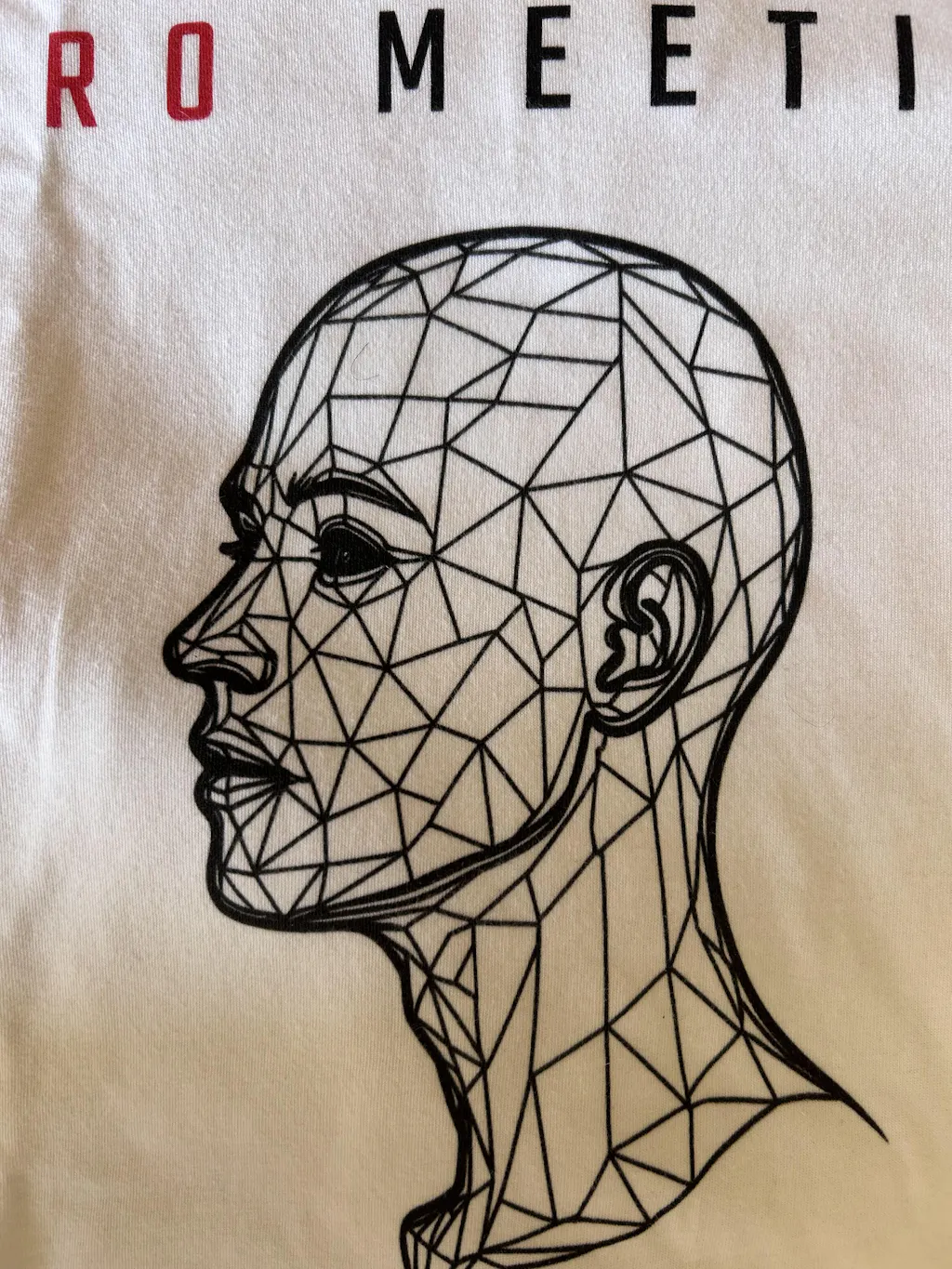
The simple field test is visual and tactile. A print should not feel like a brittle plastic panel bonded to the chest. It should have reasonably even coverage, sharp edges, and enough flexibility to move when the shirt moves. Fine technical linework, small text, and subtle insider references demand particularly clean execution. If the design is supposed to say something to people who know, it should still be legible after more than three wash cycles.
Shrinkage Is Not Always a Defect
Cotton shrinks because fibers relax and contract under heat and agitation. Some shrinkage is normal, particularly in 100% cotton garments. The question is whether the brand accounted for it through pre-shrinking, garment washing, pattern allowances, or accurate sizing guidance.
A tee that shrinks a small, predictable amount may still be durable. A tee that drops a full size, twists at the torso, and shortens its sleeves unevenly is not. That is process variation wearing a neck label.
Organic cotton tees are often sold in 100% cotton constructions because that keeps the fiber story straightforward. The trade-off is that cotton may have less elastic recovery than a cotton blend. A small amount of synthetic fiber can improve stretch retention in some garments, but it changes the hand feel and may complicate the end-of-life story. Neither route is universally right. It depends on whether the priority is pure cotton feel, dimensional stability, stretch, or weight.
How to Make an Organic Graphic Tee Last
Care is not glamorous, but neither is replacing a shirt before its time. Wash organic graphic tees inside out in cold water with similar colors. Use a normal, not aggressive, detergent amount. More detergent does not equal more clean. It can leave residue that dulls fabric and print.
Avoid heavy-duty cycles unless the shirt genuinely needs them. High agitation creates unnecessary abrasion, especially when tees share a load with denim, work pants, zippers, or hardware. Skip bleach unless the care label specifically allows it.
Heat is usually the main culprit. Tumble drying on low is safer than high, and air drying is gentler still. If you use a dryer, remove the tee when it is dry rather than letting it cook through an extra cycle. Do not iron directly over the graphic. That is a fast way to turn a clean design into a heat-transfer experiment nobody approved.
What to Look for Before You Buy
When comparing organic graphic tees, ask practical questions. Is the fabric weight disclosed? Is the cotton ring-spun or combed? Is the garment pre-shrunk? What print method is used? Are there clear care instructions? Does the brand show enough product detail to let you evaluate the shirt beyond a front-facing mockup?
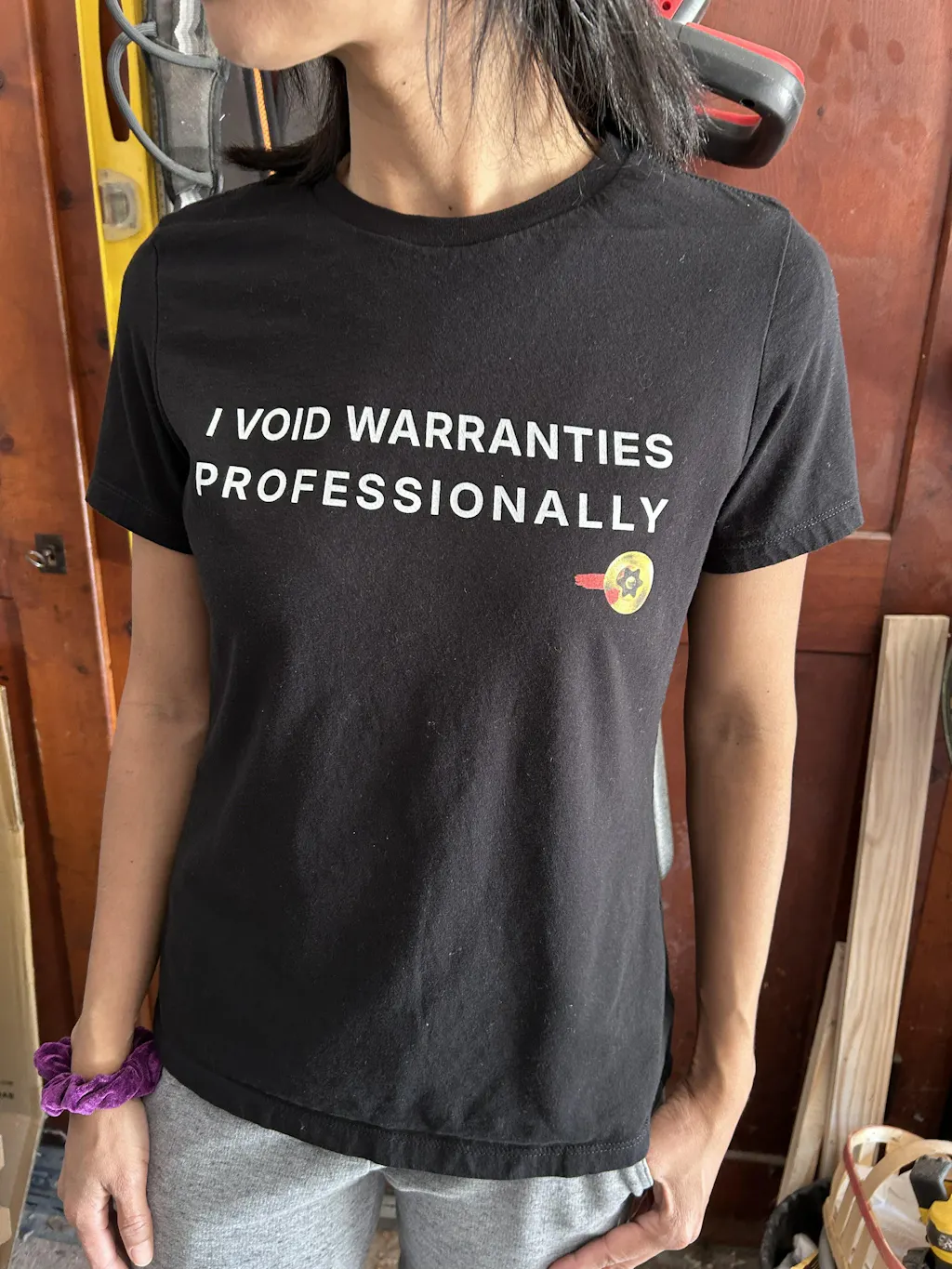
Transparency is a quality signal because it indicates the seller expects the product to be evaluated. grabNade’s approach to engineering apparel is built around that idea: the design needs to land with people who know the work, and the garment needs to hold up long enough for the reference to earn its place in the rotation.
A durable organic graphic tee is not defined by one label or one claim. It is the result of competent material selection and controlled execution, followed by care that does not treat cotton like shop rags. Buy the shirt with the better specifications, wash it like you intend to keep it, and let the weak designs fail their own inspection.
Organic and certified options
- Kaizen Safe Word hoodie: 80% organic cotton, 20% recycled polyester
- Never Trust A Blueprint hoodie: the eco raglan version
Browse more in Organic Engineer Apparel.