Best Apparel for Mechanical Designers
Share
A mechanical designer can spot fake engineering merch in about two seconds. Usually faster. One look at a random gear graphic slapped on a thin shirt and it is obvious the design came from someone who has never sat through an ECO review, argued over tolerance stack-up, or spent half a day fixing a model that broke because one feature got reordered. That is why the best apparel for mechanical designers is not just about fit or fabric. It has to feel right to the work, the environment, and the culture.
Mechanical design sits in an odd middle ground. Some days are all CAD, design reviews, supplier emails, and DFM debates. Other days involve the floor, prototype builds, test setups, and a close look at what actually happened versus what the model said should happen. Apparel has to make sense across that range. If it only works as novelty, it gets worn once. If it only works as basic clothing, it gets ignored. The sweet spot is gear that looks clean, wears well, and signals actual fluency without shouting.
What the best apparel for mechanical designers gets right
Good apparel for this crowd starts with material quality. That sounds obvious, but it gets missed constantly. Mechanical designers tend to notice construction details because noticing details is the job. If the fabric feels cheap, the print sits like plastic, the seams twist after a wash, or the collar loses shape in a month, that is not a minor issue. It is a quality failure.
A solid tee should hold its structure without feeling stiff. Midweight cotton or a cotton blend usually lands in the right range. Too thin and it reads like giveaway swag. Too heavy and it becomes a shirt you avoid unless the shop is freezing. The best hoodies follow the same logic. Enough weight to feel substantial, enough softness to wear all day, and enough build quality to survive real rotation instead of occasional weekend use.
Fit matters too, but not in a fashion-magazine sense. Mechanical designers need apparel that works sitting at a desk, reaching across a bench, leaning over a machine, or carrying a box of parts from receiving because no one else grabbed it. A trim but not restrictive fit usually wins. Oversized can feel sloppy. Too slim gets annoying the second the workday becomes physical.
Then there is graphic design, which is where most engineer apparel falls apart. The best stuff is specific. It references the actual language, habits, and pain points of the profession. Think tolerances, revision chaos, stack-ups, manufacturability, surface finish, root cause, fixture logic, and all the quiet frustration that lives between design intent and production reality. Generic science jokes are not enough. Mechanical designers do not need a shirt that says they are good at math. They need one that sounds like it came from someone who has actually been there.
Tees are still the baseline
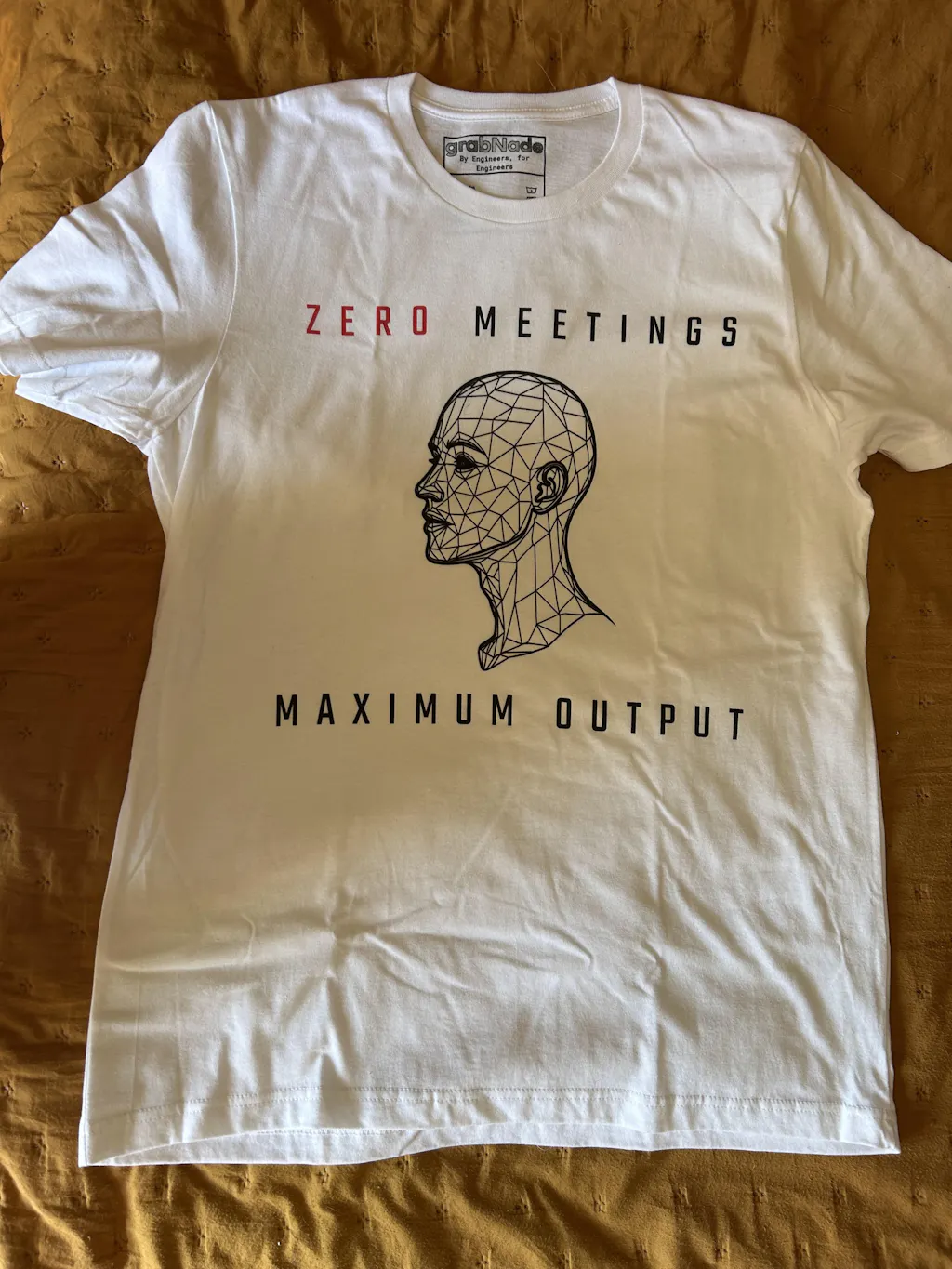
If you had to choose one category, start with tees. They are the default layer for CAD work, lab time, and off-hours wear. The reason tees matter so much is simple. They carry the graphic, set the comfort standard, and get washed more than anything else. If the tee quality is off, the whole brand starts looking careless.
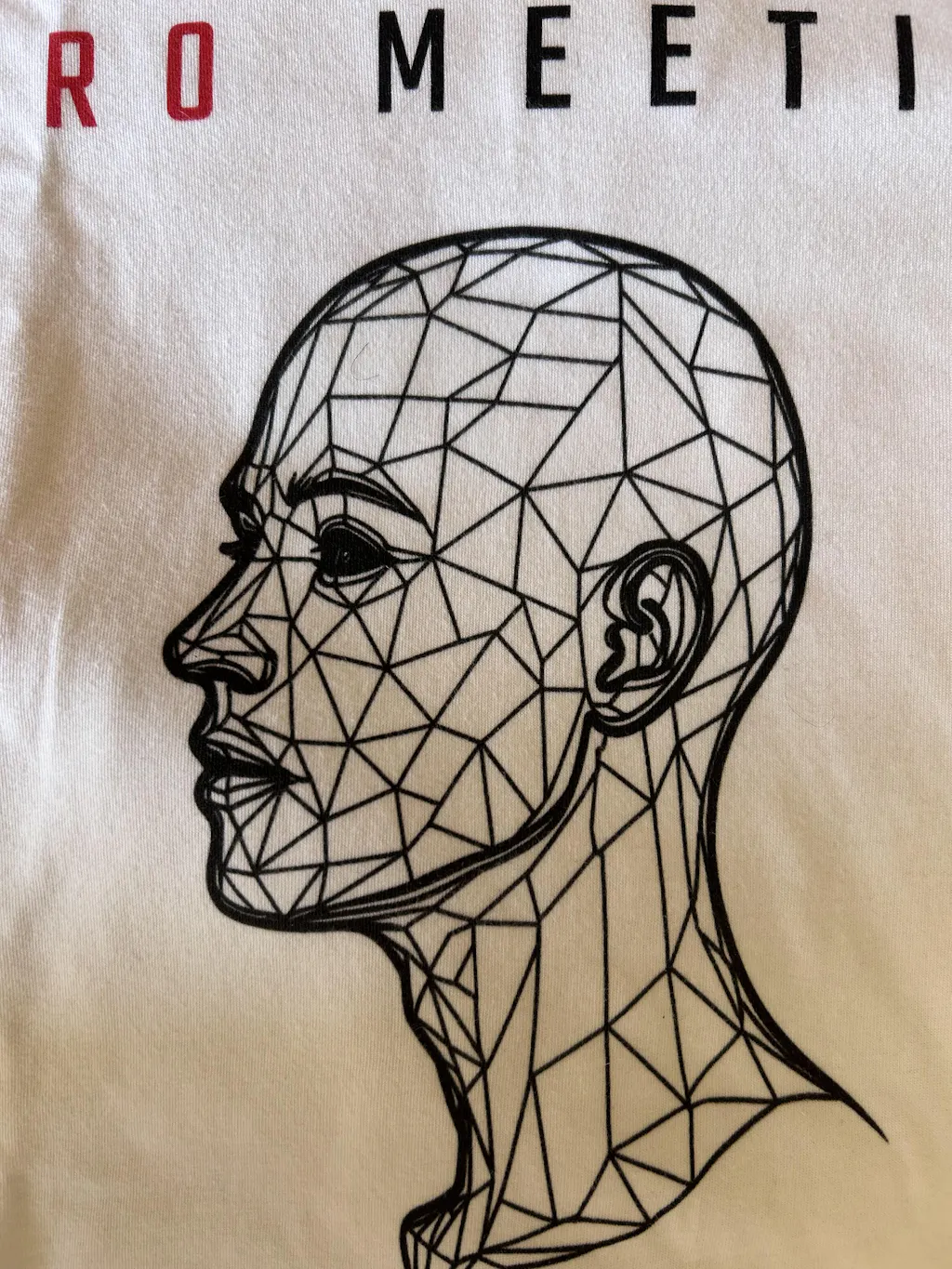
The best T-shirts for mechanical designers usually keep the design restrained. A sharp reference lands better than a loud one. That could mean a line that only makes sense if you have dealt with release approvals or process drift, or a graphic that nods to machining, design iteration, or tolerance battles without turning into costume wear. Understatement works because the audience gets it. It does not need to be explained.
This is also where print quality matters. If the ink cracks early, fades unevenly, or feels thick and rubbery, it cheapens the whole thing. Engineers may not talk about print methods at lunch, but they absolutely notice when a product fails early.
Hoodies make sense for real workdays
Hoodies are probably the most practical second piece. Mechanical designers live in changing environments. The office is cold, the lab is colder, and the floor temperature depends on season, machine heat, and whatever the building HVAC decided to do badly that week. A good hoodie bridges all of that.
The best hoodies for mechanical designers are durable enough for repeated wear but clean enough to look intentional, not like emergency layering. A well-built pullover or zip hoodie works for early design meetings, supplier calls, travel, and prototype days when a T-shirt alone is not enough. The wrong hoodie, though, gets bulky, pills fast, or turns into a heat trap.
Design placement matters more on hoodies than people think. A chest hit or compact front graphic often works better than an oversized print. Mechanical designers tend to prefer apparel that feels tuned, not noisy. The point is not to look like a billboard for a joke. The point is to wear something that feels accurate.
Women’s fit is not an afterthought
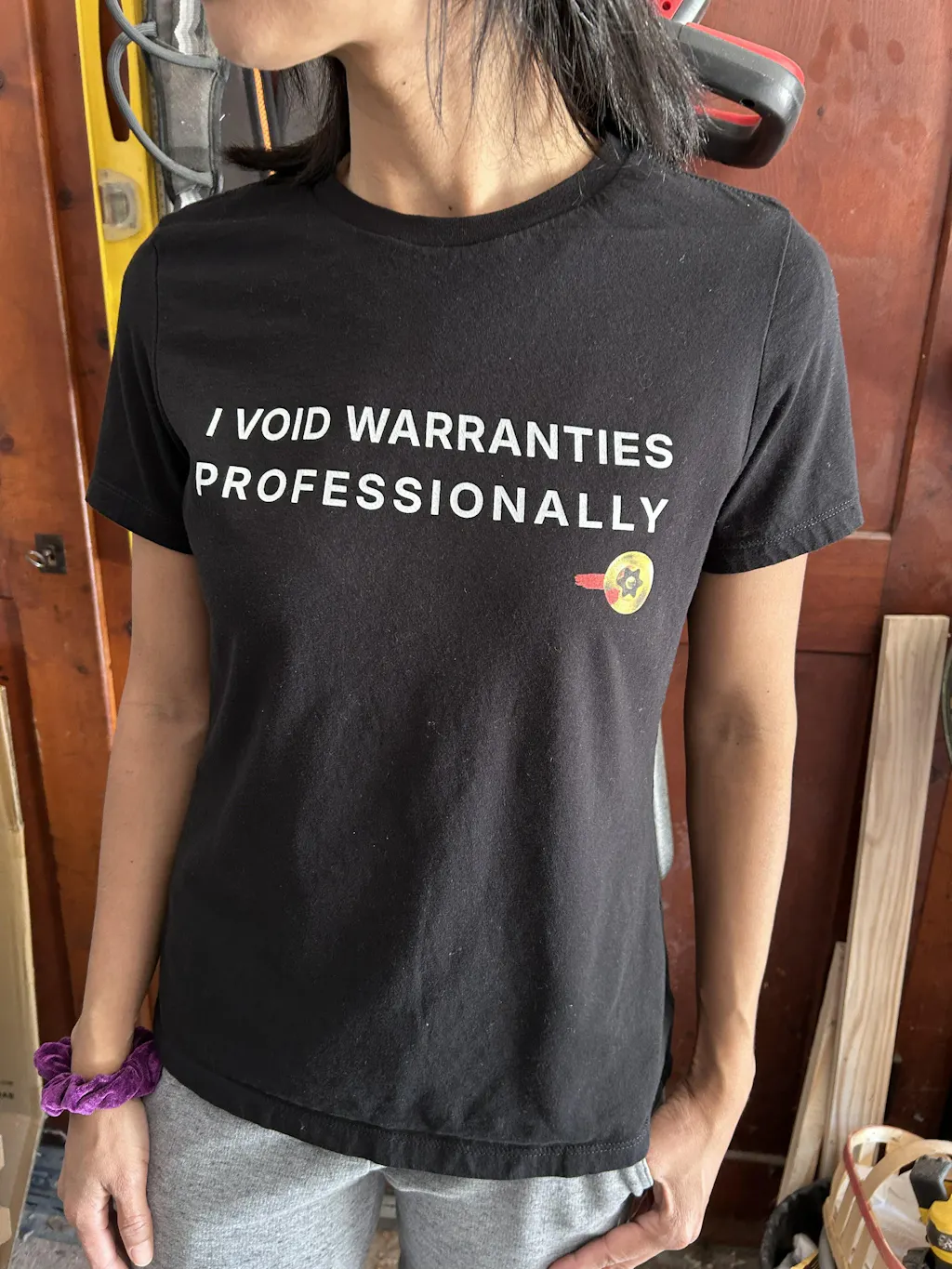
For women in mechanical design, bad apparel options usually fail in one of two ways. Either the fit is clearly adapted from a men’s blank with no thought behind it, or the graphic gets softened into something generic and less technical. Neither approach respects the audience.
The best apparel for women mechanical designers should offer the same level of technical specificity and garment quality as any other product in the line. Same insider references. Same standards. Same seriousness about fit, fabric, and durability. The difference should be in how the garment is cut and how it wears, not in whether the design still feels credible.
That sounds basic, but it is still rare. Too many brands treat women’s engineering apparel like a side category. People notice.
Organic and premium fabrics have a place, but only if they perform
Some buyers want organic cotton or premium blends, and that preference is reasonable. Comfort matters. Material sourcing matters. But for this audience, claims alone do not carry much weight. Mechanical designers tend to ask the same question they ask about parts and processes - does it actually hold up?
Organic apparel can be excellent if the fabric weight, stitch quality, and print performance are there. If not, it becomes a nice label attached to an average garment. Premium should mean something tangible in wear, recovery, softness, and long-term shape retention.
This is where documentation and transparency help. Clear specs, honest fabric details, and direct care guidance do more for trust than polished marketing language ever will. A brand that can explain its apparel like a product instead of a vibe usually wins with engineers.
The best designs respect the profession
Mechanical designers do not need to be flattered. They need to be understood. There is a difference.
The strongest apparel designs usually come from real proximity to the work. They reflect the friction between concept and manufacturability, the weird pride in a clean model tree, the constant negotiation between speed and correctness, and the low-key comedy of trying to make parts behave in the real world. That is a much richer design space than generic engineer jokes.
It also means avoiding lazy visual clichés. Random gears, blueprint backgrounds, and fake equations are the apparel version of adding features because someone thought the CAD looked empty. More is not better. Better is better.
That is where a niche engineering brand can earn trust. If the references are right, the humor is dry instead of corny, and the garment quality backs up the message, the apparel stops feeling like merch and starts feeling like identity wear. grabNade sits in that lane because it is built around actual shop-floor and CAD fluency rather than broad STEM wallpaper.
What to look for before you buy
If you are choosing apparel for yourself, or trying to buy a gift for a mechanical designer, skip the obvious novelty route and check a few things first. Look at fabric weight and garment composition. Check whether the graphics are profession-specific or just engineering-adjacent. See if the fit options make sense for how the piece will be worn. And pay attention to whether the brand talks about quality like it has a standard or just hopes you will not ask.
There is also an honesty test that works surprisingly well. Ask whether the design would still be good if the wearer had to explain it to another engineer. If the answer is yes, you are probably looking at something worthwhile. If the joke falls apart the second a technically literate person looks at it, keep moving.
Price has trade-offs too. Cheap apparel is tempting, especially for graphic tees, but poor construction shows up fast. Better blanks, cleaner printing, and more durable finishing cost more. For mechanical designers, that usually makes sense. A shirt that lasts and still looks right after real wear is cheaper than replacing bad ones that never should have shipped.
The best apparel for mechanical designers does not try to cosplay competence. It reflects it. Good fabric, honest construction, accurate references, and graphics that only make full sense if you have argued with a feature tree at 6:30 p.m. That is the standard. Anything less is just another bad revision.
Designs for CAD and design engineers
- CAD Crash Cycle: extrude, fillet, assemble, crash
- Never Trust A Blueprint: it's always sketchy
- Stacking Tolerances: the stack-up nobody signed off on
Browse more in Mechanical Engineer T-Shirts.