Varför en Root Cause Analysis-tröja fungerar
Dela
En dålig ingenjörströja är lätt att upptäcka på långt håll. Den brukar ropa ut sitt budskap. Den lutar sig mot kugghjul, formler eller något återvunnet skämt om att vara smartare än alla andra. En tröja med rotanalys gör motsatsen när den är rätt gjord. Den ser ut som något som gjorts av människor som faktiskt har suttit igenom granskningar av korrigerande åtgärder, grälat om inneslutning kontra korrigering och stannat kvar sent för att det första svaret uppenbarligen inte var det riktiga.
Det är därför denna nisch fungerar.
För rätt publik är rotanalys inte slumpmässig teknisk jargong tryckt på bomull. Det är ett gemensamt språk. Det signalerar kvalitet, tillverkning, tillförlitlighet och produktmänniskor som vet skillnaden mellan att behandla ett symptom och att åtgärda processen. Det gör den bättre än generisk ”ingenjörshumor” och mycket mer användbar som identitetsdriven klädsel.
Vad som gör en rotanalyströja riktigt bra
Frasen har tyngd i sig, men alla designer förtjänar den inte. Inom ingenjörskläder är specificitet filtret. Om designen känns som om den gjordes av någon som googlade ”kvalitetstermer” fem minuter innan de skickade konstverket till tryck, kommer publiken omedelbart att veta det.
En bra rotanalyströja får kulturen rätt innan den får grafiken rätt. Det betyder att formuleringen måste kännas som att den hör hemma på verkstadsgolvet, i kvalitetslabbet, på produktionsmötet eller i designgranskningen. Den ska låta som något ditt team faktiskt skulle säga, inte som en nyhetssida som försöker cosplaya tillverkning.
Subtilitet spelar också roll. De bästa versionerna är oftast inte högljudda. De träffar rätt för att de är precisa. Kanske är referensen torr. Kanske är den lite sarkastisk. Kanske nickar den åt CAPA, 5 Whys, fiskbensdiagram, avvikelser eller det eviga problemet med att ledningen vill ha ett avslut innan bevisen finns där. En sådan design respekterar bäraren eftersom den antar att de redan förstår skämtet.
Det är det verkliga testet. Om en tröja behöver förklaras för de människor den gjordes för, misslyckades den.
Varför ingenjörer och kvalitetsmänniskor reagerar på den
De flesta yrkesbaserade kläder misslyckas med tekniska köpare eftersom de behandlar dem som en stereotyp. Ingenjörer får tröjor täckta med ekvationer som inte betyder något. Maskinister får lat ”manuellt arbete men smartare” humor. Kvalitetsmänniskor får nästan ingenting alls, vilket är konstigt med tanke på hur mycket av modern tillverkning som drivs genom dokumentation, kontroll och korrigerande åtgärder.
En rotanalyströja fungerar eftersom den riktar sig till en mycket verklig tankevana. Den är för människor som är tränade, ibland smärtsamt, att fortsätta fråga vad som ändrades, vad som misslyckades, vad som missades, vilket system som tillät det och varför problemet undkom. Detta tankesätt formar hur de arbetar, hur de pratar och ofta hur de skämtar.
Den har också bredd. En produktionstekniker läser den på ett sätt. En kvalitetstekniker läser den på ett annat. En FoU-ledare som hanterar upprepade designfel läser den med en annan nivå av trötthet. En maskinist som har sett dåliga utskrifter, dåliga inställningar och förhastade beslut som leder till dyrt skrot förstår det omedelbart. Frasen reser väl mellan funktioner eftersom erfarenheten bakom den delas.
Detta ger tröjan socialt värde inom branschen. Den kan vara rolig, men den fungerar också som ett erkännande. Inte ett brett konsumenterkännande. Bättre än så. Ett insidererkännande.
Avvägningen mellan roligt och trovärdigt
Det är här många nischkläder faller isär.
Om skämtet är för brett blir designen lätt att glömma. Om det är för tekniskt på fel sätt slutar det att kännas bärbart och börjar kännas som en träningsbild. Det bästa stället ligger i överlappningen mellan trovärdighet och återhållsamhet.
En tröja med rotanalys ska inte försöka vara för smart. Ingenjörer blir inte imponerade av en design som gör bakåtvolter. Oftast är det starkaste konceptet det som tar en bekant smärtpunkt och presenterar den rent. En kort rad. En skarp referens. En layout som ser avsiktlig ut istället för kaotisk.
Det finns också en skillnad mellan nischad och obskyr. Att referera till rotanalys är nischat på ett bra sätt eftersom tillräckligt många tekniska proffs känner igen det direkt. Att referera till en djupt specifik intern kvalitetsakronym från en anläggning i en bransch är förmodligen för smalt, om inte tröjan är avsedd för en privat teamorder.
Så ja, det beror på publiken. För utåtriktade ingenjörskläder är de bästa designerna specialiserade utan att bli slutna. De belönar de som vet, men de ser inte oläsliga ut för alla andra.
Designdetaljer spelar större roll än de flesta varumärken tror
Tekniska köpare märker utförande. De är programmerade för det.
Det betyder att en tröja med rotanalys inte bara handlar om frasen på bröstet. Det handlar också om typografi, avstånd, plaggkvalitet, tryckkänsla och om hela plagget ser ut som det gjordes med disciplin. Slabbig design underminerar konceptet eftersom konceptet i sig handlar om att diagnostisera fel och förbättra system. Om tröjan ser slarvig ut är ironin inte charmig.
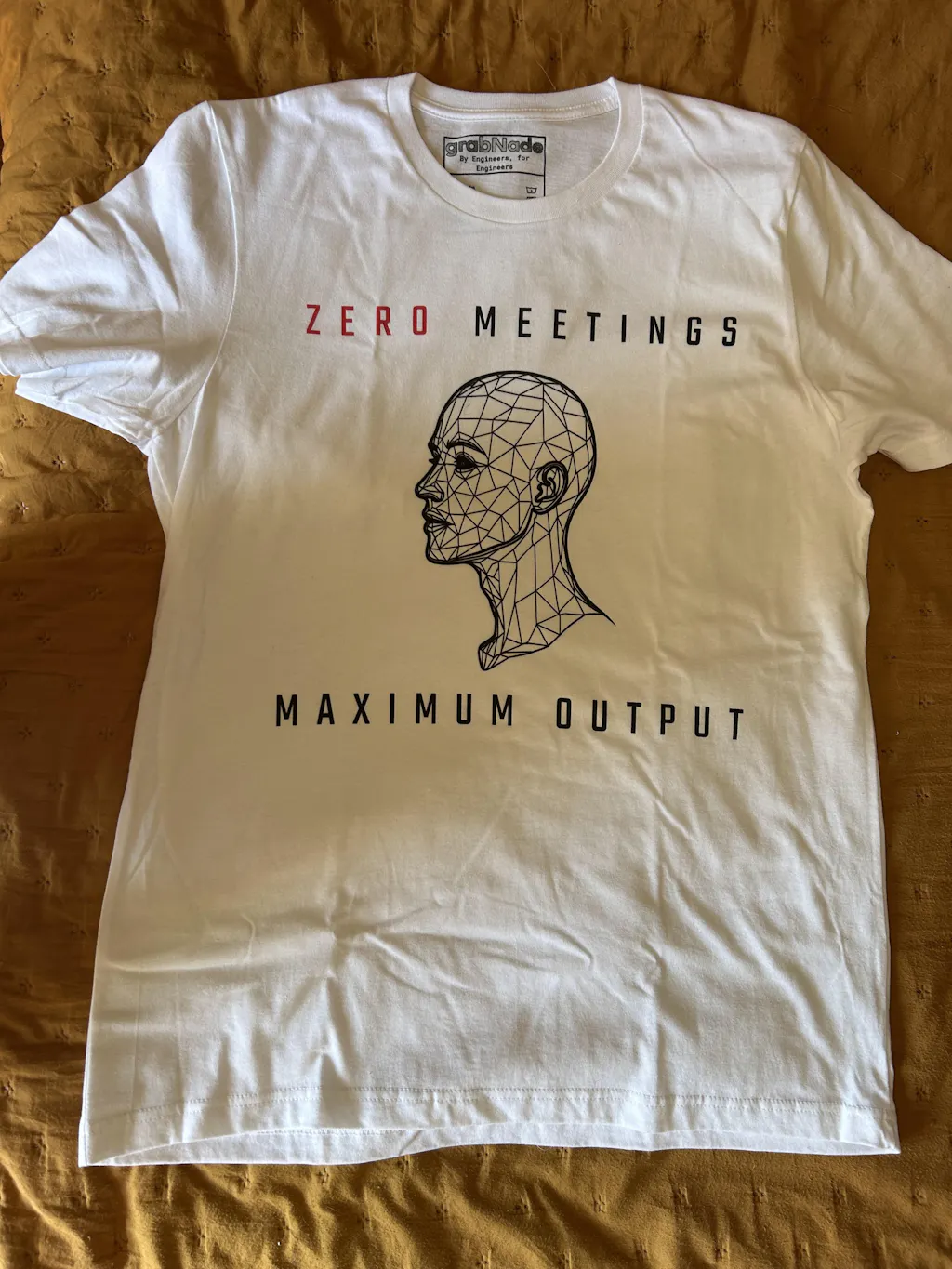
Bra ingenjörskläder tenderar att dra nytta av renare layouter, starkare typsnittshierarki och grafik som känns mer ritad än dekorerad. Inte steril. Bara kontrollerad. Det visuella språket bör matcha publikens standarder.
Plaggets kvalitet spelar också roll, och förmodligen mer än i vanliga nyhetskläder. Tekniska proffs är ofta hårda mot kläder. Det bärs i butiker, laboratorier, flygplatser, kontor, testceller, garage och på helger som på något sätt fortfarande involverar fixturer eller projekt. Om tyget känns tunt, kragen skev eller trycket spricker tidigt, blir det en del av produkthistorien. Inte en bra del.
Det är en anledning till att nischköpare fortsätter att komma tillbaka till varumärken som förstår hantverket. Meddelandet får det första klicket. Byggkvaliteten får den upprepade beställningen.
När en rotanalyströja blir den bästa presenten
Denna kategori är starkare än generiska ingenjörspresenter eftersom den undviker det vanliga falska-personlighets-tillvägagångssättet. Du köper inte ”vetenskapliga prylar” till någon som råkar arbeta inom tillverkning. Du köper något som är kopplat till hur de faktiskt tänker och arbetar.
Det är en stark present till kvalitetsingenjörer, tillverkningsingenjörer, processingenjörer, valideringsteam, leverantörskvalitetspersonal och tekniskt kunniga chefer som har genomlevt tillräckligt många möten med korrigerande åtgärder för att utveckla ett sinne för humor om dem. Det fungerar också för blandade team eftersom frasen är bekant utan att vara överexponerad.
Tillfället spelar mindre roll än passformen. Födelsedagar fungerar. Befordringar fungerar. Teamvinster fungerar. Gåvor vid projektavslut fungerar. Mässkläder fungerar. Ännu bättre, det finns en god chans att det bärs utanför arbetet eftersom det inte skriker företagsswag.
Den sista punkten är viktig. Många tekniskt tematiserade kläder dör i lådan eftersom det känns för mycket som företagsprodukter. En välgjord tröja med rotanalys undviker det genom att kännas personlig snarare än märkesmärkt.
Varför äkthet är hela spelet
Marknaden för ingenjörskläder är full av design som är gjorda utifrån. Det märks. Referenserna är antingen för uppenbara eller något felaktiga, som om de var sammansatta av andrahandskunskap. För en publik som bygger på precision är ”tillräckligt nära” inte tillräckligt nära.
Det är därför grundarens trovärdighet och ämneskunskap är så viktiga i denna kategori. När människorna som tillverkar tröjan faktiskt känner till arbetsflödena, frustrationerna och språket, känns produkten annorlunda. Humorn blir skarpare. Referenserna blir renare. Designen slutar försöka bevisa att den hör hemma.
Det är också det som skiljer ett verkligt nischvarumärke från en generisk tryckverkstad med tusentals slumpmässiga uppladdningar. Den ena bygger kläder kring en kultur. Den andra fyller katalogutrymme.
För ett varumärke som grabNade är den distinktionen hela poängen. Ingenjörsmänniskor behöver inte mer högljudda varor. De behöver design som är meningsfull om du har varit där.
Den bästa rotanalyströjan är specifik utan att vara förbrukningsbar
Trendiga tröjor brinner hett och bleknar snabbt. Yrkespecifika tröjor håller längre när de bygger på verklig arbetskultur istället för internettiming. Rotanalys har en bestående kraft eftersom frasen är kopplad till en hållbar del av det tekniska arbetet. Produkter misslyckas. Processer driver. Undantag inträffar. Någon måste ta reda på varför.
Denna bestående kraft gör tröjan till mer än ett skämtköp. Det blir ett av de plagg du behåller eftersom det fortfarande känns korrekt ett år senare. Kanske ännu mer korrekt efter att nästa förebyggbara problem smyger sig igenom och någon frågar efter ”rotorsaken” innan det finns tillräckligt med data för att stödja en.
Det är charmen, egentligen. Frasen är allvarlig. Bärandet är lätt. Spänningen mellan dessa två saker är det som ger tröjan dess udd.
Om du ska bära ditt yrke på bröstet, bör det åtminstone låta som om ditt yrke faktiskt skrev det.