Maskiningenjörs-T-shirts som faktiskt passar
Dela
Du kan upptäcka dåliga t-shirts för maskiningenjörer på cirka tre sekunder. Skämtet är återvunnet, grafiken ser ut att komma från ett arkivikonpaket, och tröjan behandlar ingenjörskonst som ett vagt personlighetsdrag istället för ett verkligt yrke. För människor som lever i CAD, på fabriksgolvet, i testning, eller mellan designgranskningar och möten om grundorsaker, missar den typen av merchandise målet.
Problemet är inte att ingenjörer vill ha mode. Det är att de vill ha precision. En bra tröja ska läsas som om den kom från någon som faktiskt har hanterat toleransstack-up, revisionsomvälvning, leverantörsvariation, och den tysta smärtan av att se en fin design förstöras av tillverkningsbegränsningar. Det förändrar vad som hör hemma på tröjan, hur högljudd designen ska vara, och om det hela känns värt att bära utanför en mässa.
Vad som gör maskiningenjörs-t-shirts bra
De bästa maskiningenjörs-t-shirtsen försöker inte förklara ingenjörskonst för utomstående. De antar att bäraren redan kan arbetet. Det betyder oftast att designen är stramare, referensen är mer specifik, och humorn landar utan att behöva en bildtext.
En tröja byggd kring verklig mekanisk kultur har en annorlunda typ av signal. Den kan referera till GD&T, ytfinish, lager, fästelement, termisk expansion, utmattning, DFM, eller den märkliga relation maskiningenjörer har till omöjliga förpackningsbegränsningar. Dessa idéer fungerar eftersom de kommer från själva jobbet, inte från en generisk "matte är svårt"-mall.
Det finns också en skillnad mellan bred nyhet och insiderigenkänning. Bred nyhet är gjord för att få ett snabbt skratt från vem som helst. Insiderigenkänning är gjord för den person som har varit där. En får ett leende i förbigående. Den andra får en tyst nick från någon tvärs över verkstaden eller laboratoriet som omedelbart förstår.
Denna distinktion spelar större roll än de flesta varumärken inser. Maskiningenjörer letar oftast inte efter högljudda kostymgrafik. De vill ha något som känns förtjänat. En tröja kan vara rolig, men humorn måste respektera yrket istället för att förminska det.
Varför de flesta ingenjörs-t-shirts misslyckas
De flesta ingenjörskläder misslyckas av samma anledning som generiskt industriellt innehåll misslyckas. Det skrevs, designades eller godkändes av någon som stod för långt från arbetet.
Det är därför så många t-shirts lutar sig mot samma formler. De överanvänder ekvationer utan sammanhang, tvingar in ordlekar som ingen inom branschen faktiskt använder, eller slänger slumpmässiga kugghjul på konstverket som om det ensamt signalerade teknisk trovärdighet. Maskinteknik är brett. Produktdesign, tillverkningsstöd, FoU, VVS, test, automation, verktyg och underhåll har alla olika rytmer. Om en design ignorerar den verkligheten känns den oftast falsk.
Den andra felpunkten är plaggkvalitet. En tekniskt kunnig design tryckt på en tunn tröja med dålig återhämtning och en grov känsla är fortfarande en dålig produkt. Ingenjörer lägger märke till material, konstruktion, toleranser och repeterbarhet. De kanske inte använder modespråk, men de märker absolut när en tröja vrider sig, krymper illa eller förlorar tryckdefinition för tidigt.
Det är där kompromissen börjar spela roll. Vissa köpare vill ha en billigare tröja för avslappnad användning, utdelning eller teamevents. Andra vill ha något som håller formen, överlever tvättcykler och fortfarande ser rent ut efter regelbunden användning. Inget val är fel, men att låtsas att de är samma produkt är lathet.
Det designspråk som faktiskt fungerar
T-shirts för maskiningenjörer fungerar bäst när designspråket matchar målgruppen: rent, specifikt och inte överdrivet ansträngande.
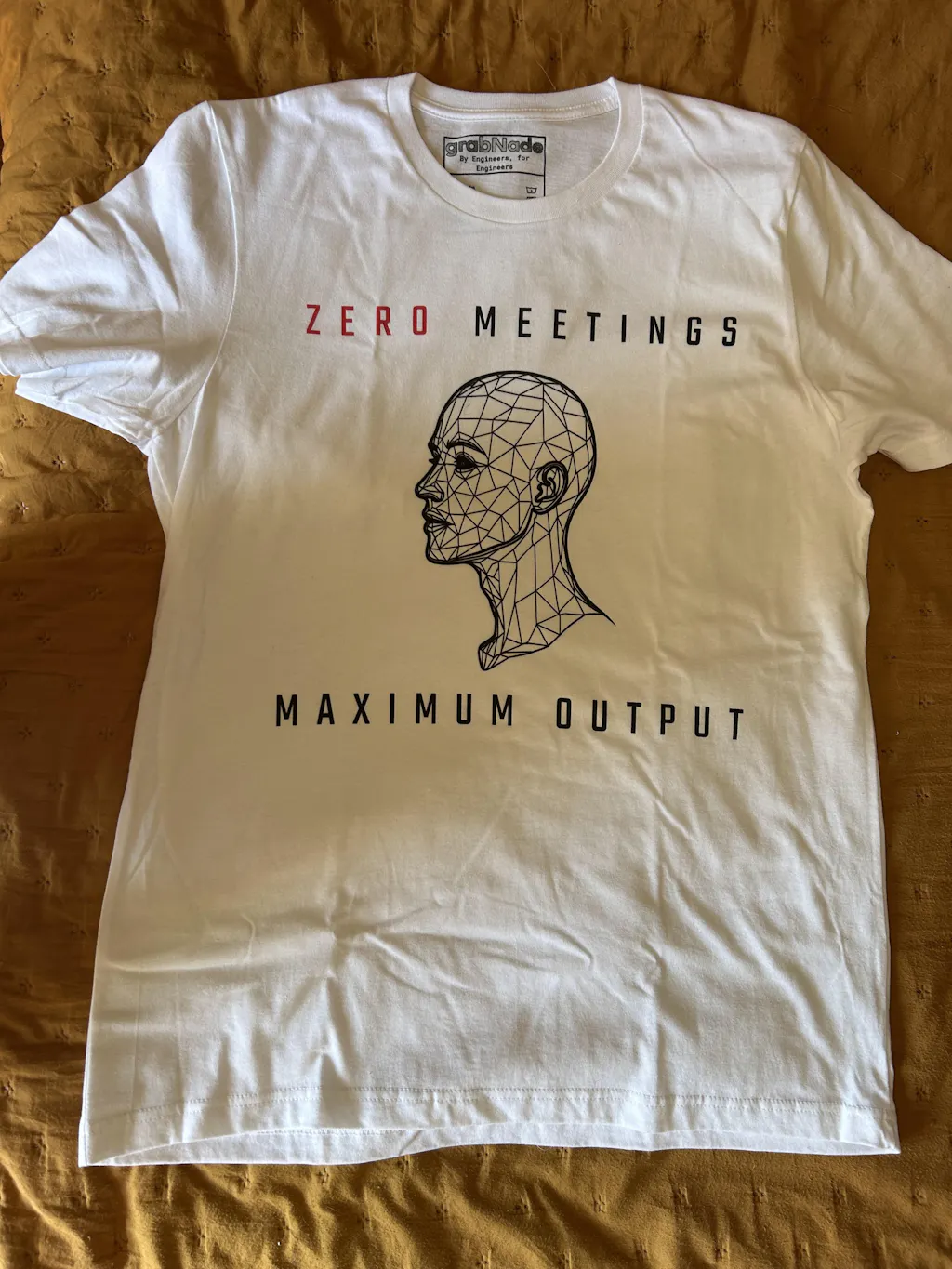
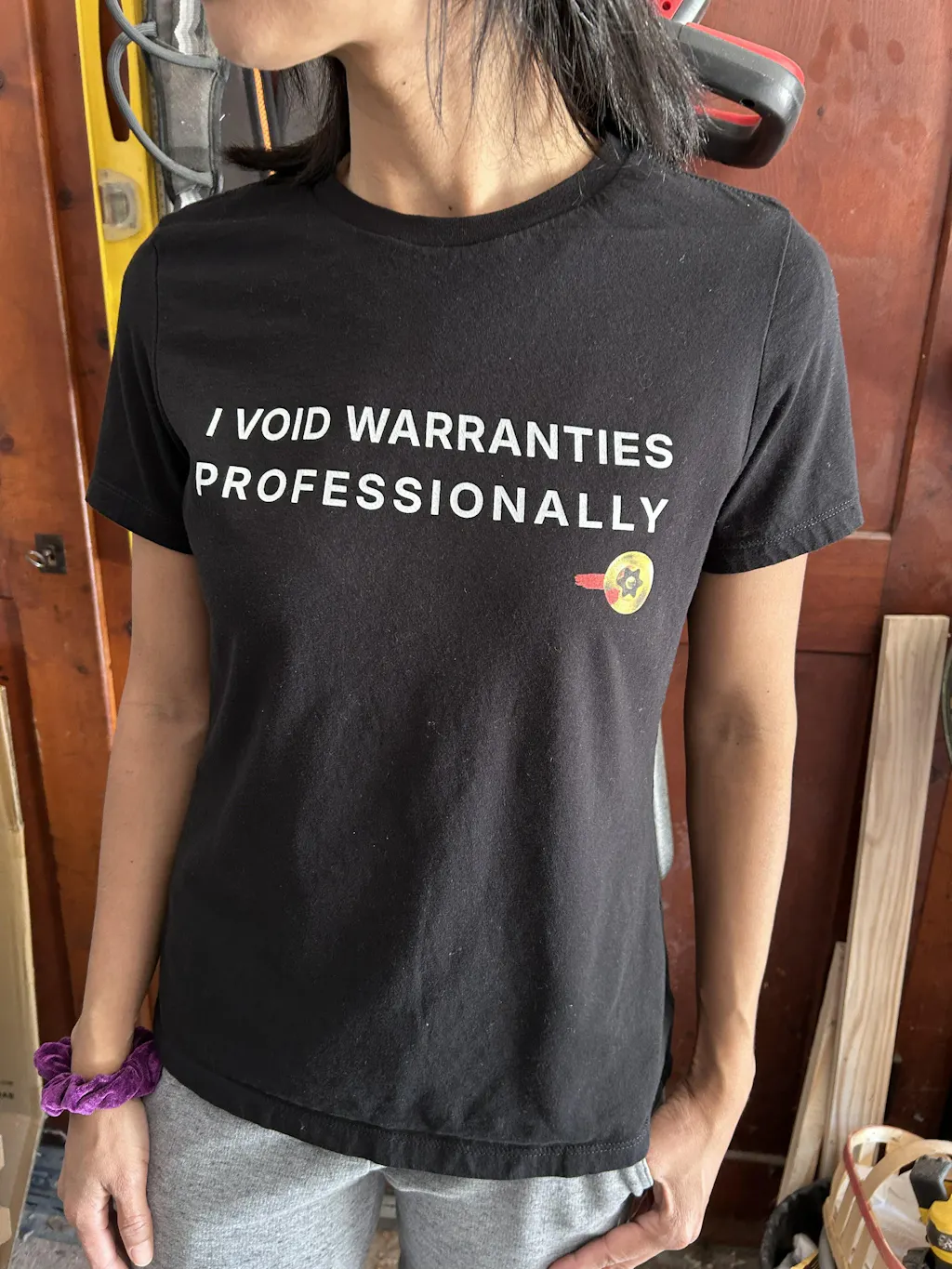
Subtilitet vinner oftast. En referens till tolerans, ackumulering eller trötthet från omdesign kan träffa hårdare än en gigantisk frontgrafik som skriker "INGENJÖR". Mindre brösttryck, återhållsamma rygggrafik och rena typografiska layouter tenderar att hålla bättre över tid eftersom de känns mer som riktiga kläder och mindre som konferensprylar.
Det betyder inte att varje design måste vara minimalistisk. Vissa koncept förtjänar en mer grafisk behandling, särskilt om konstverket återspeglar faktiska verktyg, system eller arbetsflöden. Men även då förblir de bästa designerna disciplinerade. Om varje visuellt element konkurrerar om uppmärksamheten börjar tröjan kännas som en skämtsida istället för något som är byggt för dagligt bruk.
Specificitet är det som ger tröjan värde. En textrad som refererar till designiteration, toleransanalys eller den ständiga förhandlingen mellan ideal geometri och produktionsverklighet kommer oftast att överträffa en generisk ingenjörsslogan. Ju snävare sanningen är, desto mer sannolikt är det att den känns verklig.
Passform, tyg och tryckkvalitet är viktigare än skämtet
En stark idé får klicket. Konstruktionen får den upprepade användningen.
Detta gäller särskilt för ingenjörer, eftersom denna publik tenderar att utvärdera produkter på samma sätt som de utvärderar verktyg eller komponenter. De kanske inte säger "handkänsla" först, men de vet när ett tyg känns billigt. De vet när sömmarna är inkonsekventa. De vet när ett tryck ligger som plast på ytan istället för att integreras väl med plagget.
För vardagsbruk spelar tygets vikt och blandning roll. Lättare tröjor kan kännas bra i varmare miljöer eller under lager, men de kan också avslöja dålig konstruktion snabbare. Mellantunga tyger hamnar oftast i den säkraste zonen för komfort och hållbarhet. Ringspunnen bomull tenderar att kännas renare än grova bas-t-shirts, medan bomull-polyesterblandningar ofta hjälper till med formhållning och mjukhet. Det beror på om köparen prioriterar struktur, andningsförmåga, krympkontroll eller en mer "ingången" känsla.
Tryckmetoden spelar också roll. En skarp design kan förstöras av suddiga detaljer, tungt bläck eller dålig registrering. Fina linjer, teknisk grafik och typografi behöver god utförande. Om referensen är precis men trycket är slarvigt skickar hela produkten fel budskap.
Passform är den andra delen som människor underskattar. En tröja kan ha det perfekta konceptet och ändå stanna i garderoben om skärningen är fel. Vissa köpare vill ha en standard retailpassform. Andra vill ha mer utrymme över bröstet och axlarna, särskilt om de tillbringar tid med att lyfta, bearbeta eller arbeta på golvet istället för att sitta vid ett skrivbord hela dagen. Att erbjuda alternativ är inte fluff. Det är grundläggande produktkänsla.
Köpa till dig själv vs köpa som present
De rätta t-shirtarna för maskiningenjörer förändras beroende på vem som köper.
Om du köper till dig själv är filtret oftast enkelt: skulle du faktiskt bära det i arbetsrelaterade miljöer, avslappnade fredagar, leverantörsbesök, en maskinverkstad, ett bryggeri efter en lång vecka, eller bara bland människor som känner till området? Den frågan sållar snabbt bort många dåliga designer. Om tröjan känns för påtvingad, för högljudd eller för generisk, kommer den inte att bäras.
Om du köper som present är jobbet annorlunda. Du försöker bevisa att du förstår personens värld utan att köpa något som känns som ett lat "ingenjörspresent"-sökresultat. I så fall innebär diskreta designer oftast mindre risk än bred humor. En tekniskt specifik tröja med rent utförande tenderar att tas emot bättre än en nyhetsgrafik byggd för maximal reaktion.
Det hjälper också att tänka på ingenjörens faktiska miljö. Någon inom FoU kan uppskatta en design centrerad kring testning, iteration eller felanalys. Någon närmare tillverkning kan känna mer igen sig i toleransproblem, tolkning av ritningar, fixturer, processdriften eller det eviga kriget mellan designintention och produktionsverklighet. Maskinteknik är inte en kultur. Den har subkulturer, och bra kläder respekterar det.
Varför äkthet är hela spelet
Denna kategori står och faller med trovärdighet. Det är skillnaden mellan merchandise och kläder.
När ett varumärke förstår arbetet blir referenserna skarpare. Humorn blir torrare. Designbesluten blir mer disciplinerade. Produktbeskrivningarna låter som om de skrivits av någon som har tillbringat tid runt maskiner, modeller, inspektioner och ändringsmeddelanden istället för någon som försöker återskapa kulturen från sökvolym.
Det är därför nischade ingenjörsmärken sticker ut när de gör det bra. GrabNade, till exempel, är mer begripligt för tekniska yrkesmänniskor eftersom perspektivet kommer från verklig erfarenhet, inte lånad estetik. Du kan känna den skillnaden i vad som refereras och vad som utelämnas.
Och vad som utelämnas spelar roll. Inte varje tröja behöver ett gigantiskt kugghjul. Inte varje skämt behöver vara uppenbart. Inte varje ingenjör vill bära något som tillkännager deras yrke från femtio fots avstånd. Ibland är den bästa designen den som bara de rätta personerna förstår.
Det är oftast den som är värd att köpa.
En bra ingenjörs-t-shirt ska kännas som ett rent tryck, en bra passform och en referens som inte behöver förklaras. Om den känns sann mot arbetet, kommer du att veta det innan du kontrollerar etiketten.