How to Buy Engineer Gifts That Aren’t Cringe
Dela
A coffee mug that says “Trust Me, I’m an Engineer” is not a gift. It is evidence that someone searched for an engineer gift, stopped at the first result, and called it done. If you are figuring out how to buy engineer gifts for someone who actually works in design, manufacturing, quality, R&D, or machining, the standard is higher. The gift should recognize what they do without making it sound like a middle-school science fair.
Working engineers tend to spot generic merchandise immediately. They know the difference between a reference written by someone who has spent time around drawings, tolerances, production problems, and corrective actions and one assembled from a list of STEM keywords. Buy for the work, the personality, and the environment where they spend their day. That is where useful gifts and genuinely funny ones overlap.
Start With Their Actual Engineering World
“Engineer” is broad enough to be nearly useless as a shopping category. A mechanical engineer who spends the week in CAD may appreciate different references than a quality engineer buried in CAPAs, an applications engineer on customer calls, or a machinist running parts against a print. The best gift starts with a little observation.
Listen for the recurring language. Do they mention root cause analysis, GD&T, toolpaths, surface finish, first articles, revision control, nonconformance reports, fixtures, or impossible tolerances? These are not just technical terms. They are signals of the culture they work in. A gift that catches one of those signals feels specific because it is specific.
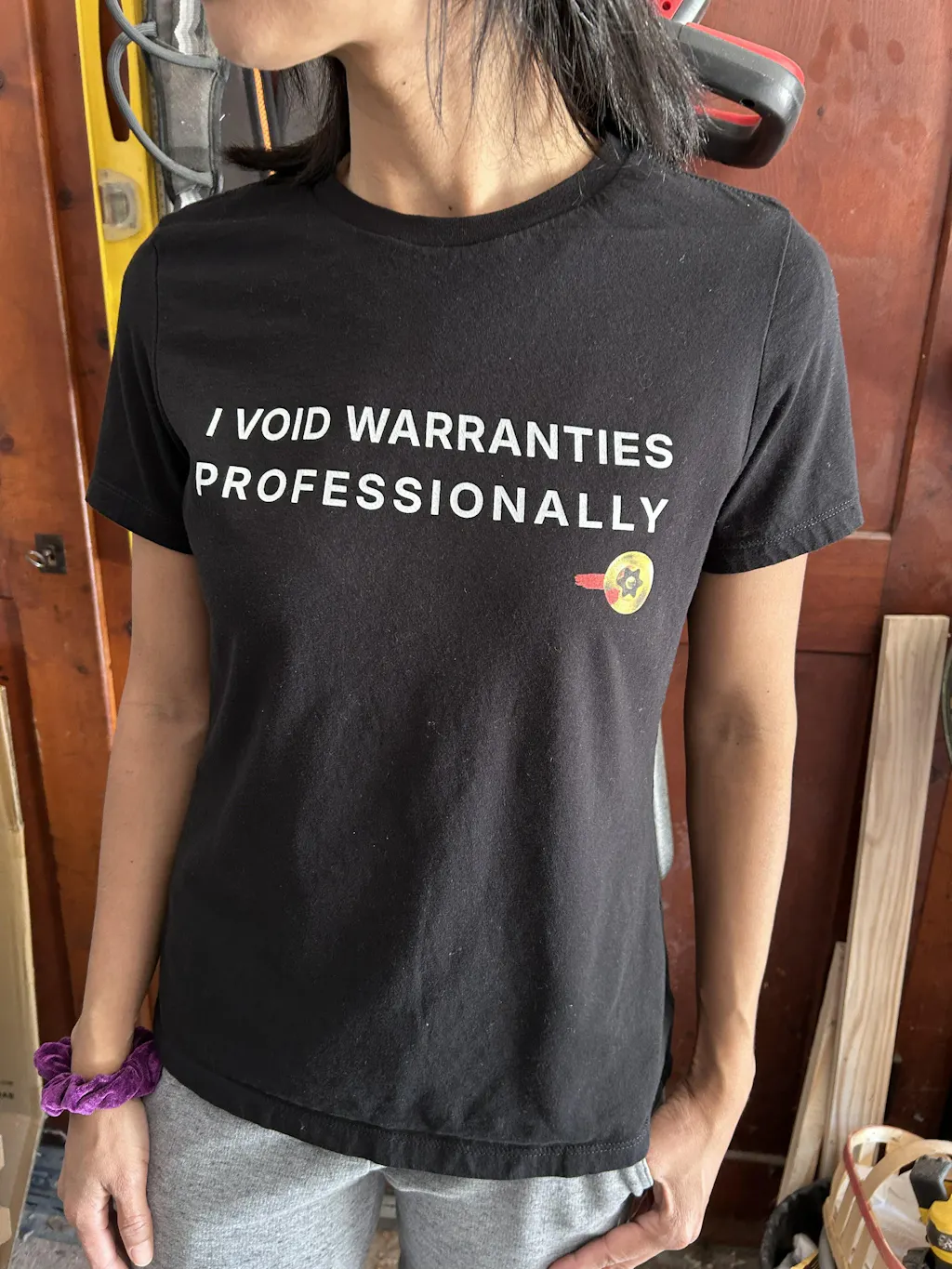
You do not need an engineering degree to do this well. Ask what kind of projects they work on, what part of the job tests their patience, or what their team jokes about. Their answer will tell you more than a generic “What do you want?” ever will. If they have strong opinions about a drawing callout, a shirt built around actual engineering language will land better than a novelty item covered in equations.
There is one exception: if you do not know their specialty at all, choose a cleaner design that speaks to engineering work habits rather than a hyper-specific technical reference. A subtle nod to iteration, design review, or making things work is safer than guessing the wrong discipline.
How to Buy Engineer Gifts With the Right Level of Insider Detail
The sweet spot is recognition, not homework. An engineer should see the design and get it in a second. They should not need to explain it to everyone in the room, and they should not feel like they are wearing a technical manual.
A good insider reference has three qualities. It is accurate enough to earn a knowing smile, concise enough to work visually, and restrained enough to be worn outside a conference booth or company picnic. The best designs make sense if you have been there. They do not need twelve lines of tiny text to prove their credentials.
This is why generic “I Pause My Game to Be Here” shirts usually miss. They could apply to anyone. The same goes for random gears, binary code, and science clip art when there is no real connection to the recipient’s work. Engineers do not reject humor. They reject low-effort humor pretending to be technical.
Consider the setting before choosing the design. For a colleague, mentor, manager, or team gift, dry and professional usually wins. A quality engineer may enjoy an understated CAPA or root-cause reference that reads as insider humor without turning a workplace shirt into a distraction. For a close friend or partner, you can go more pointed if you know their specific frustrations and sense of humor.
Check the Product Like an Engineer Would
The design earns the first look. The garment earns repeat wear. This matters because technically minded people often notice the details that novelty brands ignore: fabric weight, fit, print quality, shrinkage, collar shape, and whether the item still looks good after a few wash cycles.
For a daily-wear T-shirt, look for clear material information and a fit that matches how the recipient dresses. A soft, lightweight shirt can be ideal for an office, lab, or warm shop environment. A heavier tee has more structure and can feel more substantial, but it may not be the first choice for someone working around heat or moving all day. A hoodie makes more sense for a cold facility, weekend garage work, or a team that lives in layers.
Sizing is the most practical failure point in apparel gifts. If you can discreetly check the tag on a shirt they already like, do it. Do not assume that “large” means the same thing across every brand. Review the listed measurements when available, especially if the recipient is between sizes or prefers a relaxed fit. When in doubt, a gift option that allows an easy exchange is more useful than a dramatic sizing guess.
Color also affects whether the gift becomes part of their rotation. Black, charcoal, navy, and heather gray are safe for people who spend their days around coolant, dust, grease, prototypes, or shop floors. Lighter colors can work well in office and product-development settings, but they ask more of the wearer. Choose based on how they actually live, not on what looks best in a product photo.
Match the Gift to the Relationship
A gift for a partner can be personal. A gift for a coworker should be precise but measured. A gift for an entire engineering team needs enough range that nobody feels excluded.
For one person, buy around the reference they would make themselves. If they regularly complain about revision churn, impossible deadlines, or a part that should have been designed differently, a technically grounded design can feel uncannily well chosen. Add a hoodie or premium tee if you know they value clothing they can keep rather than wear once.
For a manager, mentor, or professional contact, avoid jokes that punch down at their department or imply they are incompetent. The goal is recognition, not an HR conversation. Quality-focused apparel, a clean engineering reference, or a practical item with a restrained design tends to fit the occasion.
For a team event, do not force one specialty’s humor onto every role. Manufacturing, quality, design, and R&D often share a building but not the same daily language. If everyone needs the same gift, select a broader engineering theme. If you can choose individual designs, let each person get the reference that fits their world.
Avoid the Most Common Engineer Gift Mistakes
The first mistake is buying for a stereotype instead of a person. Engineers are not a single category of introvert, gamer, math enthusiast, or robot collector. Many are builders, operators, problem-solvers, managers, parents, riders, runners, and people who simply want a shirt that does not look like a joke aisle purchase.
The second is treating technical references as decoration. A poorly used term can ruin an otherwise good idea. If a design mentions tolerances, machining, quality systems, or product development, it should be used correctly. Accuracy is part of the gift.
The third is overvaluing novelty and undervaluing use. A desk toy may be amusing for ten minutes. A well-made shirt with a reference they actually appreciate can become a regular part of their wardrobe. That is better return on gift budget, even if it is less flashy when opened.
Finally, do not assume expensive means thoughtful. A high-priced gadget with no connection to their work or interests can feel more random than a modest, well-chosen tee. Relevance beats price. Quality supports relevance.
When Apparel Is the Right Answer
Engineering apparel works particularly well when the recipient already wears graphic tees, hoodies, or work-casual layers. It is easy to give, useful in multiple settings, and personal without requiring you to guess at a tool, software license, or technical accessory they may already own.
The key is choosing clothing that respects the profession. Brands such as grabNade focus on references drawn from real machines, CAD work, quality systems, and manufacturing culture rather than generic STEM filler. That difference matters most to the people who have spent years solving problems nobody outside the building sees.
A good engineer gift does not need to announce itself across the room. It just needs to make the recipient think, “Finally, someone gets it.” Start with the work they know, choose something built to be worn, and let the detail do the talking.