Golv och CAD: Ett jobb, två helt olika verkligheter
Dela
Verkstad och CAD:
Ett jobb, två helt olika verkligheter
Det finns en version av ingenjörsjobbet som sker på en skärm. Parametriska modeller, monteringsbegränsningar, toleransstackar, 3D-geometri som du kan rotera, snitta och undersöka med ett musklicks hastighet. Återkopplingsslingan är snabb. Ångra-knappen finns. Materialet beter sig exakt som specificerat eftersom materialet är ett nummer i en egenskapsruta.
Det finns en annan version av samma jobb som sker på en verkstad. Maskiner som har egna åsikter. Material som läser databladet och bestämmer sig för att inte bry sig. Fixturer med ackumulerat slitage som inte fanns i modellen. Operatörer som hittade en lösning för sex månader sedan och glömde att nämna det. Fysiken gör exakt vad fysiken gör – vilket, pålitligt, inte riktigt är vad ritningen sa.
De flesta ingenjörer lever i den ena eller den andra världen. De som har tillbringat seriös tid i båda – år av modellering, år av idrifttagning, år av att stå bredvid en maskin och försöka förstå varför resultatet inte stämmer överens med ritningen – bär på en särskild typ av kunskap som är genuint svår att förvärva på något annat sätt. Detta är vad 15 år av att göra båda faktiskt producerar.
## 01. Vad CAD-världen lär dig
3D-modellering är inte ett ritverktyg. Det är det första den lär dig – vanligtvis genom att tvinga dig att lösa en konflikt mellan två komponenter som verkade vara okej i 2D och aktivt kolliderar i tre dimensioner. En CAD-ingenjör som arbetar med parametriska sammansättningar hanterar ständigt ett nät av beroenden: ändra en dimension uppströms, och kaskaden antingen löser sig rent eller bryter sex sammanfogningsfunktioner du inte förväntade dig att röra.
Den disciplin CAD ingjuter är disciplinen att tänka uppströms. Varje beslut får konsekvenser nedströms. Ett referensplan som placerats slarvigt i vecka ett blir ett ombearbetningsproblem i vecka åtta när designen utvecklas och modellstrukturen inte stödjer det. Bra 3D-modellering är, i grunden, bra systemtänkande tillämpat på geometri – och det tränar en ingenjör att se andra och tredje ordningens effekter innan de blir problem i metall.
Tekniska ritningar – planer – lägger till ett andra lager till detta. Att läsa och skriva GD&T-utrop, specifikationer för ytfinhet, toleransstrategier: detta är ett språk med strikt grammatik. Ett dåligt placerat referensram för datum, ett planhetsutrop tillämpat på fel funktion, en tolerans som är teoretiskt tillräckligt snäv men praktiskt omöjlig att inspektera – detta är de ritningsfel som kostar riktiga pengar när de når maskinen. Du lär dig inte att skriva bra planer utan att först lära dig att läsa dåliga.
Vem som helst kan lära sig att extrudera en skiss. Den verkliga skickligheten är modellarkitektur — att veta vilka referenser som ska användas, hur man strukturerar en sammanställning så att den överlever en större designförändring, hur man bygger en ritning som en maskinist kan läsa utan att ringa dig två gånger innan den första inställningen är klar.
Denna skicklighet tar år att utveckla. Den finns inte i programvaruhandledningen.
## 02. Vad verkstaden lär dig som CAD inte kan
Verkstaden lär dig ödmjukhet. Inte den performativa sorten – den strukturella sorten som kommer från att se en del du designat, validerat och godkänt bete sig felaktigt i produktionen av skäl som var osynliga i modellen.
Här är en delvis lista över saker som verkstaden lär ut som CAD fundamentalt inte kan:
- Materialanisotropi i praktiken: databladet ger dig sträckgräns, förlängning, hårdhet. Verkstaden visar dig hur just det partiet, från just den leverantören, just den dagen, beter sig under den faktiska belastningscykeln – vilket sällan är identiskt med simuleringsgränsvillkoren.
- Fixturdrift: fixturen validerades vid driftsättning. Den har sedan dess samlat på sig slitage, termiska cykler och de specifika mikrojusteringarna från varje operatör som har kört den. Modellen spårar inte fixturhistoriken. Delarna gör det.
- Operatörsvariabeln: två operatörer som kör samma process på samma maskin kan producera mätbart olika resultat. Modellen har ingen operatör. Verkstaden har inget annat än operatörer. Att förstå detta gap – och att designa processer som är robusta nog att överleva det – är en färdighet som bara utvecklas på verkstaden.
- Miljöfaktorer som inte kommer med i simuleringen: temperaturgradienter över en stor verktygsmaskin. Vibrationer från intilliggande utrustning. Fuktighet som påverkar en komposit härdningscykel. Dessa är verkliga, de påverkar resultatet, och de är systematiskt frånvarande från CAD-miljön.
- Hastigheten för verklig felsökning: i CAD kan du isolera ett problem i en modell och testa en lösning på några minuter. På en löpande produktionslinje har varje diagnostiskt steg en kostnad – i cykeltid, i skrot, i maskinstillestånd. Verkstaden lär dig att snabbare formulera bättre hypoteser, eftersom det är dyrt att ha fel.
## 03. Den kognitiva omställningen mellan världar
Att tillbringa en förmiddag med att granska en 3D-montering i CAD och en eftermiddag ståendes bredvid en maskin på produktionsgolvet är en genuin kontextväxling – inte bara en förändring av plats, utan en förändring av kognitivt läge. De mentala modellerna är olika. Återkopplingsslingorna är olika. Sanningens källor är olika.
- Geometri är per definition exakt
- Begränsningar är explicita och spårbara
- Fel upptäcks innan de blir materiella
- Ångra är alltid tillgängligt
- Modellen är auktoriteten
- Iterationshastighet: begränsad av tänkande
- Felläm: designfel, modellinstabilitet
- Geometri är till sin natur ungefärlig
- Orsaker är ofta implicita och dolda
- Fel visar sig endast som fysiskt resultat
- Att ångra kostar skrot, tid och trovärdighet
- Delen är auktoriteten
- Iterationshastighet: begränsad av produktion
- Felläm: processdrift, mänsklig variabilitet
Ingenjörerna som är genuint "farliga" – i den bästa bemärkelsen – är de som flytande kan verka i båda kolumnerna. De som tittar på en CAD-modell och redan förutser de problem som den kommer att orsaka på verkstadsgolvet. De som står bredvid en maskin och omedelbart översätter det de ser till det modelleringsbeslut som orsakade det. Den översättningen, i båda riktningarna, är den mest sällsynta och mest värdefulla färdigheten i yrket.
## 04. Specialmaskiner – där båda världarna kolliderar som hårdast
Standardkatalogsutrustning har en stor mängd kunskap bakom sig: underhållsmanualer, kända fellägen, forum fulla av människor som redan har stött på samma problem. Specialmaskiner – kundanpassade, unika, designade för en specifik process som inte finns någon annanstans – har inget av det. Varje driftsättning är en första gång. Varje felläge är en upptäckt.
Specialmaskinteknik är där gapet mellan CAD och verkstad är som mest akut, och där det är viktigast att stänga det. Maskinen modellerades. Den kinematiska beteendet simulerades. Den pneumatiska kretsen validerades på papper. Och sedan byggs maskinen, startas, och gör något som ingen förväntade sig – eftersom modellen gjorde antaganden som den fysiska världen inte hedrar.
Att hitta dessa delta-punkter – mellan vad modellen förutspådde och vad maskinen faktiskt gör – och systematiskt stänga dem är en process som kräver båda världarna samtidigt. Du måste förstå modellen tillräckligt väl för att veta vilket antagande som är fel, och du måste förstå maskinen tillräckligt väl för att veta vilken fysisk verklighet modellen misslyckades med att fånga. Det är inte en CAD-kunskap. Det är inte en verkstadsfärdighet. Det är färdigheten som existerar i skärningspunkten.
de är lika bekväma med en öppen laptop som med ett skjutmått i handen.
De lämnar inte över modellen till verkstaden och väntar på feedback.
De följer delen från ritning till första artikel och behandlar varje avvikelse
som data – inte som någon annans problem.
Det är inte en arbetsbeskrivning. Det är ett tankesätt.
## 05. Reglerade miljöer – när båda världarna måste vara perfekta samtidigt
I reglerad tillverkning – medicintekniska produkter, flyg- och rymdindustrin, farmaceutisk utrustning – blir klyftan mellan CAD och verkstad en efterlevnadsfråga, inte bara en kvalitetsfråga. Varje designbeslut har en spårbarhet. Varje avvikelse från den validerade processen måste dokumenteras, analyseras och antingen korrigeras eller motiveras. Modellen och den fysiska utgången måste överensstämma, och när de inte gör det är vägen tillbaka till överensstämmelse formell, strukturerad och granskbar.
Att arbeta under ISO 13485 eller FDA-regler under en längre tid förändrar hur du tänker om kopplingen mellan dokumentation och verklighet. Ritningen är inte bara en tillverkningsinstruktion – det är en specifikation som produkten är lagligt skyldig att uppfylla. Processvalideringen är inte bara en ingenjörsövning – det är ett påvisat bevis på att processen producerar överensstämmande resultat, konsekvent, under definierade förhållanden.
Det är här erfarenhet från både CAD och verkstad blir som mest värdefull. Ingenjören som bara har modellerat förstår specifikationen. Ingenjören som bara har kört produktion förstår processen. Ingenjören som har gjort båda förstår var de skiljer sig åt – och bygger både modellen och processen för att minimera den avvikelsen från början, snarare än att upptäcka den under valideringen.
## 06. Hur denna dubbla kompetens ser ut i praktiken
Konkret tänker ingenjören som har tillbringat seriös tid i båda världarna annorlunda om vissa kategorier av problem:
- Toleransspecifikation: inte bara "vad behöver det funktionella kravet?" utan "vad kan processen faktiskt hålla, konsekvent, över operatörer och över skift?" En CAD-ingenjör optimerar för funktion. En verkstadsingenjör optimerar för tillverkningsbarhet. Ingenjören med dubbel kompetens känner till gapet mellan de två och förhandlar om det explicit.
- Ritningsgranskning: att läsa en teknisk ritning och samtidigt fråga "är detta maskinbearbetbart?", "är detta inspekterbart med tillgängliga mätverktyg?", "gör detta GD&T-schema inställningen enkel eller mardrömslik?" Dessa är verkstadsfrågor som endast gäller CAD-resultat – och du vet bara att du ska ställa dem om du har varit på båda sidor av överlämningen.
- Grundorsaksanalys: när en del misslyckas i första artikeln går ingenjören med verkstadserfarenhet till maskinen först. Ingenjören med CAD-erfarenhet går till modellen först. Den som har båda går till gränssnittet – punkten där modellen mötte maskinen, och där skillnaden introducerades. Det är nästan alltid där grundorsaken finns.
- Design för tillverkning: verklig DFM är inte en checklista som tillämpas i slutet av designfasen. Det är en kontinuerlig begränsning av designbeslut, från första skiss till slutlig ritning, driven av direkt kunskap om vad verkstaden kan och inte kan göra. Du kan inte fejka den kunskapen. Du måste ha varit där.
## 07. Erfarenheten som grabNade bygger på
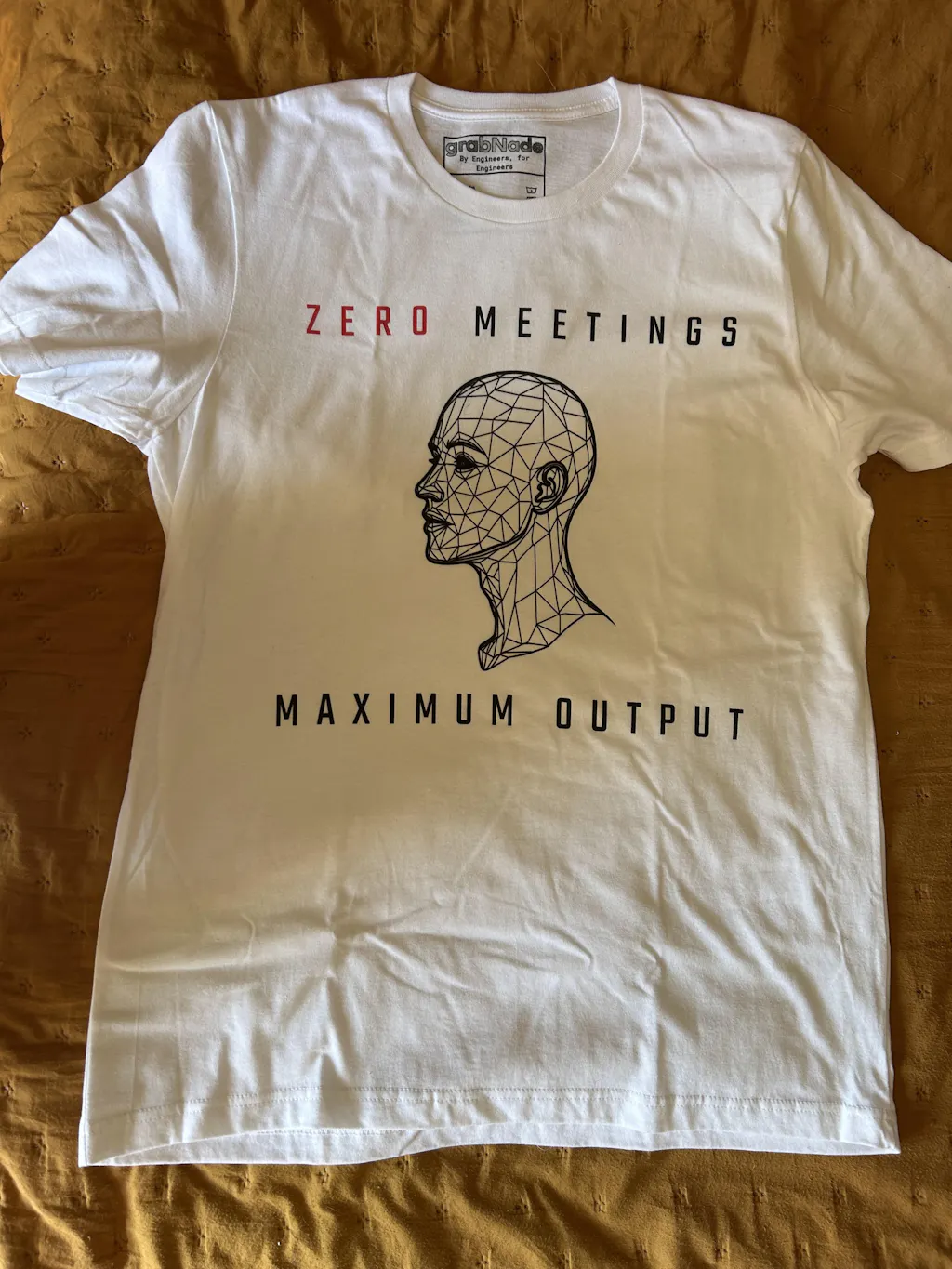
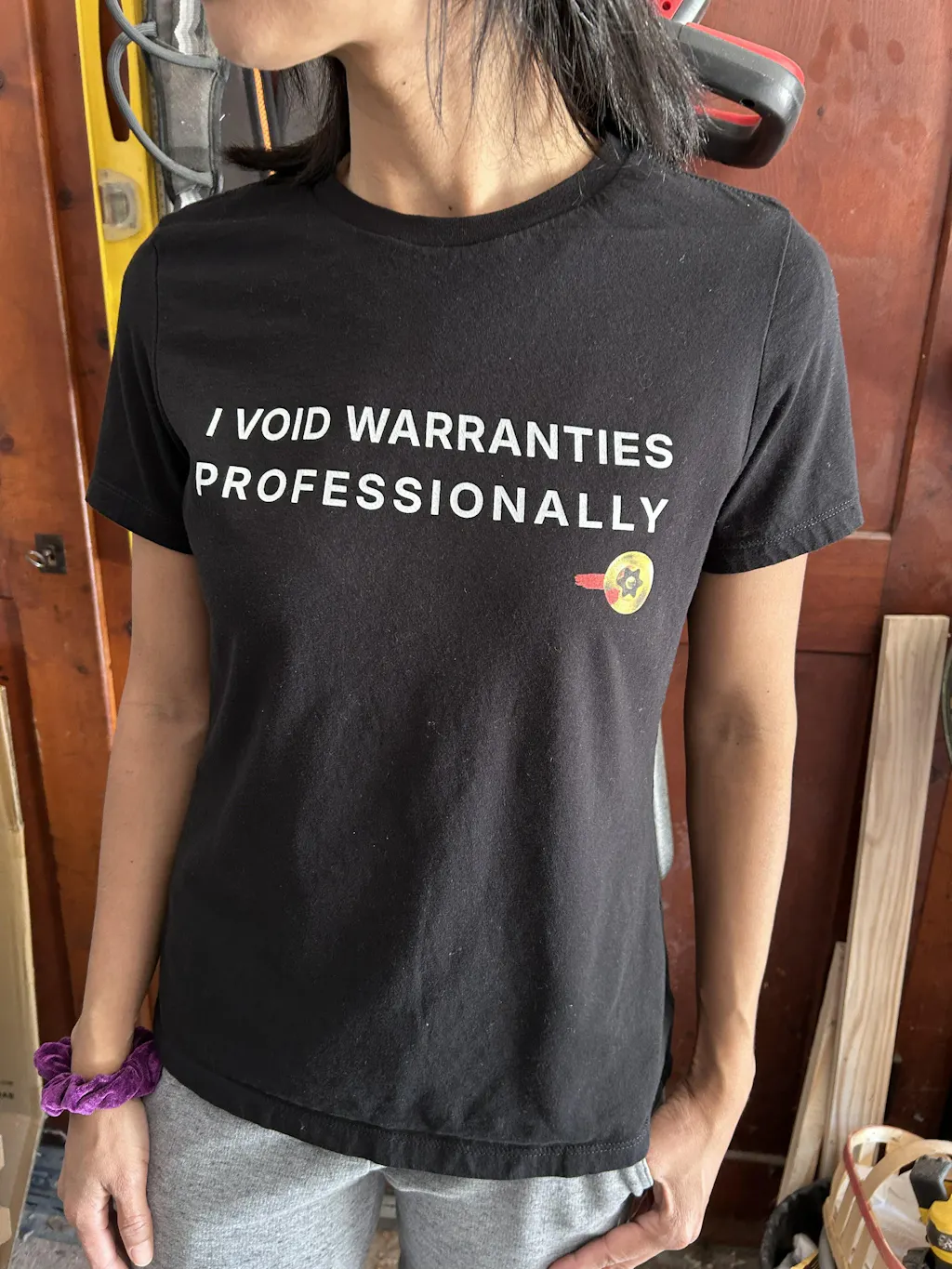
Detta är det direkta sammanhanget bakom grabNade. Inte ingenjörskonst som ett koncept eller en estetik – ingenjörskonst som 15 år av att flytta mellan skärmen och verkstadsgolvet. Modellera sammansättningar som måste byggas och valideras. Skriva planer som maskinister måste kunna använda utan ett telefonsamtal. Idrifttaga specialmaskiner som inte fanns i någon manual. Felsöka fel i reglerade miljöer där "vi är inte säkra på vad som hände" inte är ett acceptabelt avslutningsvillkor.
Den erfarenheten är källmaterialet för varje design. Ordvalet är korrekt eftersom det kommer från någon som använde det. Referenserna träffar rätt eftersom de är byggda på verkliga situationer – inte från att söka "t-shirtidéer för maskiningenjörer" och tillämpa resultaten.
Ingenjörskläder gjorda inifrån ser annorlunda ut än ingenjörskläder gjorda utifrån. Skillnaden är densamma som skillnaden mellan en ritning skriven av någon som har stått bredvid maskinen och en skriven av någon som inte har det. Det tränade ögat uppfattar det omedelbart. Delen bekräftar det antingen eller inte.
// grabnade.com · ingenjörskläder
Tillverkad från båda världarna.
15 år på verkstadsgolvet. 15 år inom CAD.Ingenjörskläder byggda på direkt erfarenhet – inte från en brief.
För mekaniska, tillverknings- och industriingenjörer som vet skillnaden.
Om du känner någon som lever i båda världarna – eller om den personen är du – så är det här kollektionen som byggdes för just den profilen. Inga genvägar. Inget generiskt. Bara referensen som låter rätt, gjord av någon som var där.